HVOF-processed coatings are chemically inhomogeneous and are not metallurgically bonded to the substrate. As a result, components coated with HVOF experience considerable material degradation during sliding wear. Microwave hybrid heating (MHH) is a novel surface modification technique for modifying the as-sprayed properties of the coating. Hence, this paper investigates and compares the wear and frictional behavior of HVOF as-sprayed coatings against MHH samples of WC-CrC-Ni and WC-Co/NiCrFeSiB coatings at elevated temperatures. MHH had a significant impact on wear rate and coefficient of friction by optimizing the porosity, integrated oxide phases and intersplat cohesion strength of the coatings. A modified domestic oven was used to perform MHH on HVOF-coated samples for 5 min at 1200 °C. Wear tests were performed using a pin-on-disk tribometer from room temperature to 200, 400, and 600 °C with Al2O3 disk as a counterface. SEM/EDS and XRD were utilized to examine the microstructural characterization of the coatings and substrate. Both the coatings showed higher wear resistance than the substrate at all temperatures. The WC-Co/NiCrFeSiB coating produced an oxide layer on the worn surfaces and integrated WC, CoWO4, and Fe2SiO4 splats, enhancing wear resistance. The MHH WC-CrC-Ni coating formed Cr2O3 and NiWO4 phases on the worn surfaces, increasing the intersplat cohesion strength between matrix and carbide splats, lowering the overall wear rate. After MHH, the wear rate of a substrate and WC-CrC-Ni coating was 3.5 and 1.12 times more at room temperature and 8.07 and 2.92 times more at 600 °C than WC-Co/NiCrFeSiB coating.
周老师: 13321314106
王老师: 17793132604


邮箱号码: lub@licp.cas.cn





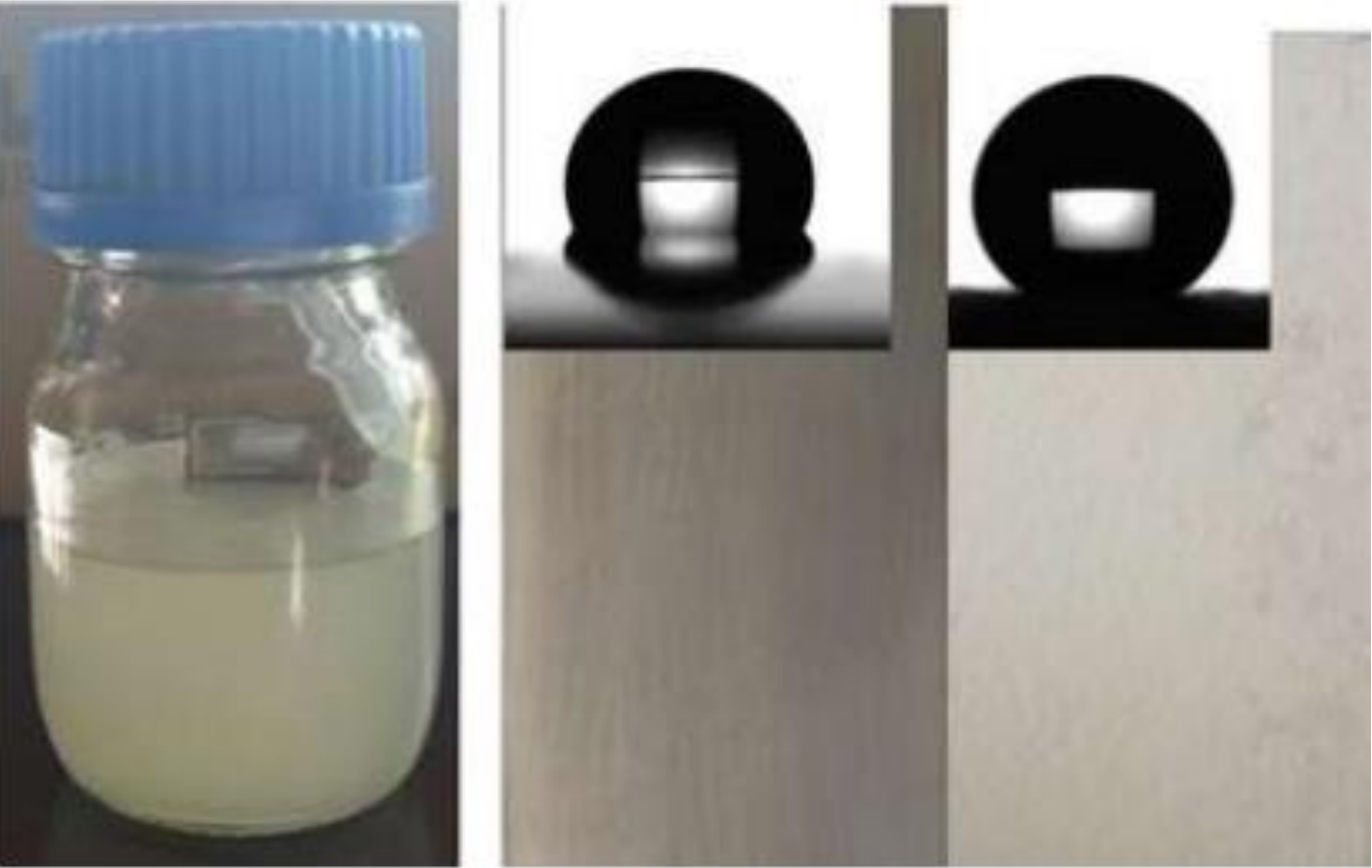
 润滑剂
润滑剂
 润滑油添加剂
 自润滑材料
自润滑材料
 密封材料
密封材料
 新兴材料
新兴材料
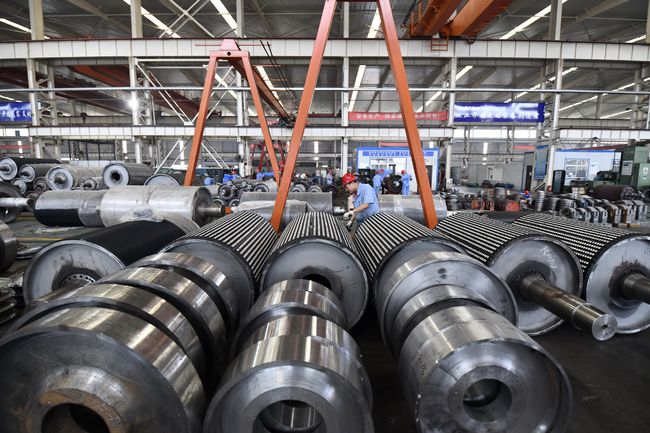 加工设备
加工设备
 摩擦试验机
摩擦试验机
 大型表征仪器
 小型测试设备