Highlights •NiCrBSi-ZrB2 powder and coatings were prepared successfully. •CrB phase was formed in the liquid phase contact zone of NiCrBSi and ZrB2. •Composite coating added with 40%ZrB2 obtained the low wear rate at 700 °C. •The fit hardness gradient of matrix and ceramic phases reduced coating peeling. •ZrB2 and CrB act as skeletons reducing the deformation of the load contact area. Abstract This paper presented a novel study of the preparation of ZrB2-enhanced NiCrBSi coatings and its microstructure and tribological properties. NiCrBSi-ZrB2 composite powder and coatings with ZrB2 contents of 20 %, 40 %, and 50 % were prepared by spray-drying and high-velocity oxygen-fuel (HVOF) spraying, respectively. The microstructure and high-temperature wear performance at 700 °C were compared with those of an NiCrBSi coating. The results showed that the NiCrBSi and ZrB2 powder exhibited good wetting properties in the solid-liquid sintering zone and the CrB phase was formed in the liquid phase contact zone in composite coatings with ZrB2 contents of 20 % and 40 %, while the CrB phase disappeared in the 50 %ZrB2 coating due to the pinning effect caused by excessive ZrB2. The microhardness of composite coatings tended to increase, then decrease, and the 40%ZrB2 coating reached a maximum hardness of 874 HV. The NiCrBSi coating presented oxidative wear and adhesive wear. Although the fracture toughness of composite coatings was lower than that of the NiCrBSi coating, the wear resistance in the composite coating was significantly enhanced due to the evenly distributed ZrB2 and CrB phases. The 20%ZrB2 coating with low fracture toughness and the 50 %ZrB2 coating with hardness mismatch caused by the absence of CrB produced severe abrasive wear. The hardness gradient with the matrix, ZrB2 and CrB phases reduced abrasive wear caused by peeling in 40%ZrB2 coating, and the ceramic phases acted as skeletons reducing the deformation of the load contact area. The formation of Cr2O3 during the friction process further improved the wear resistance. The wear mechanism of 40%ZrB2 coating underwent light adhesive wear, mild abrasive wear and oxidative wear, and the coating exhibited the best wear resistance with the lowest wear rate of 1.16 × 10⁻¹³ m3/N·m (a decreased of 56 %).
周老师: 13321314106
王老师: 17793132604


邮箱号码: lub@licp.cas.cn




 润滑剂
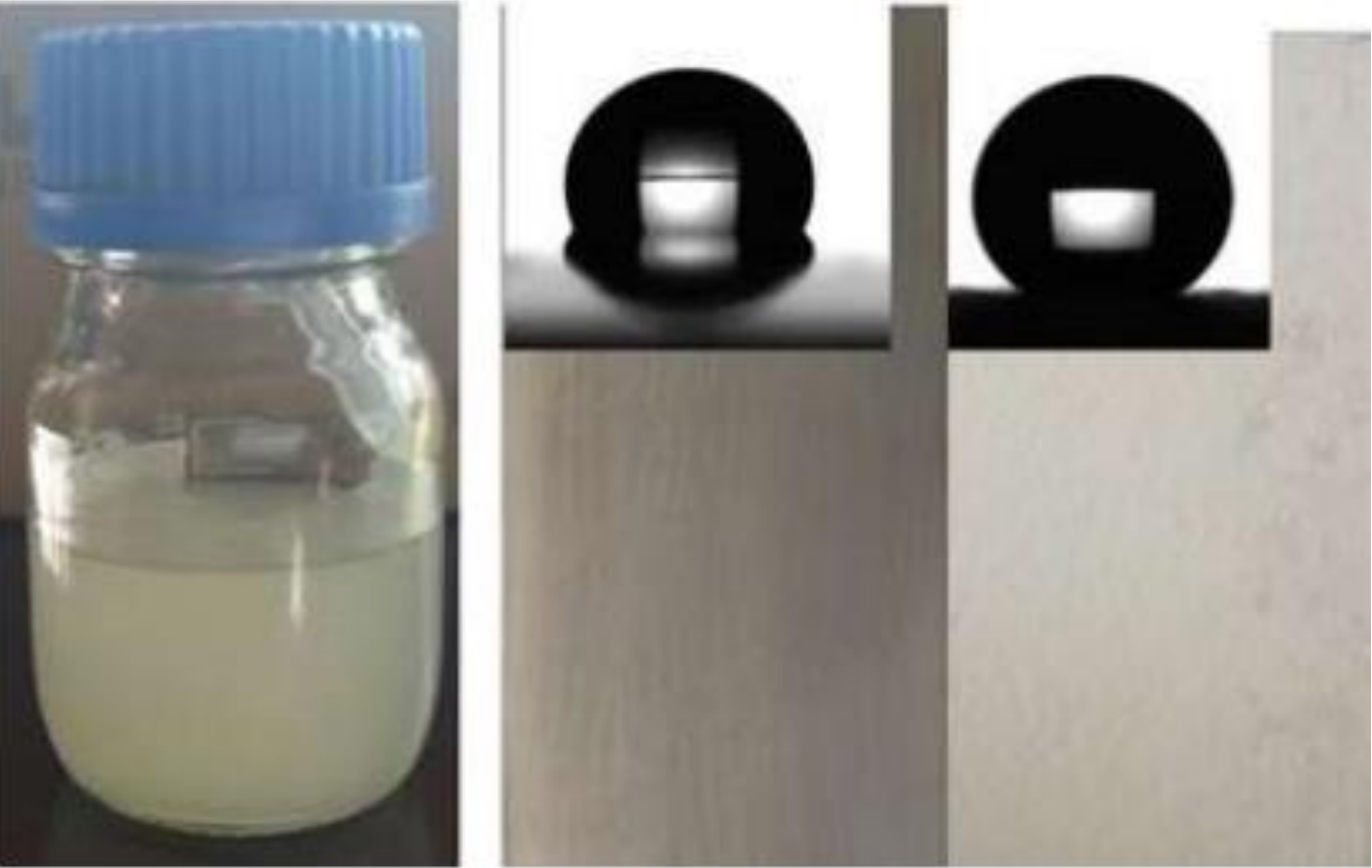
润滑剂
 润滑油添加剂
 自润滑材料
自润滑材料
 密封材料
密封材料
 新兴材料
新兴材料
 加工设备
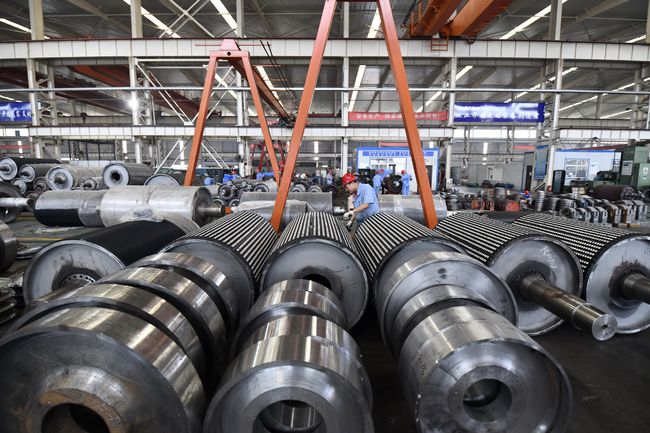
加工设备
 摩擦试验机
摩擦试验机
 大型表征仪器
 小型测试设备