A proper description of ply-ply friction is essential for the simulation of thermoplastic composite forming processes. The friction response from characterization experiments typically shows a peak followed by a steady-state shear stress. The rate-dependency of the peak and steady-state shear stress can be predicted by considering shear flow and wall slip effects. In this study, we investigated the temperature- and pressure-dependency of the peak and steady-state friction. The friction decreased slightly with increasing temperature, which was predicted by the shear flow model when including the temperature-dependency of the matrix viscosity. Further, the normal pressure was found to govern the onset of wall slip. A high pressure suppresses wall slip, increasing the steady-state friction. This effect was successfully modeled by including a pressure-sensitive critical shear stress for the onset of wall slip.
周老师: 13321314106
王老师: 17793132604


邮箱号码: lub@licp.cas.cn





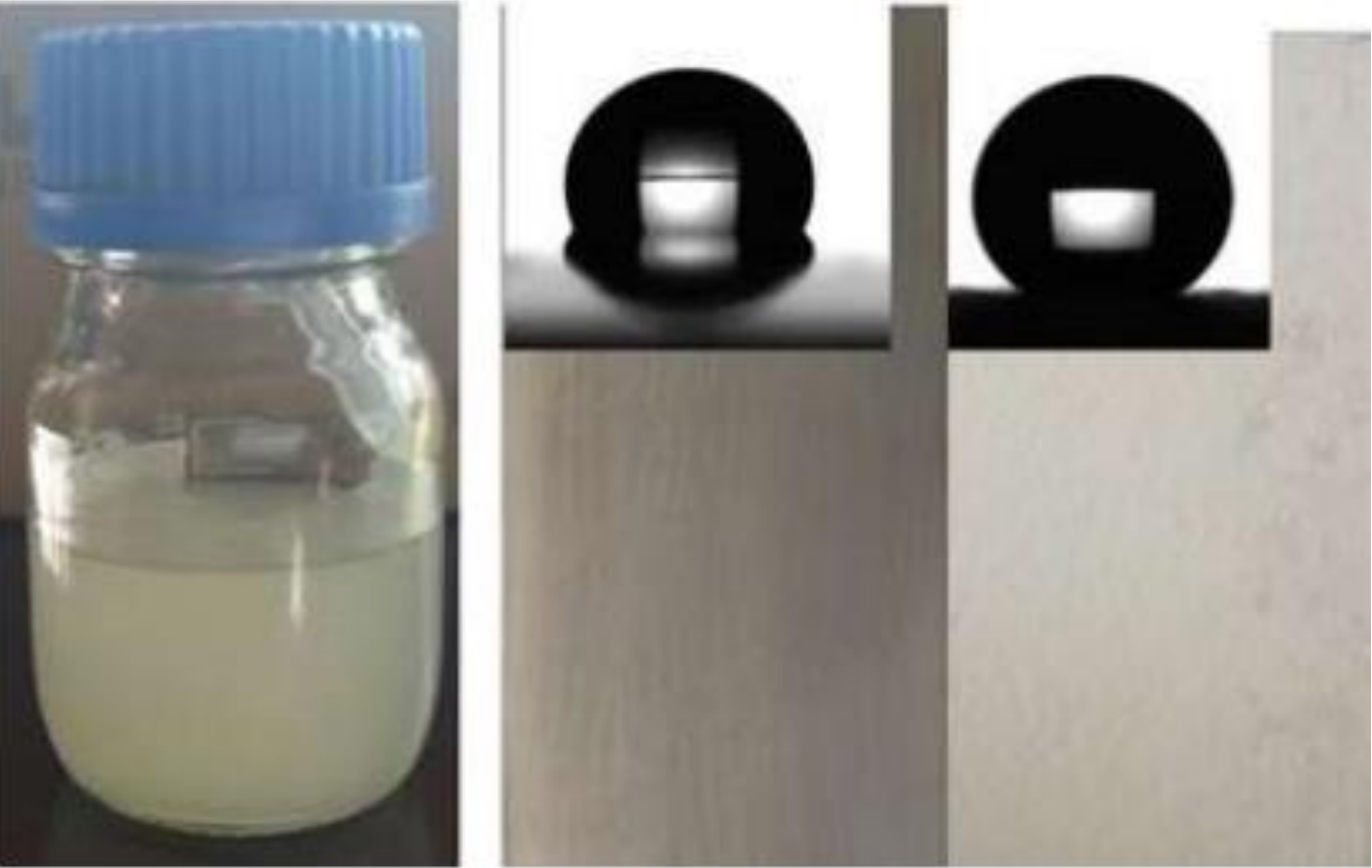
 润滑剂
润滑剂
 润滑油添加剂
 自润滑材料
自润滑材料
 密封材料
密封材料
 新兴材料
新兴材料
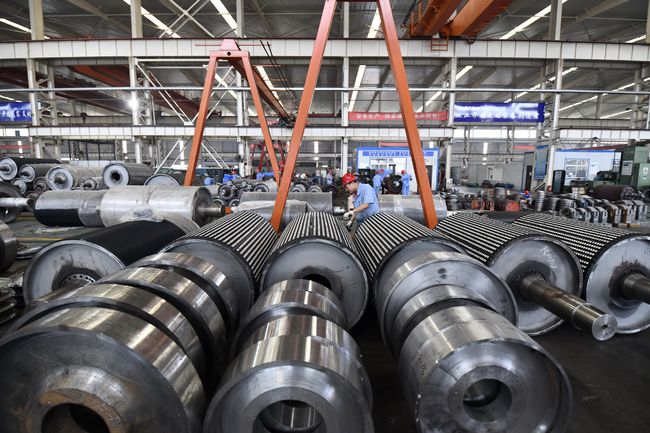 加工设备
加工设备
 摩擦试验机
摩擦试验机
 大型表征仪器
 小型测试设备