Abstract The exclusion of systems supplying the lubricant from the outside makes it necessary to replace traditional sliding pairs with materials containing a lubricant component. Such solutions are carried out to prevent the formation of material tacks and, consequently, of adhesive wear, which must be avoided. The article presents the influence of research factors and parameters of Al 2O 3 layer production on tribological and microstructural properties. The input variables for the tests were the admixture of WS 2 to the electrolyte, the type of sputtering of the samples for SEM tests, and the load on the oxide coating—TG15 material friction node. The surface morphology and cross- of the oxide coatings as well as the tribological properties of the rubbing pair have been studied. Interactions between the input variables and the obtained test results have been analyzed using DOE—a 2 k factorial design with one repetition. Pareto charts and two-way ANOVA were used to determine the relationship. The analysis of variance shows the influence of sample preparation on the calculation values of the size of nanopores and Al 2O 3 walls on the SEM image. Statistical analyzes also show that both the load and the type of electrolyte affected the values of the coefficient of friction and wear of the TG15 material; those values are the result of appropriate adhesion of the sliding film to the surface of the layer. Keywords: Al2O3; modification; tribology; microstructure; DOE
周老师: 13321314106
王老师: 17793132604


邮箱号码: lub@licp.cas.cn




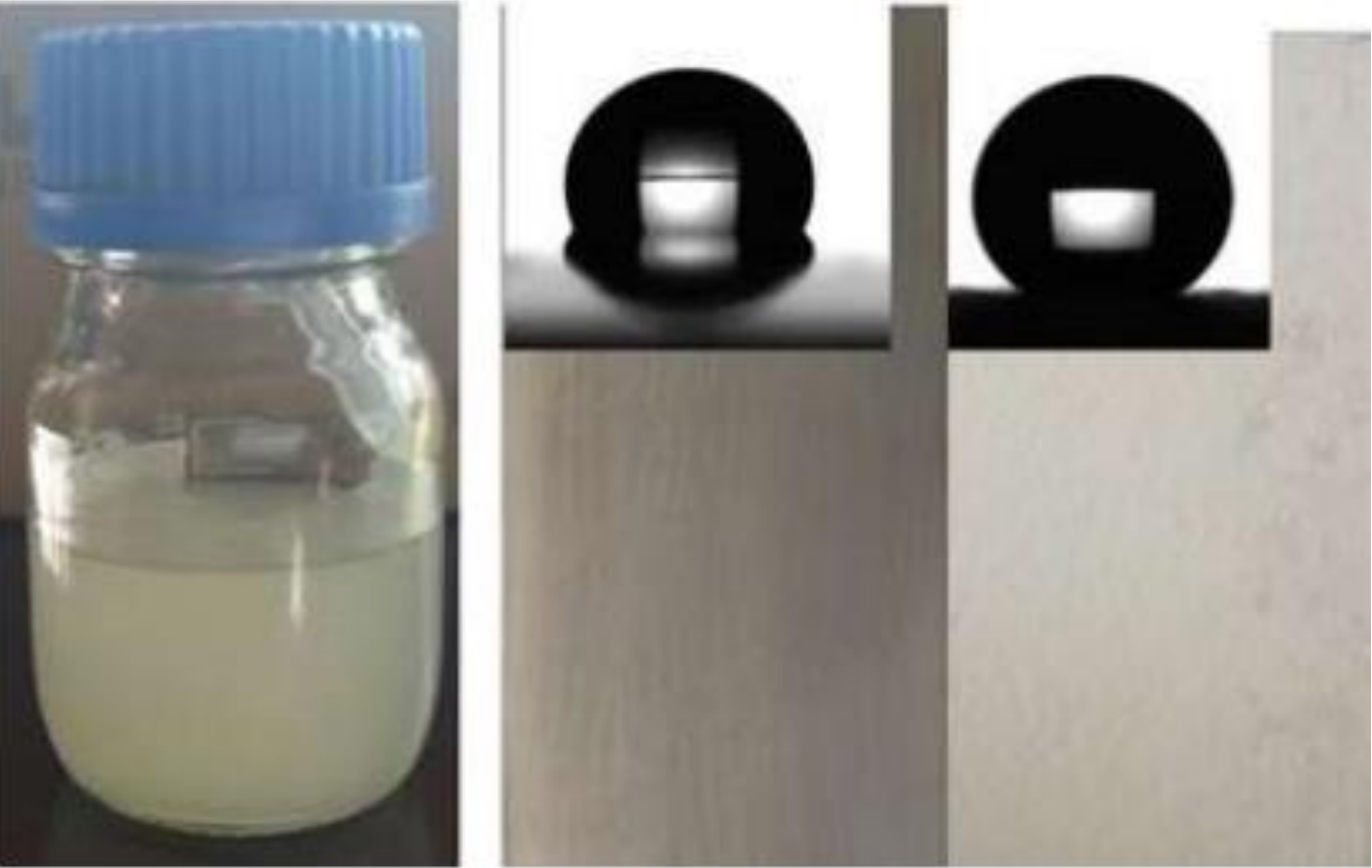
 润滑剂
润滑剂
 润滑油添加剂
 自润滑材料
自润滑材料
 密封材料
密封材料
 新兴材料
新兴材料
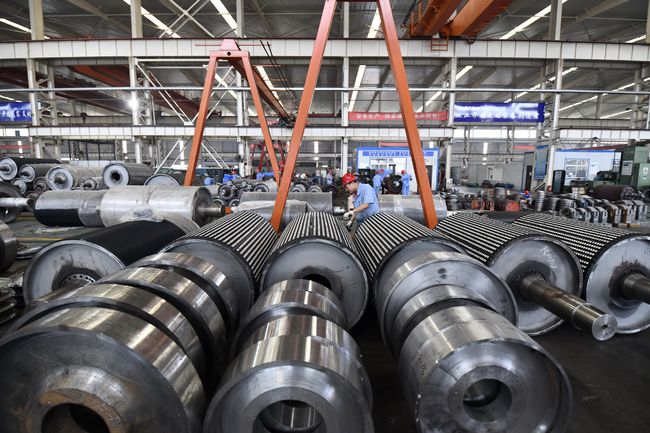 加工设备
加工设备
 摩擦试验机
摩擦试验机
 大型表征仪器
 小型测试设备