Abstract Stainless steel (SS316L) and titanium alloy (Ti6Al4V) exhibit suitable properties for biomedical applications; however, the tribocorrosion of these materials, which is associated with metallosis, is still a significant concern. This work investigates the effectiveness of DLC smoothing coatings applied to the metals to reduce tribocorrosion and improve cell viability. The study was motivated by many reports of metallosis caused by metal debris in the soft tissues of the body. DLC coatings were produced using the plasma-enhanced chemical vapor deposition (PECVD) technique. The cytotoxicity, genotoxicity, and cell viability of metallic samples with and without DLC coatings were analyzed, considering the chemical composition of the coating and metallic components. The results show that the DLC coatings presented suitable interaction properties and no cytotoxicity or genotoxicity when exposed to the cellular environment, compared with the control group ( p < 0.0001). They also demonstrated cell viability, low friction representing a reduction of 80%, and hardness 23–26 GPa, making them ideal for use on fixed implants. It is necessary to control the thickness and roughness of the coating to avoid pinholes and increase the corrosion protection of implants. These DLC coatings with low friction coefficients could facilitate the fixation of implantable pins and screws, including Kirschner wires. Keywords: cell viability; cytotoxicity; DLC coating; genotoxicity; tribocorrosion; Ti6Al4V; SS316L Abstract Stainless steel (SS316L) and titanium alloy (Ti6Al4V) exhibit suitable properties for biomedical applications; however, the tribocorrosion of these materials, which is associated with metallosis, is still a significant concern. This work investigates the effectiveness of DLC smoothing coatings applied to the metals to reduce tribocorrosion and improve cell viability. The study was motivated by many reports of metallosis caused by metal debris in the soft tissues of the body. DLC coatings were produced using the plasma-enhanced chemical vapor deposition (PECVD) technique. The cytotoxicity, genotoxicity, and cell viability of metallic samples with and without DLC coatings were analyzed, considering the chemical composition of the coating and metallic components. The results show that the DLC coatings presented suitable interaction properties and no cytotoxicity or genotoxicity when exposed to the cellular environment, compared with the control group ( p < 0.0001). They also demonstrated cell viability, low friction representing a reduction of 80%, and hardness 23–26 GPa, making them ideal for use on fixed implants. It is necessary to control the thickness and roughness of the coating to avoid pinholes and increase the corrosion protection of implants. These DLC coatings with low friction coefficients could facilitate the fixation of implantable pins and screws, including Kirschner wires. Keywords: cell viability; cytotoxicity; DLC coating; genotoxicity; tribocorrosion; Ti6Al4V; SS316L Abstract Stainless steel (SS316L) and titanium alloy (Ti6Al4V) exhibit suitable properties for biomedical applications; however, the tribocorrosion of these materials, which is associated with metallosis, is still a significant concern. This work investigates the effectiveness of DLC smoothing coatings applied to the metals to reduce tribocorrosion and improve cell viability. The study was motivated by many reports of metallosis caused by metal debris in the soft tissues of the body. DLC coatings were produced using the plasma-enhanced chemical vapor deposition (PECVD) technique. The cytotoxicity, genotoxicity, and cell viability of metallic samples with and without DLC coatings were analyzed, considering the chemical composition of the coating and metallic components. The results show that the DLC coatings presented suitable interaction properties and no cytotoxicity or genotoxicity when exposed to the cellular environment, compared with the control group ( p < 0.0001). They also demonstrated cell viability, low friction representing a reduction of 80%, and hardness 23–26 GPa, making them ideal for use on fixed implants. It is necessary to control the thickness and roughness of the coating to avoid pinholes and increase the corrosion protection of implants. These DLC coatings with low friction coefficients could facilitate the fixation of implantable pins and screws, including Kirschner wires. Keywords: cell viability; cytotoxicity; DLC coating; genotoxicity; tribocorrosion; Ti6Al4V; SS316L Stainless steel (SS316L) and titanium alloy (Ti6Al4V) exhibit suitable properties for biomedical applications; however, the tribocorrosion of these materials, which is associated with metallosis, is still a significant concern. This work investigates the effectiveness of DLC smoothing coatings applied to the metals to reduce tribocorrosion and improve cell viability. The study was motivated by many reports of metallosis caused by metal debris in the soft tissues of the body. DLC coatings were produced using the plasma-enhanced chemical vapor deposition (PECVD) technique. The cytotoxicity, genotoxicity, and cell viability of metallic samples with and without DLC coatings were analyzed, considering the chemical composition of the coating and metallic components. The results show that the DLC coatings presented suitable interaction properties and no cytotoxicity or genotoxicity when exposed to the cellular environment, compared with the control group ( p < 0.0001). They also demonstrated cell viability, low friction representing a reduction of 80%, and hardness 23–26 GPa, making them ideal for use on fixed implants. It is necessary to control the thickness and roughness of the coating to avoid pinholes and increase the corrosion protection of implants. These DLC coatings with low friction coefficients could facilitate the fixation of implantable pins and screws, including Kirschner wires. Keywords: cell viability; cytotoxicity; DLC coating; genotoxicity; tribocorrosion; Ti6Al4V; SS316L Keywords: cell viability; cytotoxicity; DLC coating; genotoxicity; tribocorrosion; Ti6Al4V; SS316L Keywords:
周老师: 13321314106
王老师: 17793132604


邮箱号码: lub@licp.cas.cn




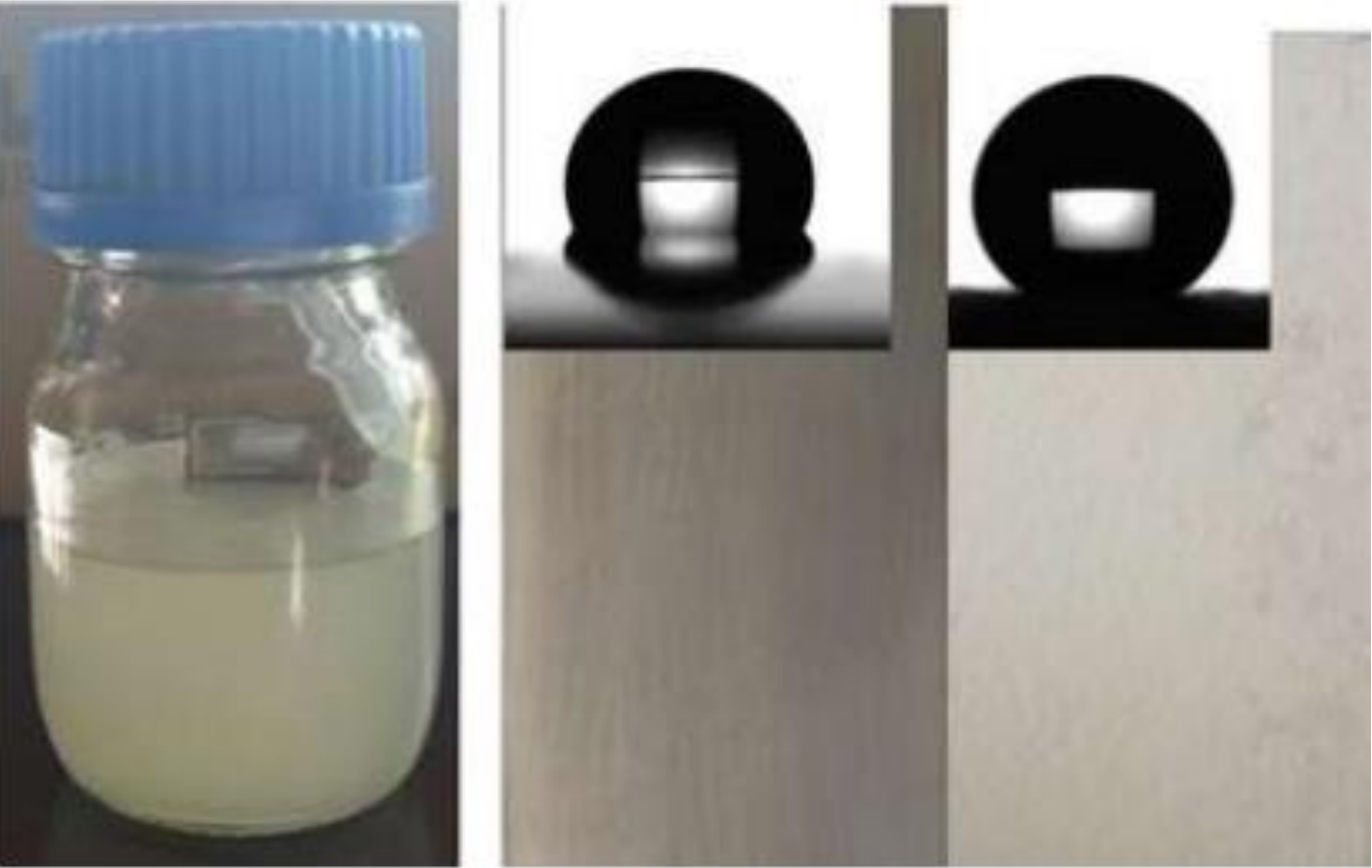
 润滑剂
润滑剂
 润滑油添加剂
 自润滑材料
自润滑材料
 密封材料
密封材料
 新兴材料
新兴材料
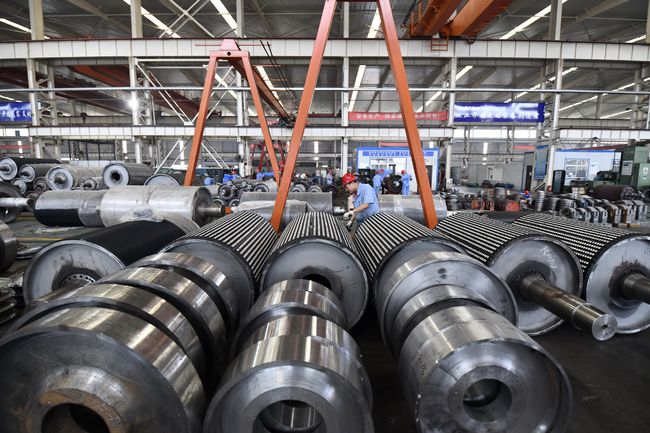 加工设备
加工设备
 摩擦试验机
摩擦试验机
 大型表征仪器
 小型测试设备