Unlike many other surface treatment techniques, such as Shot Peening (SP), low plasticity burnishing (LPB), ultrasonic surface rolling process (USRP), ultrasonic nanocrystal surface modification (UNSM), Laser Shock Peening (LSP) is a non-contact process. This means that LSP achieves surface modification without direct physical contact and thus eliminates the risk of media contamination and undesired wear on the peening equipment. As a surface hardening technology, LSP tends to produce a hardened layer with a high gradient of residual stress (RS) in the near-surface, which has a great impact on wear resistance. The well-known wear theories applied for numerical prediction, whether Archard model or dissipated frictional-energy model, contain a multiplier for contact pressure and relative slip amplitude p∙ds" role="presentation"> p ∙ ds or shear stress and relative slip amplitude q∙ds" role="presentation"> q ∙ ds , respectively. These multipliers are sensitive to the mechanical properties near the surface. Besides, the wear profile is not only governed by the wear effect, but also the deformation of materials. Therefore, to accurately evaluate the wear performance for surface-hardened materials, the influence of RS is hard to ignore. In this work, the Finite Element Method (FEM) is utilized to build a 3D numerical model for as-received and LSP-treated samples, which ignores and considers RS, respectively. Two distinct RS distributions induced by different scanning strategies (one- and five-time) are introduced in the finite element (FE) model. The numerical simulation results are then compared with the experimental data to verify the accuracy of the fretting wear model built in this study. On this basis, the impact of different RS distributions on fretting wear characteristics, including wear profile and volume is extensively investigated. The findings revealed that higher amplitude RS can reduce the degree of fretting wear to a greater extent, highlighting the beneficial role of RS in enhancing wear resistance. Furthermore, the numerical models incorporating RS demonstrate superior predictive accuracy compared to those that omit RS. This naturally underscores the importance of integrating RS in numerical simulations of LSP and other surface-hardened materials.
周老师: 13321314106
王老师: 17793132604


邮箱号码: lub@licp.cas.cn




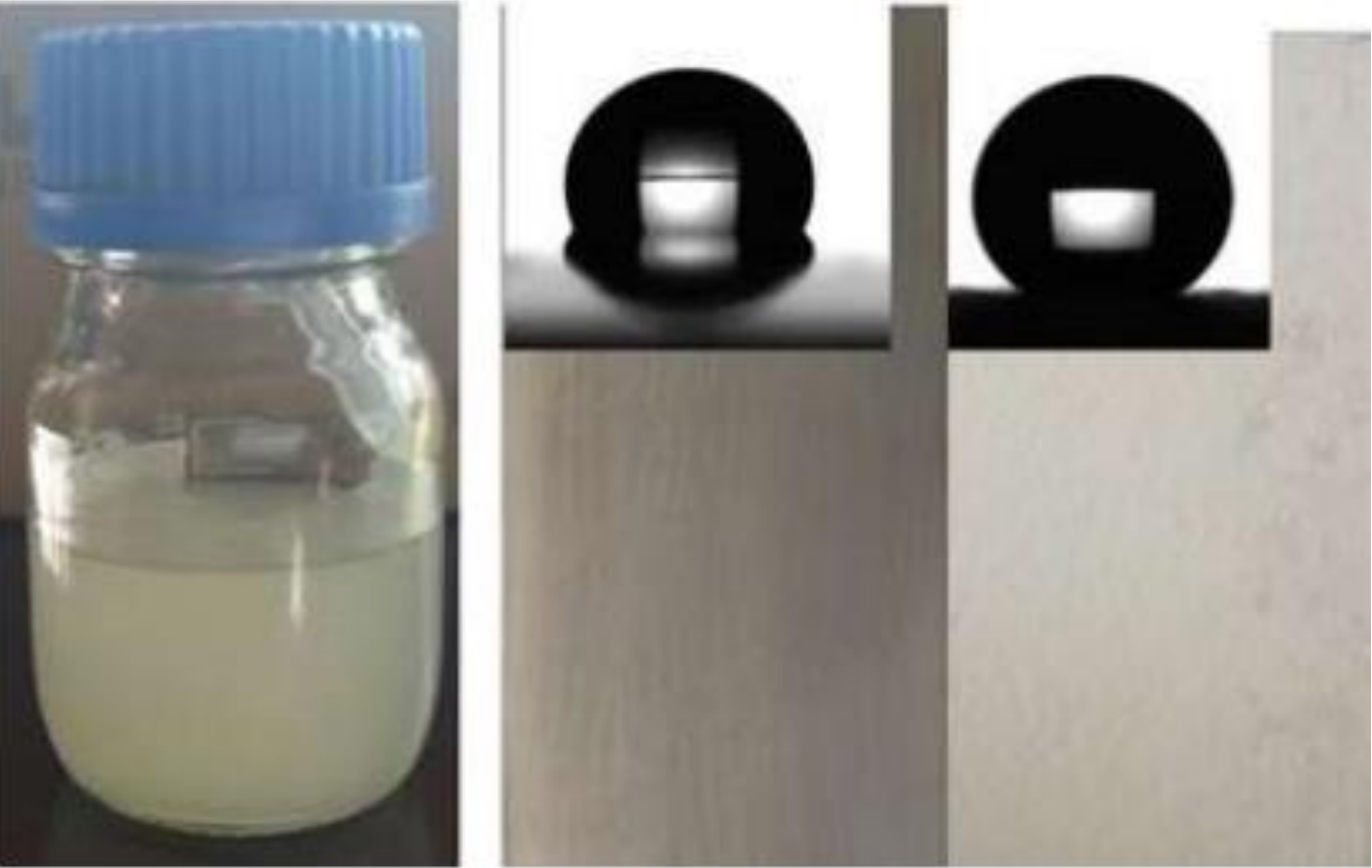
 润滑剂
润滑剂
 润滑油添加剂
 自润滑材料
自润滑材料
 密封材料
密封材料
 新兴材料
新兴材料
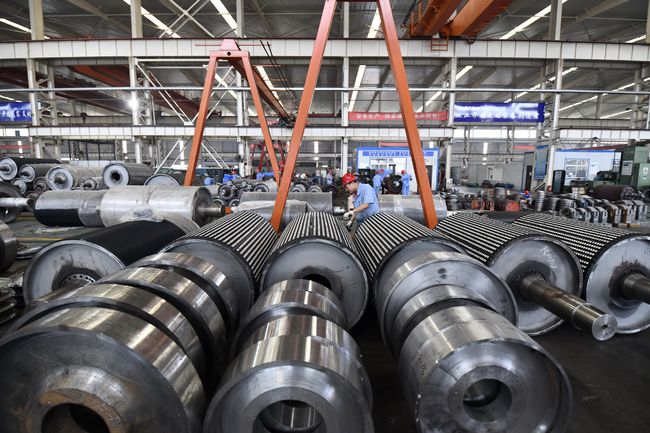 加工设备
加工设备
 摩擦试验机
摩擦试验机
 大型表征仪器
 小型测试设备