Variations in the microstructure and the dominant fretting wear mechanisms of carbon steel alloy in oscillatory sliding contact against stainless steel in a dry atmosphere were evaluated by various mechanical testing and microanalytical methods. These included scanning electron microscopy and energy dispersive spectrometry with corresponding elemental maps of the wear tracks, in conjunction with cross-sectional transmission electron microscopy of samples prepared by focused ion beam machining to assess subsurface and through-thickness changes in microstructure, all as a function of applied load and sliding time. Heavily dislocated layered microstructures were observed below the wear tracks to vary with both the load and sliding time. During the accumulation of fretting cycles, the subsurface microstructure evolved into stable dislocation cells with cell walls aligned parallel to the surface and the sliding direction. The thickness of the damaged subsurface region increased with the load, consistent with the depth distribution of the maximum shear stress. The primary surface oxide evolved as Fe 2O 3 and Fe 3O 4 with increasing sliding time, leading to the formation of a uniform oxide scale at the sliding surface. It is possible that the development of the dislocation cell structure in the subsurface also enhanced oxidation by pipe diffusion along dislocation cores. The results of this study reveal complex phase changes affecting the wear resistance of steels undergoing fretting wear, which involve a synergy between oxidative wear, crack initiation, and crack growth along dislocation cell walls due to the high strains accumulating under high loads and/or prolonged surface sliding. Abstract Variations in the microstructure and the dominant fretting wear mechanisms of carbon steel alloy in oscillatory sliding contact against stainless steel in a dry atmosphere were evaluated by various mechanical testing and microanalytical methods. These included scanning electron microscopy and energy dispersive spectrometry with corresponding elemental maps of the wear tracks, in conjunction with cross-sectional transmission electron microscopy of samples prepared by focused ion beam machining to assess subsurface and through-thickness changes in microstructure, all as a function of applied load and sliding time. Heavily dislocated layered microstructures were observed below the wear tracks to vary with both the load and sliding time. During the accumulation of fretting cycles, the subsurface microstructure evolved into stable dislocation cells with cell walls aligned parallel to the surface and the sliding direction. The thickness of the damaged subsurface region increased with the load, consistent with the depth distribution of the maximum shear stress. The primary surface oxide evolved as Fe 2O 3 and Fe 3O 4 with increasing sliding time, leading to the formation of a uniform oxide scale at the sliding surface. It is possible that the development of the dislocation cell structure in the subsurface also enhanced oxidation by pipe diffusion along dislocation cores. The results of this study reveal complex phase changes affecting the wear resistance of steels undergoing fretting wear, which involve a synergy between oxidative wear, crack initiation, and crack growth along dislocation cell walls due to the high strains accumulating under high loads and/or prolonged surface sliding. Keywords: cracks; dislocation cell walls; fretting; microstructure; oxidation; steel; phase transformation; wear mechanisms
周老师: 13321314106
王老师: 17793132604


邮箱号码: lub@licp.cas.cn





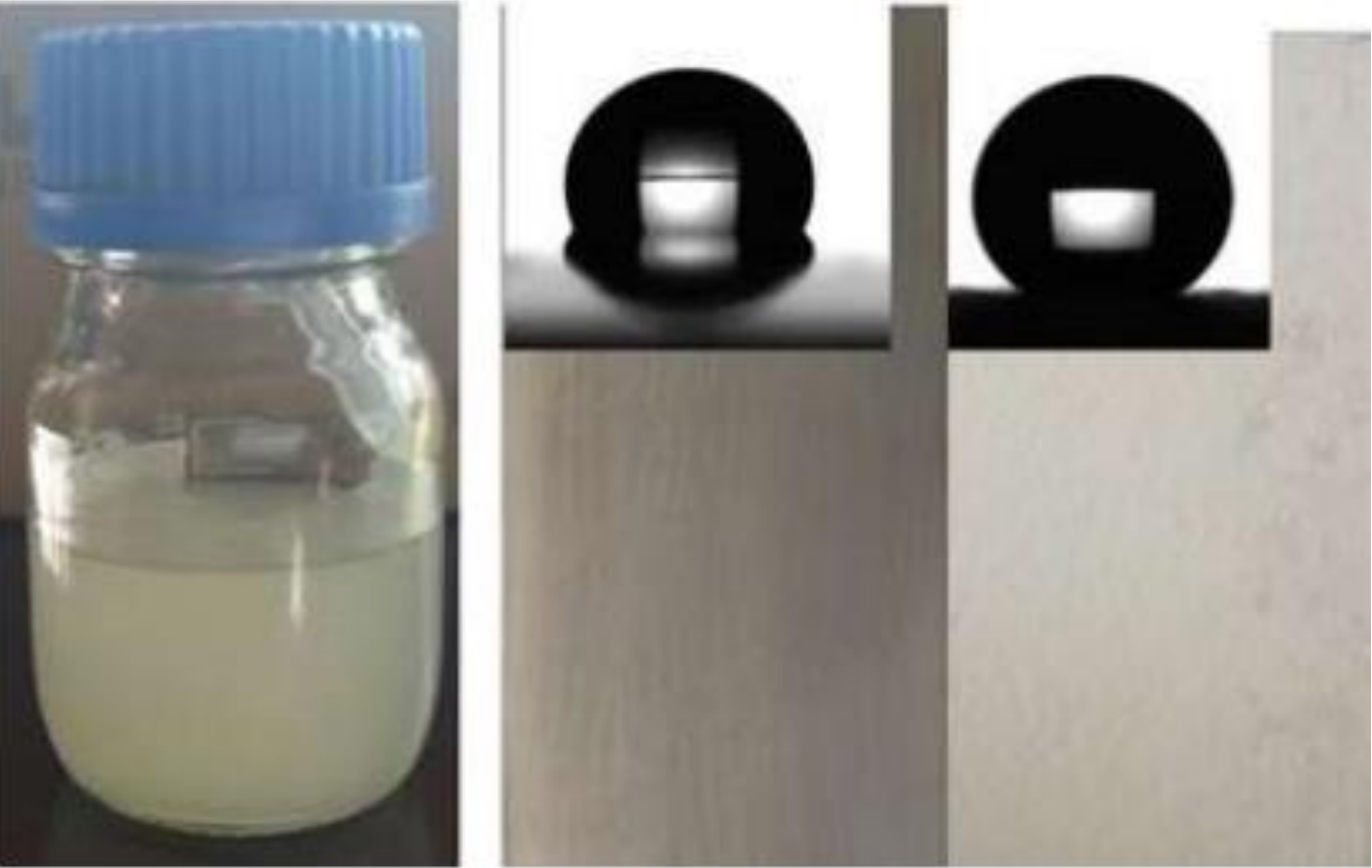
 润滑剂
润滑剂
 润滑油添加剂
 自润滑材料
自润滑材料
 密封材料
密封材料
 新兴材料
新兴材料
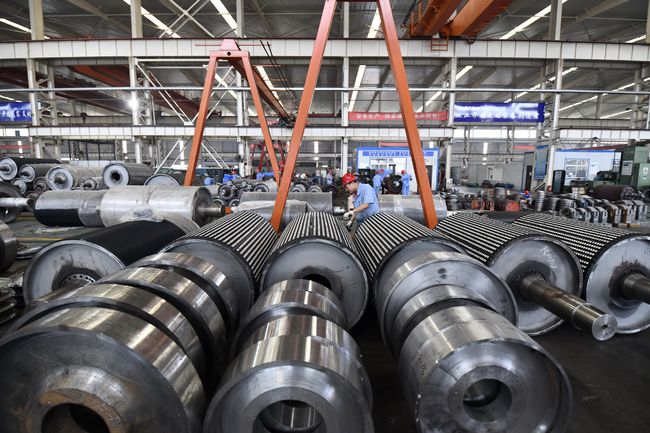 加工设备
加工设备
 摩擦试验机
摩擦试验机
 大型表征仪器
 小型测试设备