Design/methodology/approach This paper establishes a comprehensive thermo-mechanical fully coupled orthogonal cutting model. This paper aims to couple the modified Johnson–Cook constitutive model, damage model and contact model to construct a two-dimensional orthogonal cutting thermo-mechanical coupling model for high-speed cutting of Ti6Al4V. The model considers the evolution of microstructures such as plastic deformation, grain dislocation rearrangement, dynamic recrystallization, as well as stress softening and hardening occurring continuously in Ti6Al4V metal during high-speed cutting. Additionally, the model incorporates friction and contact between the tool and the workpiece. It can be used to predict parameters such as cutting process, cutting force, temperature distribution, stress and strain in titanium alloy machining. The study establishes the model and implements corresponding functions by writing Abaqus VUMAT and VFRICTION subroutines. Findings The use of different material constitutive models can significantly impact the prediction of the cutting process. Some models may more accurately describe the mechanical behavior of the material, thus providing more reliable prediction results, while other models may exhibit larger deviations. Compared to the Tanh model, the proposed model achieves a maximum improvement of 8.9% in the prediction of cutting force and a maximum improvement of 20.9% in the prediction of chip morphology parameters. Compared to experiments, the proposed model achieves a minimum prediction error of 2.8% for average cutting force and a minimum error of 0.57% for sawtooth parameters. This study provides a comprehensive theoretical foundation and practical guidance for orthogonal cutting of titanium alloys. The model not only helps engineers and researchers better understand various phenomena in the cutting process but also serves as an important reference for optimizing cutting processes. Originality/value The originality of this research is guaranteed, as it has not been previously published in any journal or publication. Peer review The peer review history for this article is available at: https://publons.com/publon/10.1108/ILT-05-2024-0168/
周老师: 13321314106
王老师: 17793132604


邮箱号码: lub@licp.cas.cn




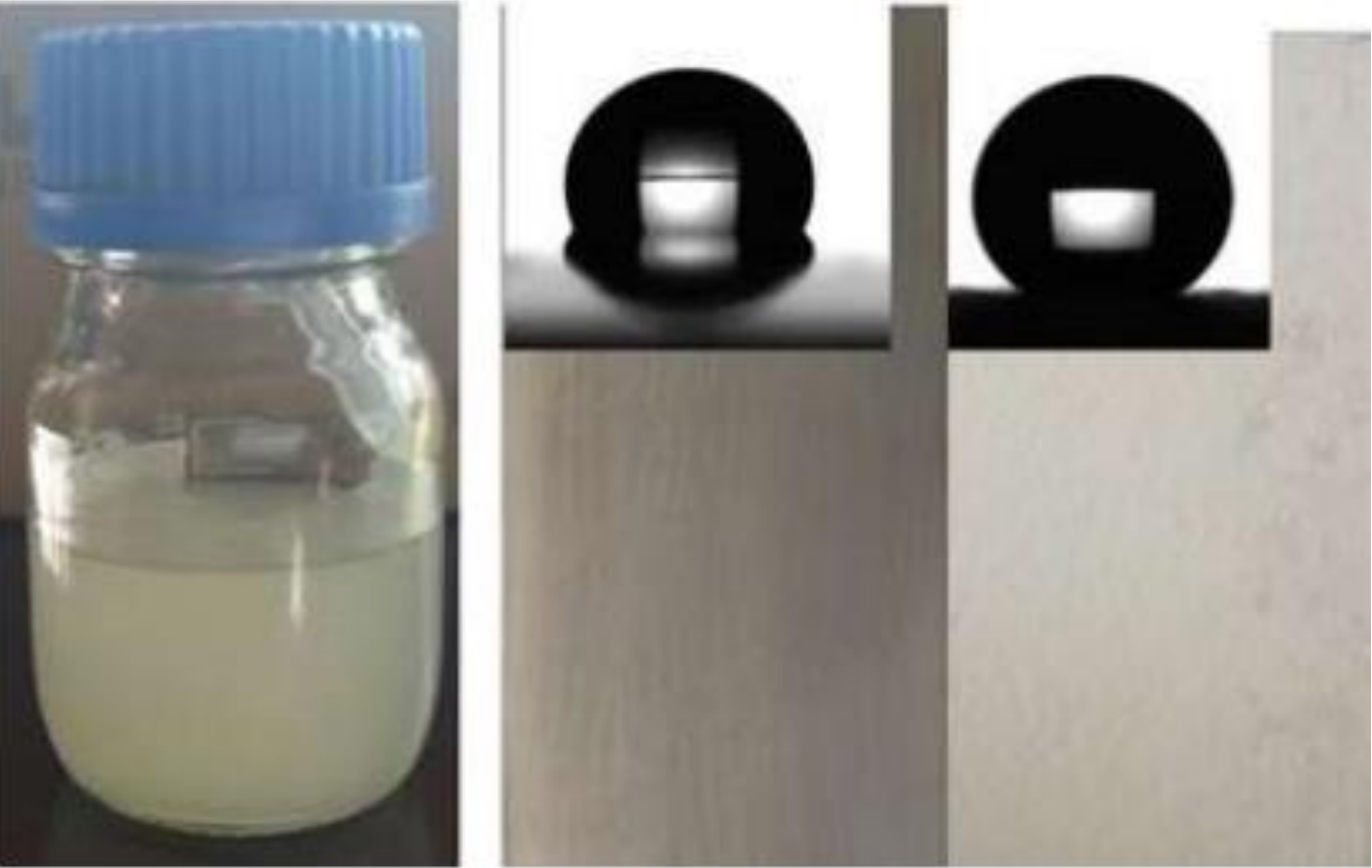
 润滑剂
润滑剂
 润滑油添加剂
 自润滑材料
自润滑材料
 密封材料
密封材料
 新兴材料
新兴材料
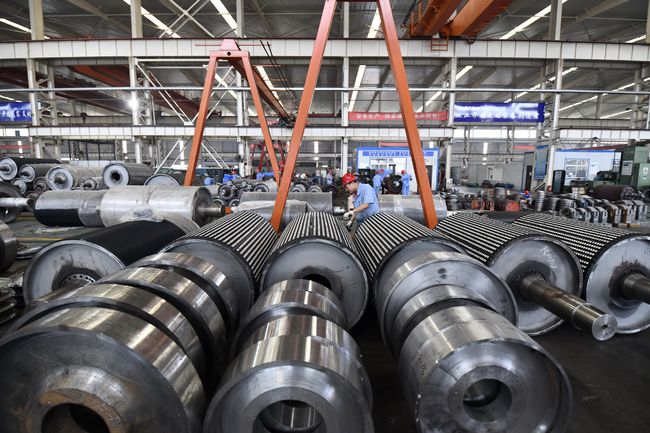 加工设备
加工设备
 摩擦试验机
摩擦试验机
 大型表征仪器
 小型测试设备