This paper reviews recent advances in the synthesis of cobalt-free high-strength tungsten carbide (WC) composites as sustainable alternatives to conventional WC-Co composites. Due to the high cost of cobalt, limited supply, and environmental concerns, researchers are exploring nickel, iron, ceramic binders, and nanocomposites to obtain similar or superior mechanical properties. Various synthesis methods such as powder metallurgy, encapsulation, 3D printing, and spark plasma sintering (SPS) are discussed, with SPS standing out for its effectiveness in densifying and preventing WC grain growth. The results show that cobalt-free composites exhibit high strength, wear and corrosion resistance, and harsh environment stability, making them viable competitors for WC-Co materials. The use of nickel and iron with SPS is shown to enable the development of environmentally friendly, cost-effective materials. It is emphasized that microstructural control and phase management during sintering are critical to improve a material’s properties. The application potential of these composites covers mechanical engineering, metallurgy, oil and gas, and aerospace, emphasizing their broad industrial relevance. Abstract This paper reviews recent advances in the synthesis of cobalt-free high-strength tungsten carbide (WC) composites as sustainable alternatives to conventional WC-Co composites. Due to the high cost of cobalt, limited supply, and environmental concerns, researchers are exploring nickel, iron, ceramic binders, and nanocomposites to obtain similar or superior mechanical properties. Various synthesis methods such as powder metallurgy, encapsulation, 3D printing, and spark plasma sintering (SPS) are discussed, with SPS standing out for its effectiveness in densifying and preventing WC grain growth. The results show that cobalt-free composites exhibit high strength, wear and corrosion resistance, and harsh environment stability, making them viable competitors for WC-Co materials. The use of nickel and iron with SPS is shown to enable the development of environmentally friendly, cost-effective materials. It is emphasized that microstructural control and phase management during sintering are critical to improve a material’s properties. The application potential of these composites covers mechanical engineering, metallurgy, oil and gas, and aerospace, emphasizing their broad industrial relevance. Keywords: cobalt-free metal alloy composites; tungsten carbide; nickel; iron; SPS
周老师: 13321314106
王老师: 17793132604


邮箱号码: lub@licp.cas.cn




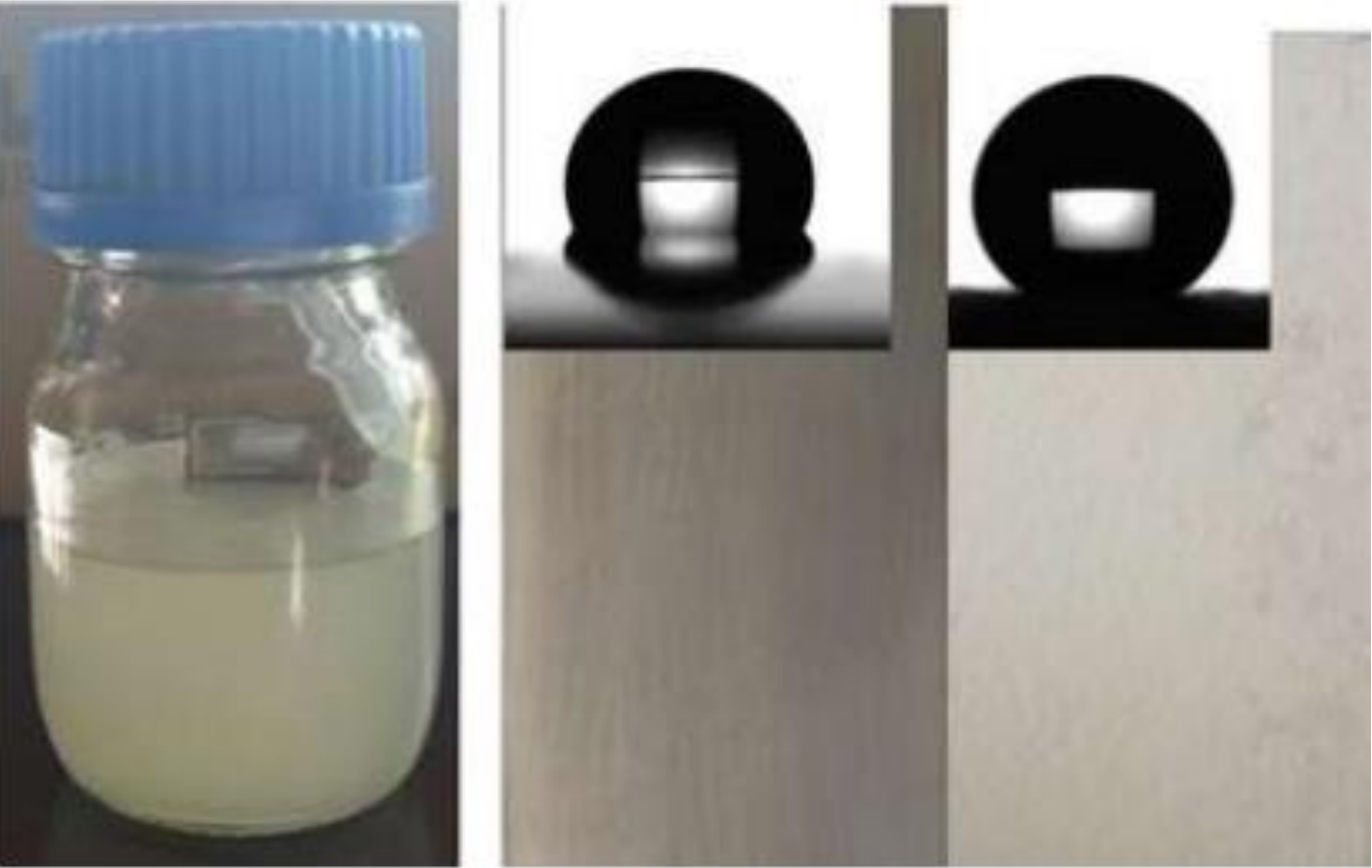
 润滑剂
润滑剂
 润滑油添加剂
 自润滑材料
自润滑材料
 密封材料
密封材料
 新兴材料
新兴材料
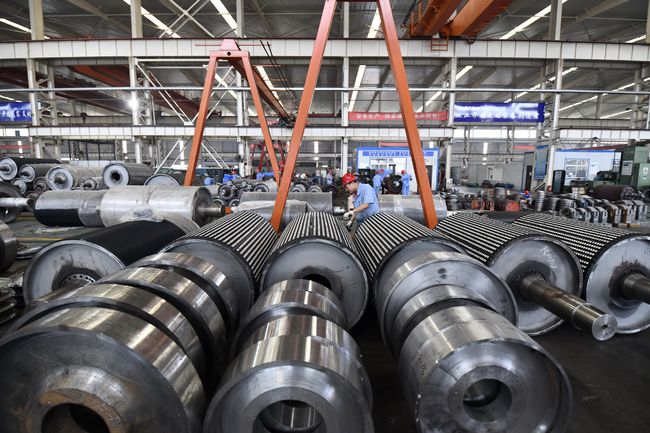 加工设备
加工设备
 摩擦试验机
摩擦试验机
 大型表征仪器
 小型测试设备