Although there has been significant progress on the individual effects of surface roughness and boundary slippage on hydrodynamic lubrication performance of pivoted pad thrust bearings, the coupled effect of these two factors remains unclear. This is particularly important for preventing wear in large pivoted pad thrust bearings under heavy-load and thin-film conditions. In this work, a rough surface lubrication numerical model is developed for the pivoted pad thrust bearing with consideration of boundary slippage by combining average flow model and modified limiting shear stress model. The nonlinear slip control function in the modified limiting shear stress model is presented by the interface shear stress, which is obtained by the average flow Reynolds equation. The coupled effects of surface roughness and boundary slippage on hydrodynamic lubrication performance are studied under different conditions. Our results show that the rough thrust pad surface helps to control the slip region and maintain lubrication performance, while the rough collar surface extends the slip region and causes a severe adverse effect on lubrication performance. However, a reasonably designed slip/non-slip configuration on thrust pad surface is helpful for controlling the slip region on the thrust pad surface. At this point, a rough collar surface can significantly increase the improvement effect of slip/non-slip configuration on lubrication performance. Additionally, boundary slippage can be prevented if both surfaces are rough. The coupled effects of surface roughness and boundary slippage can be used to design pivoted pad thrust bearings to improve lubrication performance.
周老师: 13321314106
王老师: 17793132604


邮箱号码: lub@licp.cas.cn




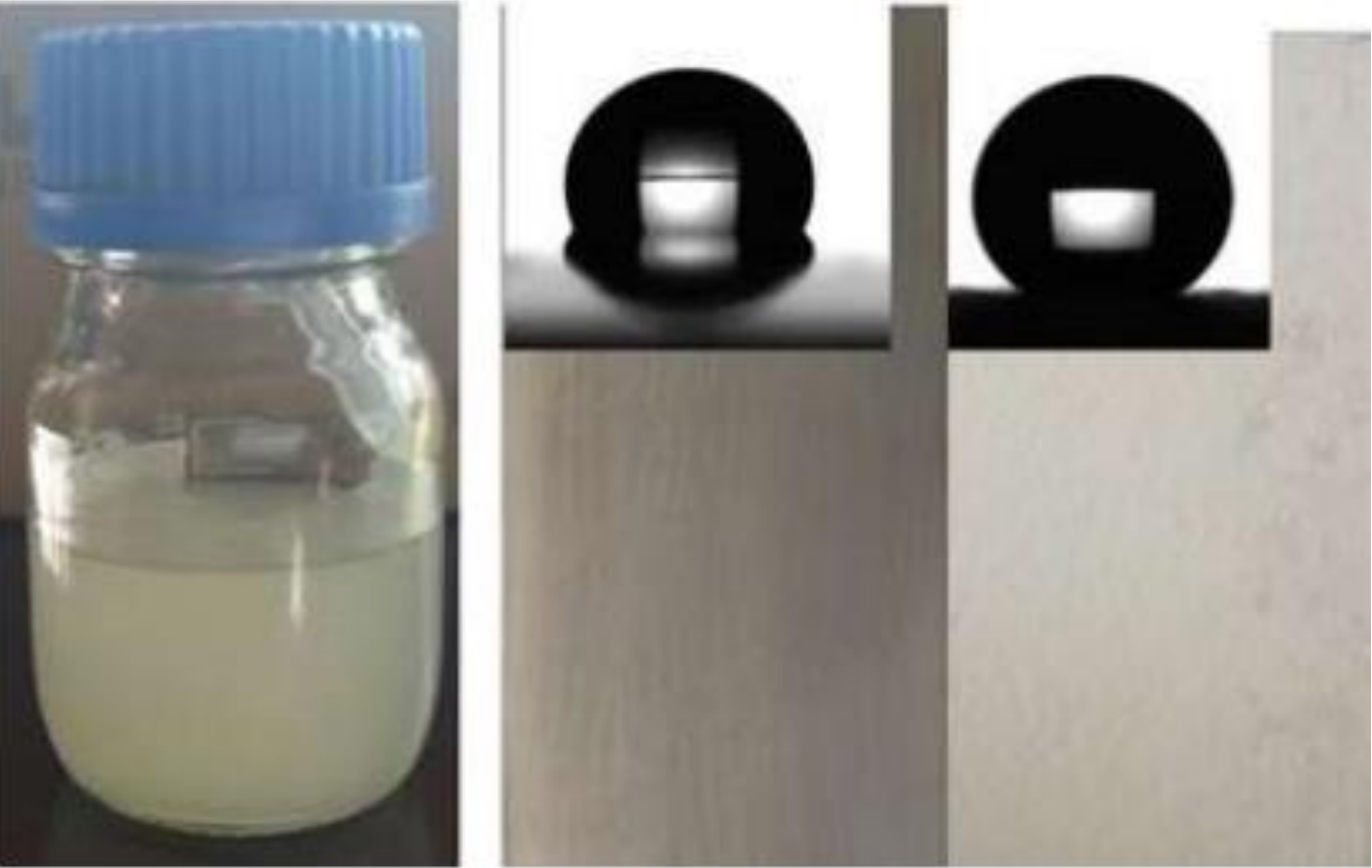
 润滑剂
润滑剂
 润滑油添加剂
 自润滑材料
自润滑材料
 密封材料
密封材料
 新兴材料
新兴材料
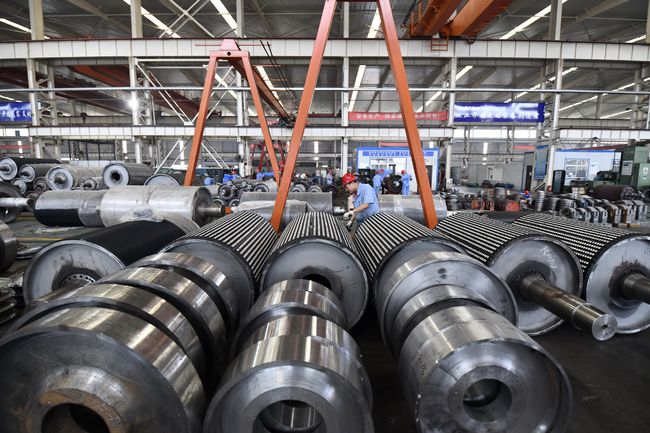 加工设备
加工设备
 摩擦试验机
摩擦试验机
 大型表征仪器
 小型测试设备