The laser powder bed fused (LPBF) Ti-6Al-4V (Ti64) samples were tested for their tribological properties using a pin-on-disc tribometer. Three different post-treatments, including stress relief (SR), heat treatment (HT), and cryogenic treatment (CT) were employed. Results showed that standard HT and CT with tempering (CTT) conditions lead to a more even distribution of the β phase within the lamellar structure. As a result, the CTT-treated samples exhibited the lowest value of specific wear rate (80.72% lower than non-heat treated). The dominating wear mechanism was abrasive wear along with delamination and ploughing. Tribo-layer consisting of tribo-oxide is identified from XRD and Raman spectroscopy and the anatase and rutile phase of TiO 2 is present at the wear surface. The subsurface analysis also shows the presence of tribo-layer, followed by a transition region before the actual base microstructure. There is a material transfer from the counter body surface forming a mechanically mixed layer (MML) at the interface which is confirmed by the wear debris analysis. The wear track shows adhesion of Ti64 pin material to the surface and their aggregate volume is measured and noticed that the post-process samples show lower adhesion to the counter surface compared to the as-built Ti64.
周老师: 13321314106
王老师: 17793132604


邮箱号码: lub@licp.cas.cn




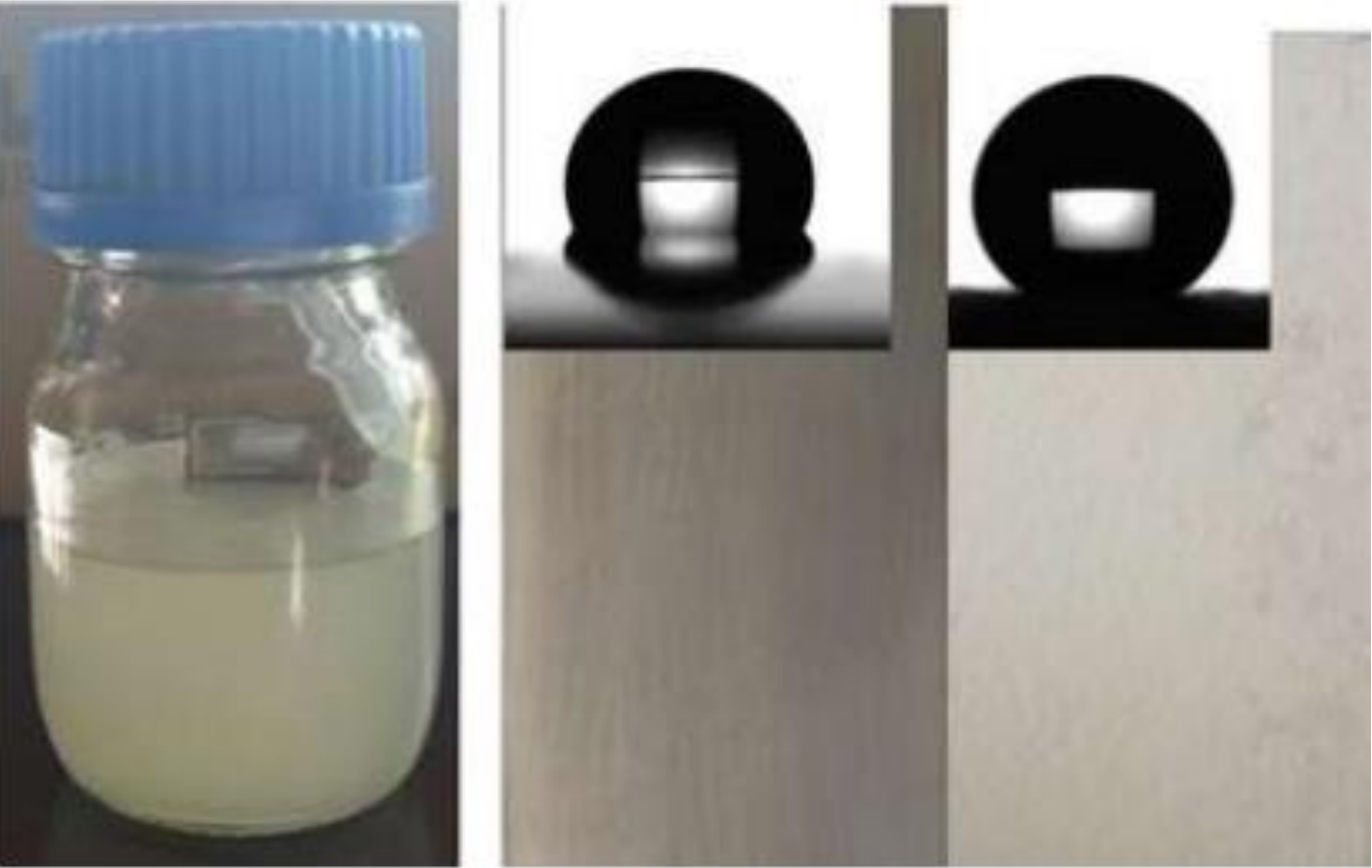
 润滑剂
润滑剂
 润滑油添加剂
 自润滑材料
自润滑材料
 密封材料
密封材料
 新兴材料
新兴材料
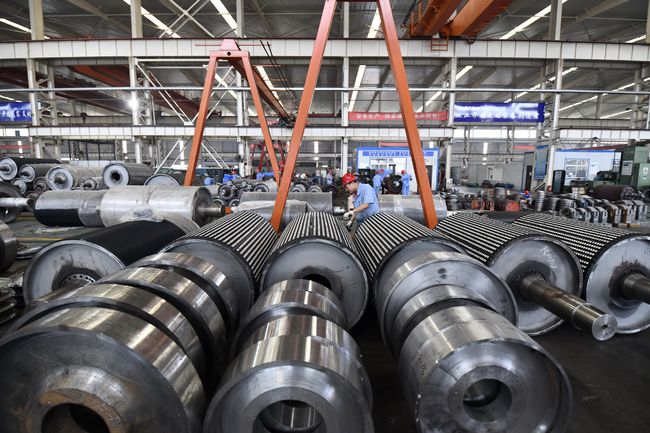 加工设备
加工设备
 摩擦试验机
摩擦试验机
 大型表征仪器
 小型测试设备