Objective To evaluate the fatigue life of 5Y-PSZ crowns coated with antimicrobial glasses and the wear on the antagonist, comparing it to a commercial glaze. Methods Forty-five crowns of 5Y-PSZ zirconia were divided into: commercial glaze (G); boron-doped soda-lime glass (BSL), and boron-doped soda-lime glass with silver (BSLAg). Step-stress accelerated life testing was conducted at 2 Hz with a stress ratio of 0.1 on a custom servo-hydraulic load frame. The characteristic lifetime and Weibull modulus were estimated using the ALTAPRO software. Energy-Dispersive Spectroscopy (EDS), surface roughness (SR, Sa, and Sz) for the coated crowns and the pistons, fractography, and piston wear analysis were conducted. Crown's SR and piston wear were analyzed by two-way ANOVA, and Tukey's method (α=0.05). Piston's SR was examined by Linear Mixed Model (LMM) (α=0.05). Results EDS identified zirconium in the composition of the radiopaque structures on both experimental glass coating surfaces. Crowns coated by BSL showed the lowest Sz values after all the different fatigue profiles. After the fatigue test, the SR (Sa and Sz) of the piston for all groups was similarly higher than before. No significant difference could be detected between the groups after the fatigue lifetime analysis. Fractures originated at the glass surface for all groups. The pistons in contact with the G group crowns presented greater volume wear for the mild fatigue profile. Significance 5Y-PSZ zirconia crowns coated by BSL and BSLAg maintained the fatigue performance and significantly reduced wear on the piston/antagonist compared to the commercial glaze group. These coatings show potential for clinical applications in ceramic restorations, particularly in environments prone to biofilm accumulation.
周老师: 13321314106
王老师: 17793132604


邮箱号码: lub@licp.cas.cn





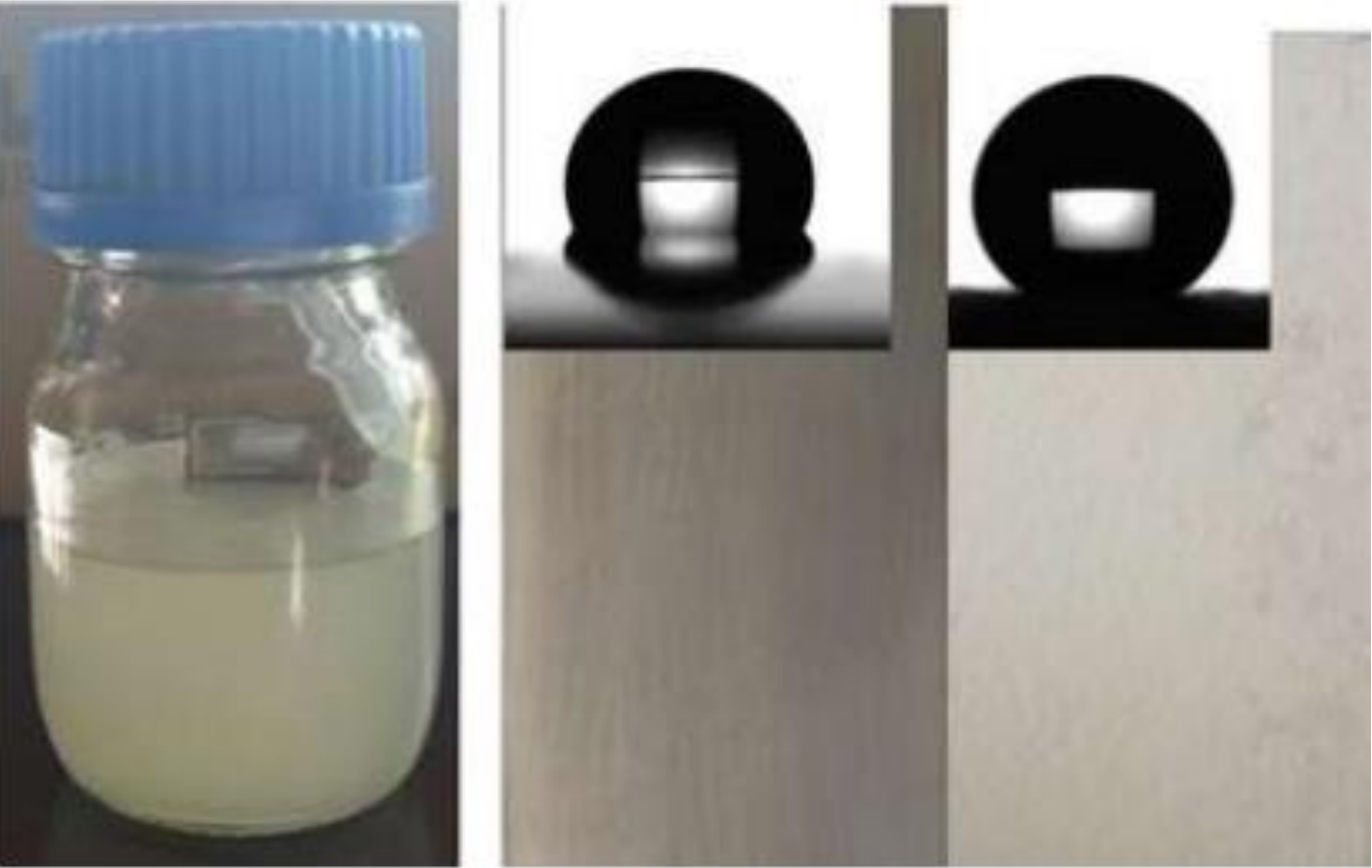
 润滑剂
润滑剂
 润滑油添加剂
 自润滑材料
自润滑材料
 密封材料
密封材料
 新兴材料
新兴材料
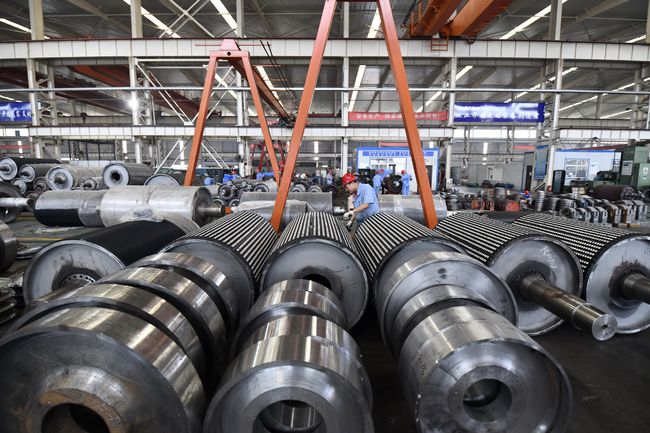 加工设备
加工设备
 摩擦试验机
摩擦试验机
 大型表征仪器
 小型测试设备