Single-crystal diamond (SCD), with its ultra-wide bandgap and exceptional thermal conductivity, is an emerging fourth-generation semiconductor material. However, the extreme hardness, superior wear resistance, and strong chemical inertness of SCD pose significant challenges for achieving both high-quality and high-efficiency polishing. This study employs an UV photocatalytic assisted chemical mechanical polishing approach to process single-crystal diamond. Under UV light irradiation, H 2O 2 and TiO 2 work together to produce ·OH, which can oxidize the surface of SCD to form a relatively soft oxide layer to reduce the difficulty of polishing. The effects of chemical process parameters (H 2O 2 concentration, light intensity and TiO 2 concentration) and mechanical process parameters (polishing pressure, polishing disc speed, abrasive concentration and abrasive particle size) on the polishing effect of SCD were studied by single factor experiment. The experimental results demonstrate that with increasing H 2O 2 concentration, TiO 2 concentration, polishing pressure, polishing disc speed, abrasive concentration, and abrasive particle size, the material removal rate (MRR) of SCD first increases and then decreases, while the surface roughness (Sa) first decreases and then increases. The MRR exhibits a positive correlation with increasing light intensity, while the surface roughness demonstrates an inverse relationship. Under the conditions of 1.5 kg polishing pressure, 60 r/min polishing disc speed, 3 wt% abrasive concentration, 1 μm abrasive particle size, 100 mW/cm 2 light intensity, 10 wt% H 2O 2, and 3 g/L TiO 2, the MRR of SCD reached 321 nm/h with a surface roughness of Sa 0.340 nm after 60 min of polishing. This study provides additional fundamental evidence for the application of UV photocatalytic reactions in the field of chemical mechanical polishing of SCD.
周老师: 13321314106
王老师: 17793132604


邮箱号码: lub@licp.cas.cn




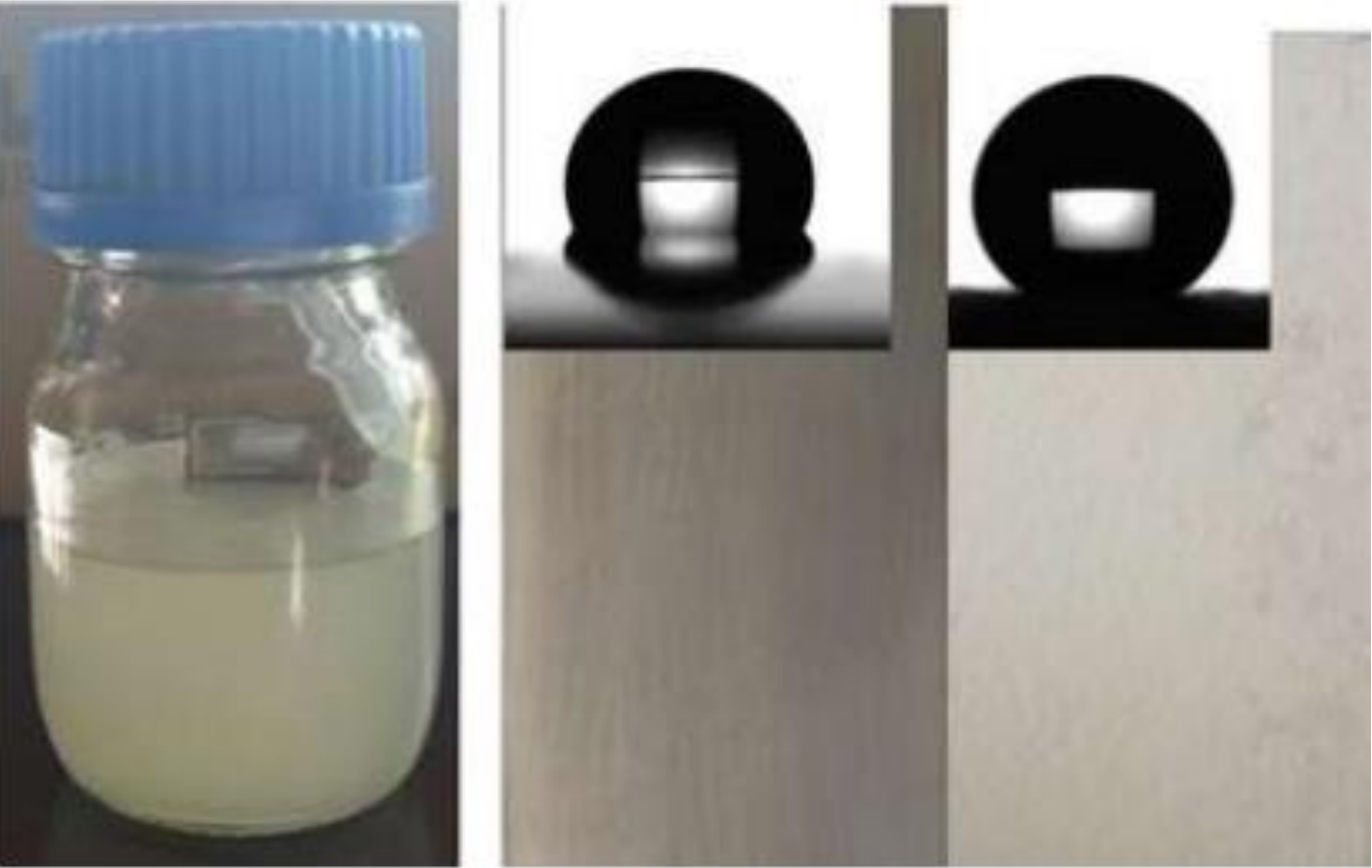
 润滑剂
润滑剂
 润滑油添加剂
 自润滑材料
自润滑材料
 密封材料
密封材料
 新兴材料
新兴材料
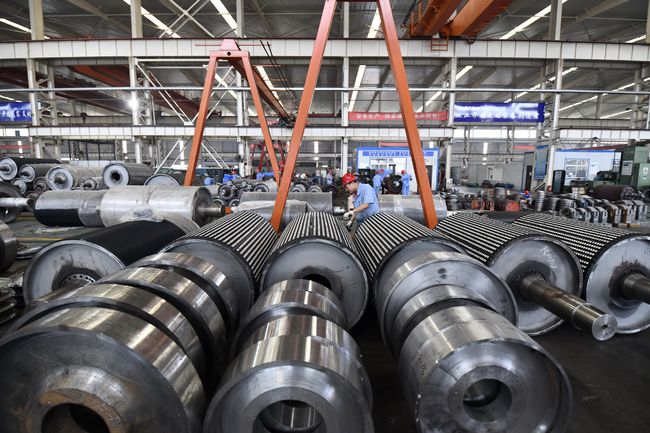 加工设备
加工设备
 摩擦试验机
摩擦试验机
 大型表征仪器
 小型测试设备