With the rapid advancement of Internet of Things (IoT) technology, automotive and aerospace sectors urgently require high-g, high-sensitivity self-powered acceleration sensors exceeding 100 g measurement ranges. Triboelectric nanogenerator (TENG)-based self-powered acceleration sensors show application potential but face three core limitations: narrow measurement ranges (typically <100 g), insufficient sensitivity, and bulky footprints. This study designed a novel TENG self-powered acceleration sensor achieving over 1000 g dynamic range and miniaturization through integrated modified MEMS L-beam structures. Simultaneously, polystyrene nanosphere self-assembly constructed bowl-shaped/triangular microarrays on polydimethylsiloxane (PDMS) and aluminum triboelectric layers, enabling a 5.4-fold sensitivity enhancement in forward/reverse sensing units—increasing from 9.35 mV/g and 9.27 mV/g to 50.89 mV/g and 51.50 mV/g respectively—with Pearson correlation coefficients reaching 0.99988 and 0.99984, demonstrating near-perfect linearity. Experimental verification confirms the sensor's combined advantages of broad dynamic range, high sensitivity, excellent long-term stability, and thermal robustness, providing innovative solutions for automotive crash safety monitoring and spacecraft high-impact environment detection.
周老师: 13321314106
王老师: 17793132604


邮箱号码: lub@licp.cas.cn




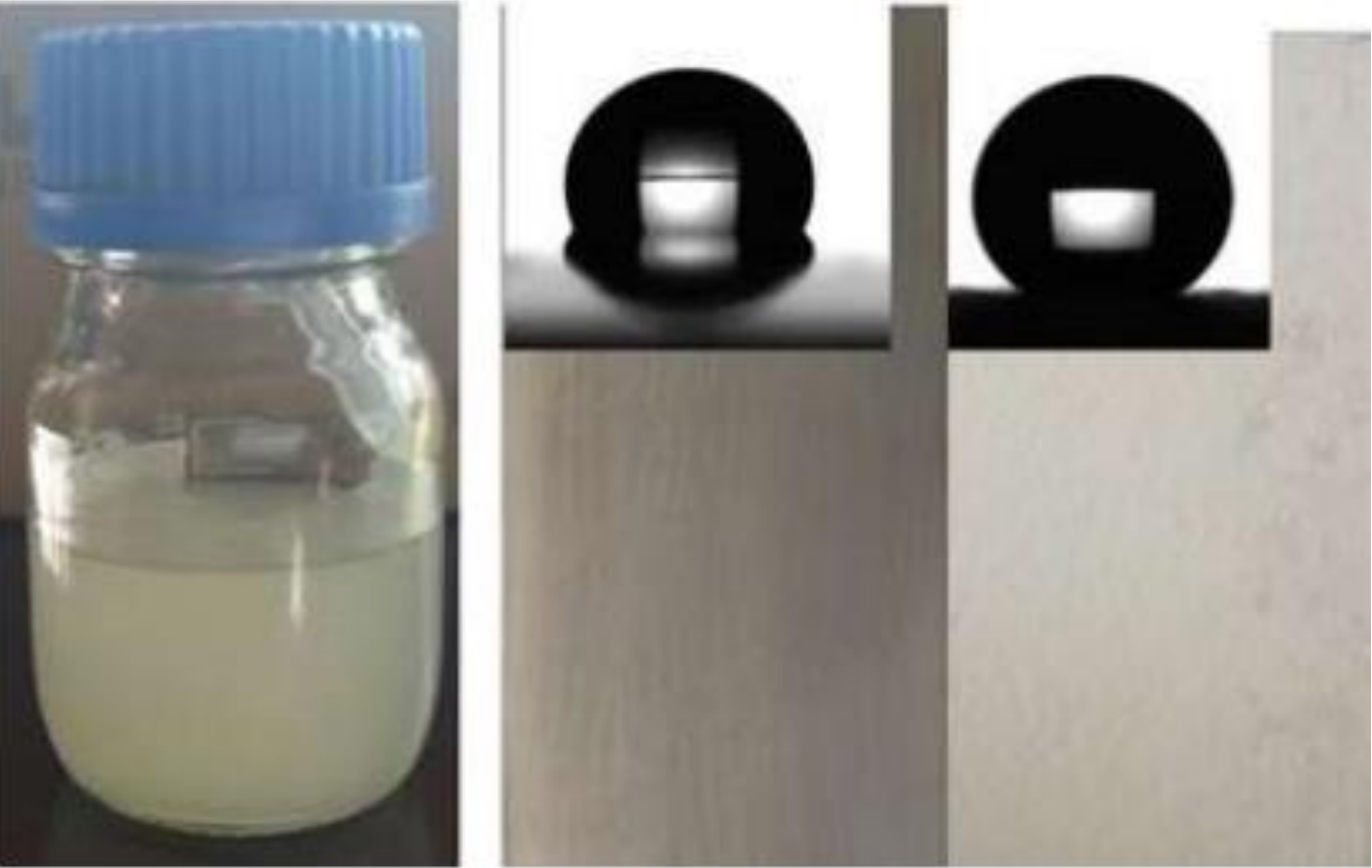
 润滑剂
润滑剂
 润滑油添加剂
 自润滑材料
自润滑材料
 密封材料
密封材料
 新兴材料
新兴材料
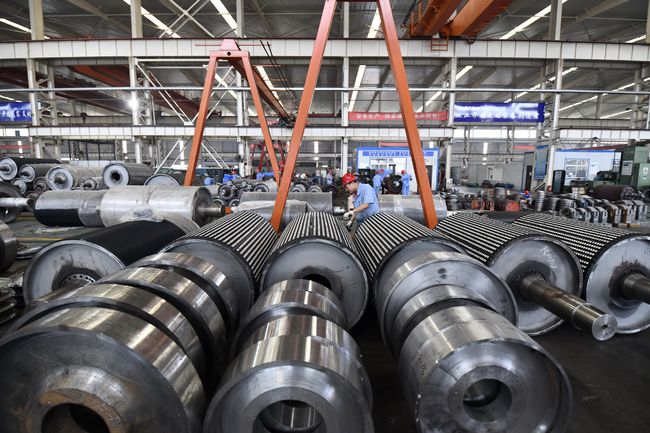 加工设备
加工设备
 摩擦试验机
摩擦试验机
 大型表征仪器
 小型测试设备