Zirconium-4 (Zr-4) alloys are extensively used in the fabrication of nuclear fuel claddings owing to their favourable properties. However, their inherently low wear resistance poses a critical limitation. To address this issue, CrSi-based coatings were deposited on the surface of a Zr-4 alloy using the double-target co-sputtering technology. This study systematically investigated the effects of Si and N contents on the structure and properties of CrSi-based coatings in air and deionised water. The results indicated that changes in the Si content had minimal effect on the structure of the CrSi coatings but significantly influenced their mechanical properties. The hardness of the CrSi coatings increased, whereas their toughness decreased with increasing Si content. The introduction of N promoted the formation of a Cr 2N ceramic phase in CrSiN, resulting in the lowest toughness among all coatings. In air, the tribological behaviour of the CrSi-based coatings was positively correlated with their hardness, with the predominant wear mechanisms being adhesive, oxidative, and abrasive. In deionised water, the tribological behaviour of the CrSi coatings involved abrasive, fatigue, and oxidative wear mechanisms, which were influenced by their hardness and toughness. These results provide significant insights into the microstructures and wear performances of the CrSi-based coatings.
周老师: 13321314106
王老师: 17793132604


邮箱号码: lub@licp.cas.cn




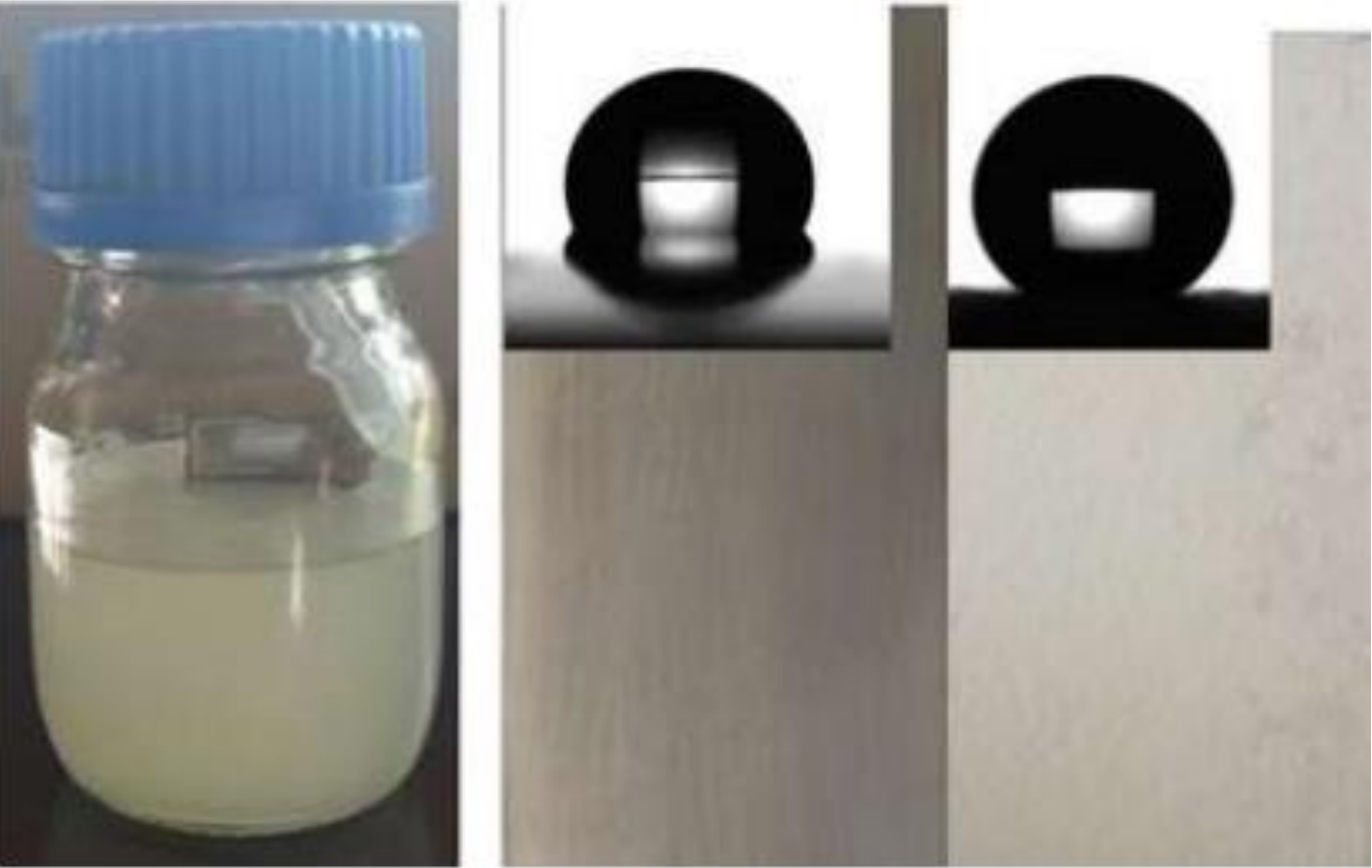
 润滑剂
润滑剂
 润滑油添加剂
 自润滑材料
自润滑材料
 密封材料
密封材料
 新兴材料
新兴材料
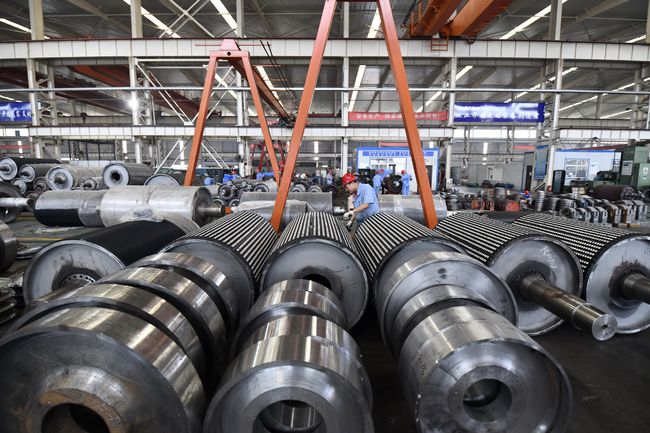 加工设备
加工设备
 摩擦试验机
摩擦试验机
 大型表征仪器
 小型测试设备