Inspired by the mucus secretion from red-eyed tree frog microchannels under pressure in tropical rainforests, this study aimed to develop a bio-inspired surface with adaptive self-lubrication and anti-wear properties for enhanced tribological performance under alternating loads. A bio-inspired surface was designed to dynamically adjust its lubrication state on the hexagonal micro-/nanostructure when pressure-induced squeezing. The fabricated surface demonstrated an ultra-low coefficient of friction and a significantly reduced wear rate. The underlying mechanism involves localized contact behavior creating a pressure differential that overcomes capillary forces, triggering on-demand lubricant release from the microchannels. The influence of laser processing parameters (i.e., scanning path, number of scans, and laser power) on surface microhardness and oil storage capacity under different loading conditions was investigated. Results showed that laser power predominantly affected the hardness and wear resistance of the micro-/nanostructures, while the scanning path and number of scans jointly enhanced self-lubricating capability. A multiphase interface self-lubrication and wear evolution model was established to explain the on-demand oil-release behavior. This revealed that laser parameters controlled the density and depth of hexagonal channel gaps, thereby improving lubricant retention, extending storage time, and facilitating the formation of a robust, wear-resistant oxide layer.
周老师: 13321314106
王老师: 17793132604


邮箱号码: lub@licp.cas.cn




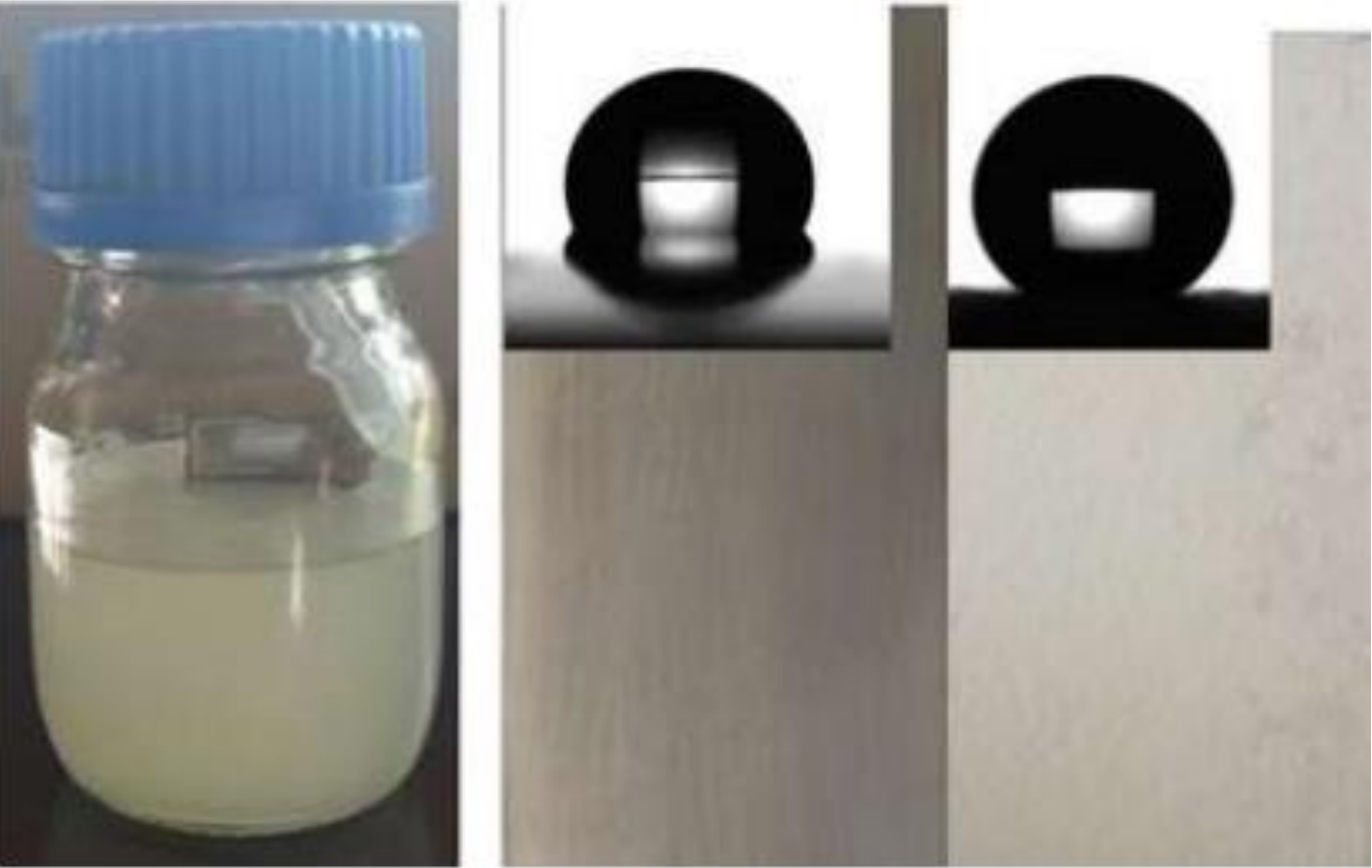
 润滑剂
润滑剂
 润滑油添加剂
 自润滑材料
自润滑材料
 密封材料
密封材料
 新兴材料
新兴材料
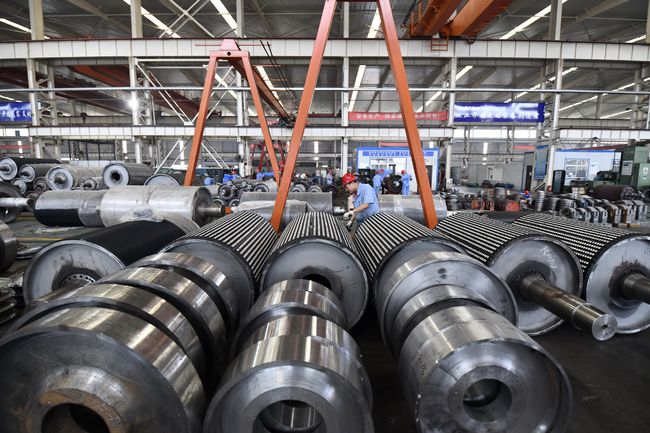 加工设备
加工设备
 摩擦试验机
摩擦试验机
 大型表征仪器
 小型测试设备