Hydrogenated diamond-like carbon (H-DLC) coatings are promising materials for minimizing electrical degradation under electrified sliding systems. However, its safe operational voltage threshold required to avoid dielectric breakdown, electrical arcing, and lubrication failure, especially under aqueous lubrication, remains largely unknown. This study explores the sliding performance of steel/H-DLC contact pair lubricated with aqueous glycerol under electrified sliding conditions. The results demonstrate that at applied voltage below 1 V, a stable macroscale superlubricity was observed with a coefficient of friction (COF) ranging between 0.007 and 0.009. The COF increased by 37.5% when the applied voltage increased to 1.2 V, while a further increase to 1.4 V caused coating degradation, indicating a voltage-induced loss of superlubricity. Analysis revealed that the H-DLC coating retained its structural integrity without graphitization under ≤ 1 V, and the achieved superlubricity was due to the surface passivation by the hydroxyl-terminated groups that form a low shear interface. However, as the applied voltage exceeds the 1 V threshold, sp 3-to-sp 2 structural transformation occurs, suggesting an electric-field-induced graphitization mechanism that leads to the dielectric breakdown and lubrication failure. These findings provide crucial insights into the electrified sliding performance of H-DLC coatings, rendering them one of the promising candidates for electro-mechanical systems.
周老师: 13321314106
王老师: 17793132604


邮箱号码: lub@licp.cas.cn




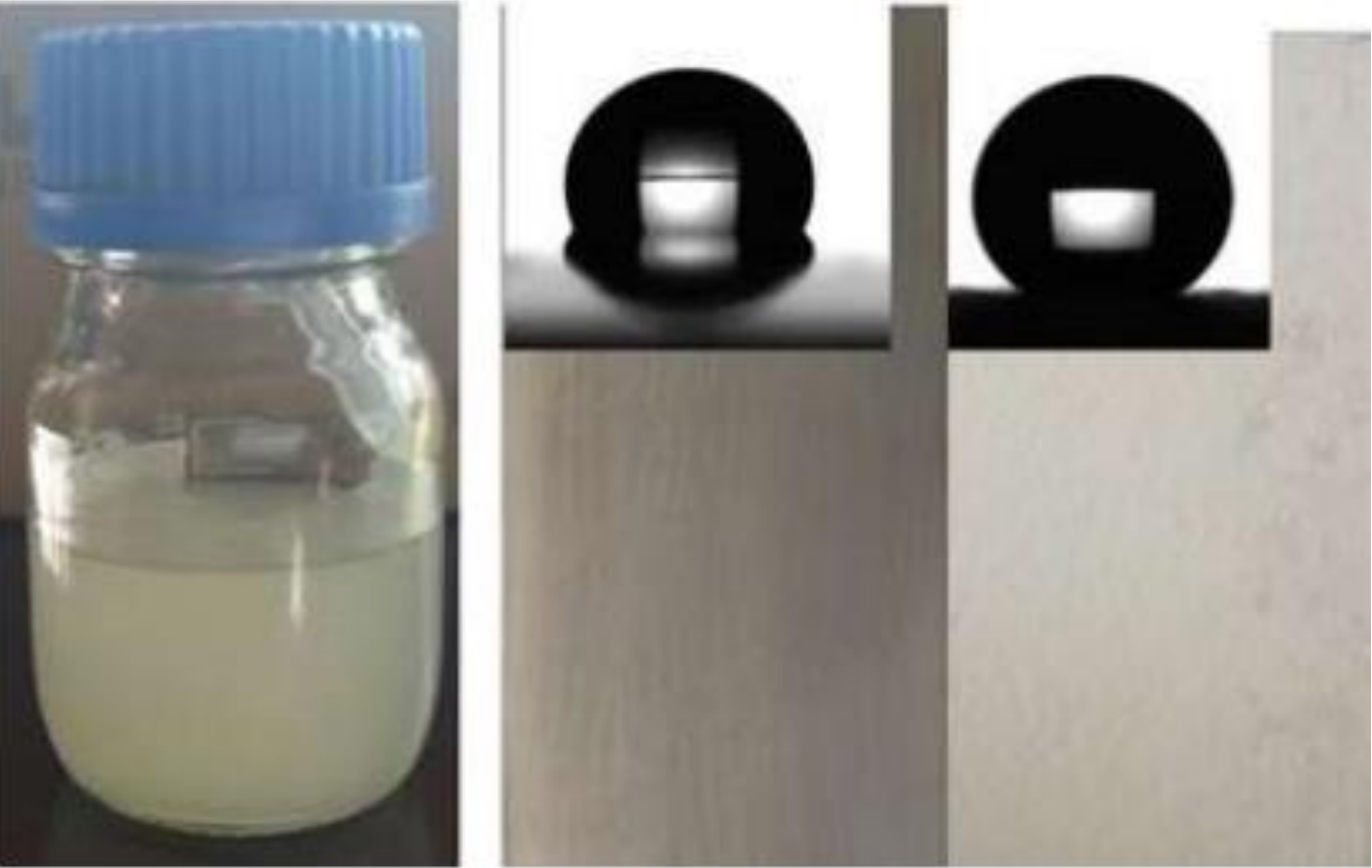
 润滑剂
润滑剂
 润滑油添加剂
 自润滑材料
自润滑材料
 密封材料
密封材料
 新兴材料
新兴材料
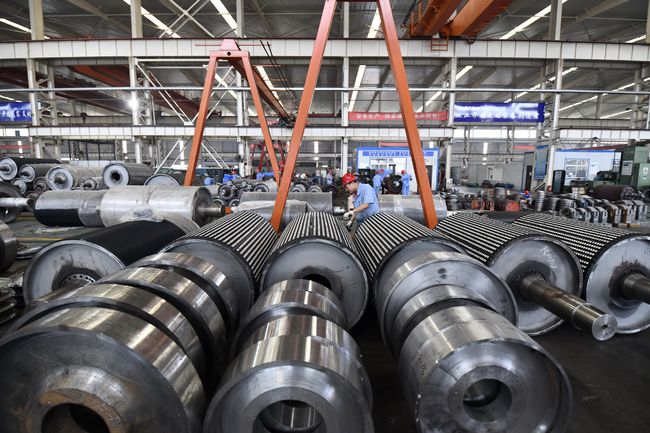 加工设备
加工设备
 摩擦试验机
摩擦试验机
 大型表征仪器
 小型测试设备