Friction and wear of moving mechanical components operating in methane environments adversely affected the utilization of environment, economy, and energy. Hydrogen-free amorphous carbon (a-C) film was recognized as one effective material for protecting such moving components. This study explored the structural evolution at the sliding interface of boron and nitrogen (B/N) co-doped a-C (a-C:BN) film in methane, revealing the influence of sp 2 C ordering and passivation on their tribological performance. Furthermore, plasma etching to remove surface oxides altered the degree of sp 2 C ordering and passivation at the tribological interface of the a-C:BN films. This process led to the formation of a superlubricious interface (μ < 0.01) characterized by a hydrogen-enriched ordered carbon wear track and thin hydrogen-enriched ordered carbon tribofilm. However, excessive passivation within the tribofilm subsequently caused superlubricity failure. Consequently, this study provided design ideas for developing a-C film capable of achieving superlubricity in methane environments.
周老师: 13321314106
王老师: 17793132604


邮箱号码: lub@licp.cas.cn




 润滑剂
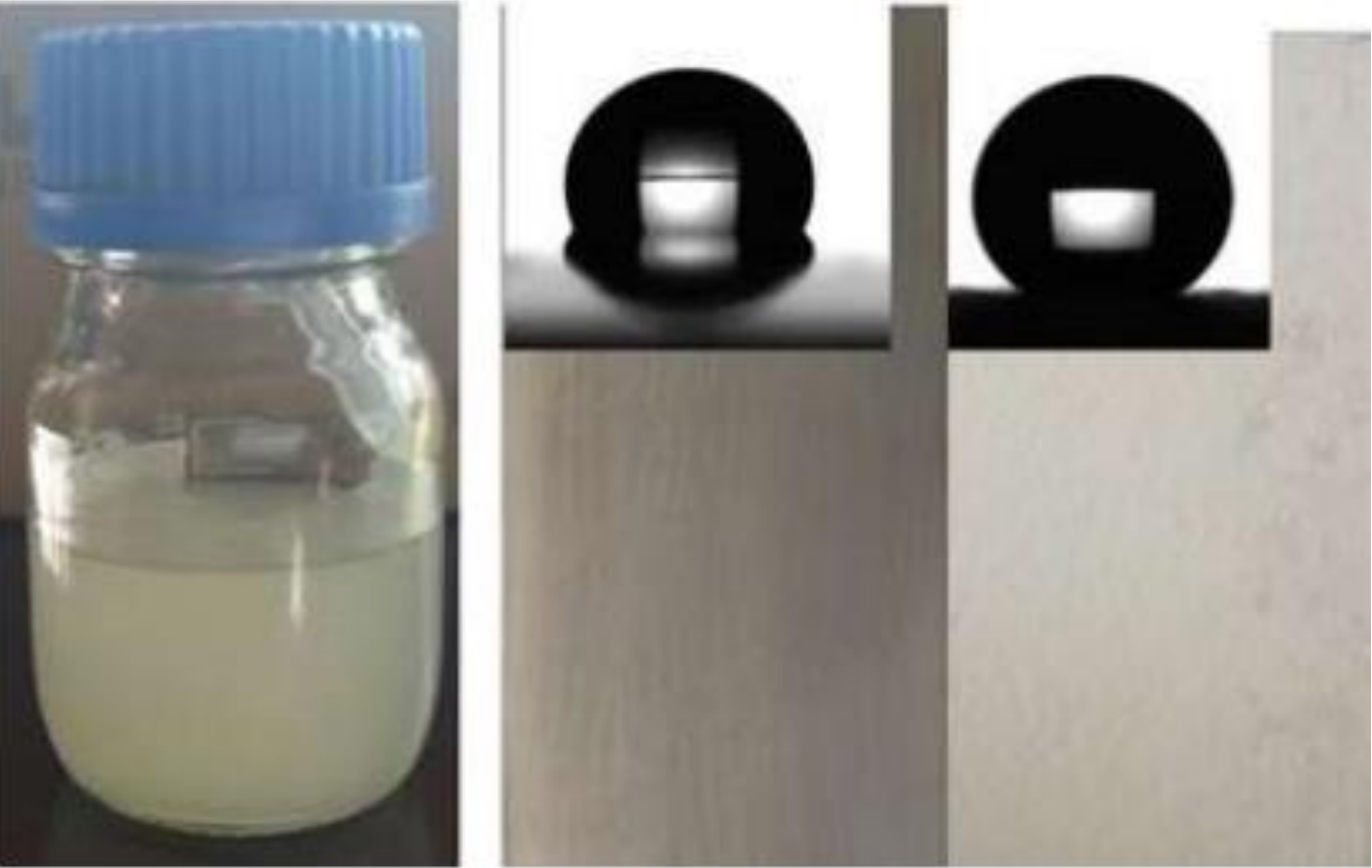
润滑剂
 润滑油添加剂
 自润滑材料
自润滑材料
 密封材料
密封材料
 新兴材料
新兴材料
 加工设备
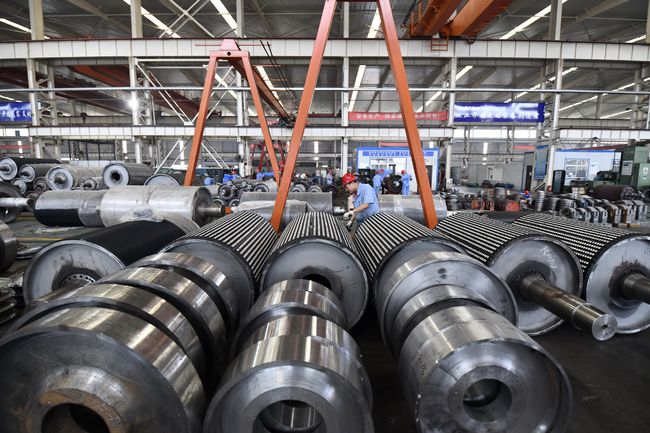
加工设备
 摩擦试验机
摩擦试验机
 大型表征仪器
 小型测试设备