Tribological failure on friction stir welding (FSW) joints severely undermines the structural integrity and service lifetime of welded components, posing significant safety concerns. In this paper, an original duplex Cu@Ni-P-C composite coating was fabricated on the 6061 aluminum alloy FSW joint surface through electrodeposition technology. Compared to the Cu@Ni-P coating, the Cu@Ni-P-C coating exhibited a bilayer architecture comprising an intermediate Cu layer (~4.5 μm) and an outer Ni-P-C layer (~2.5 μm). In the ZrO 2 ball-on-disc wear testing, the Cu@Ni-P-C composite coating demonstrated good tribological performance, exhibiting a stable average coefficient of friction (COF) of 0.58 and an exceptionally low wear rate of 0.12 mm 3N -1m -1. The incorporated carbon particles significantly enhanced both the microhardness and anti-wear property of the outer Ni-P-C layer. The intermediate Cu layer and carbon particles in the Ni-P-C layer acted synergistically, enhancing both self-lubrication and friction reduction. The Cu@Ni-P-C coating achieved a roughly 11.6% increase in microhardness and suppressed the wear rate by 76.0% relative to the Cu@Ni-P coating. The primary wear mechanisms observed in the Cu@Ni-P-C coating were abrasive wear, adhesive wear, and oxidative wear. Overall, the bilayer structural design and carbon reinforcement strategy proposed in this study offer a novel approach for surface protection of FSW joints. The fabricated Cu@Ni-P-C composite coating also demonstrates considerable promise for critical engineering applications in aerospace and rail transportation systems to enhance surface durability.
周老师: 13321314106
王老师: 17793132604


邮箱号码: lub@licp.cas.cn





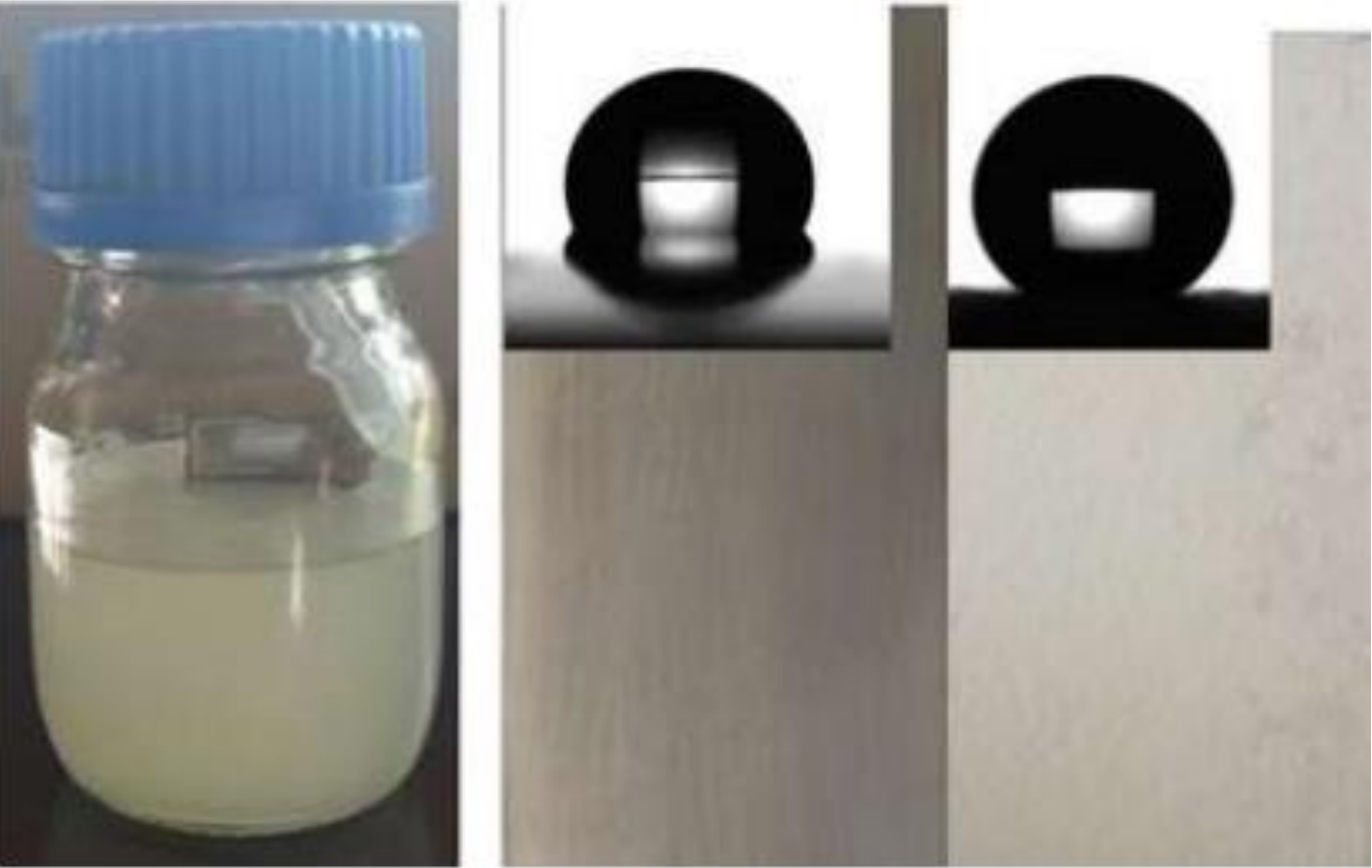
 润滑剂
润滑剂
 润滑油添加剂
 自润滑材料
自润滑材料
 密封材料
密封材料
 新兴材料
新兴材料
 加工设备
加工设备
 摩擦试验机
摩擦试验机
 大型表征仪器
 小型测试设备