The purpose of this study is to investigate the influence of copper content and cutting parameters on the microstructure, hardness, machinability, and cutting-force behavior of sand-cast Al–Cu alloys under minimum quantity lubrication (MQL) conditions. In this study, workpieces obtained using the sand mold casting method were tested using the minimum quantity lubrication (MQL) method on a lathe. Five different test specimens were produced by adding copper to aluminum. The microstructures were examined via optical microscope, and hardness values were determined using Brinell hardness. Due to significant production and energy costs, the MQL method was preferred for metal cutting. Cutting forces generated during the process were measured using a dynamometer and analyzed in terms of feed rate, cutting velocity, and workpiece material using a full factorial analysis. Additionally, wear mechanisms on the cutting tool were determined using scanning electron microscope (SEM) images and Energy Dispersive Spectrum (EDS) analysis. The lowest hardness value was 34 HB in pure aluminum, while the highest was 95 HB in Al-8Cu alloy. Cutting forces increased with feed rate across all samples and decreased with higher cutting velocity. The highest cutting force (216.03 N) and feed force (26.90 N) were found in the Al-8Cu alloy, whereas the lowest cutting force (54 N) and feed force (6.07 N) were in pure aluminum. SEM and EDS analysis revealed flank wear and adhered aluminum on the cutting tools. Regression analysis verified that cutting velocity is the most critical factor influencing cutting and feed forces, with material type and feed rate also playing significant roles. Regression and ANOVA analyses consistently identified cutting velocity as the dominant factor affecting cutting and feed forces, followed by material type and feed rate.
周老师: 13321314106
王老师: 17793132604


邮箱号码: lub@licp.cas.cn





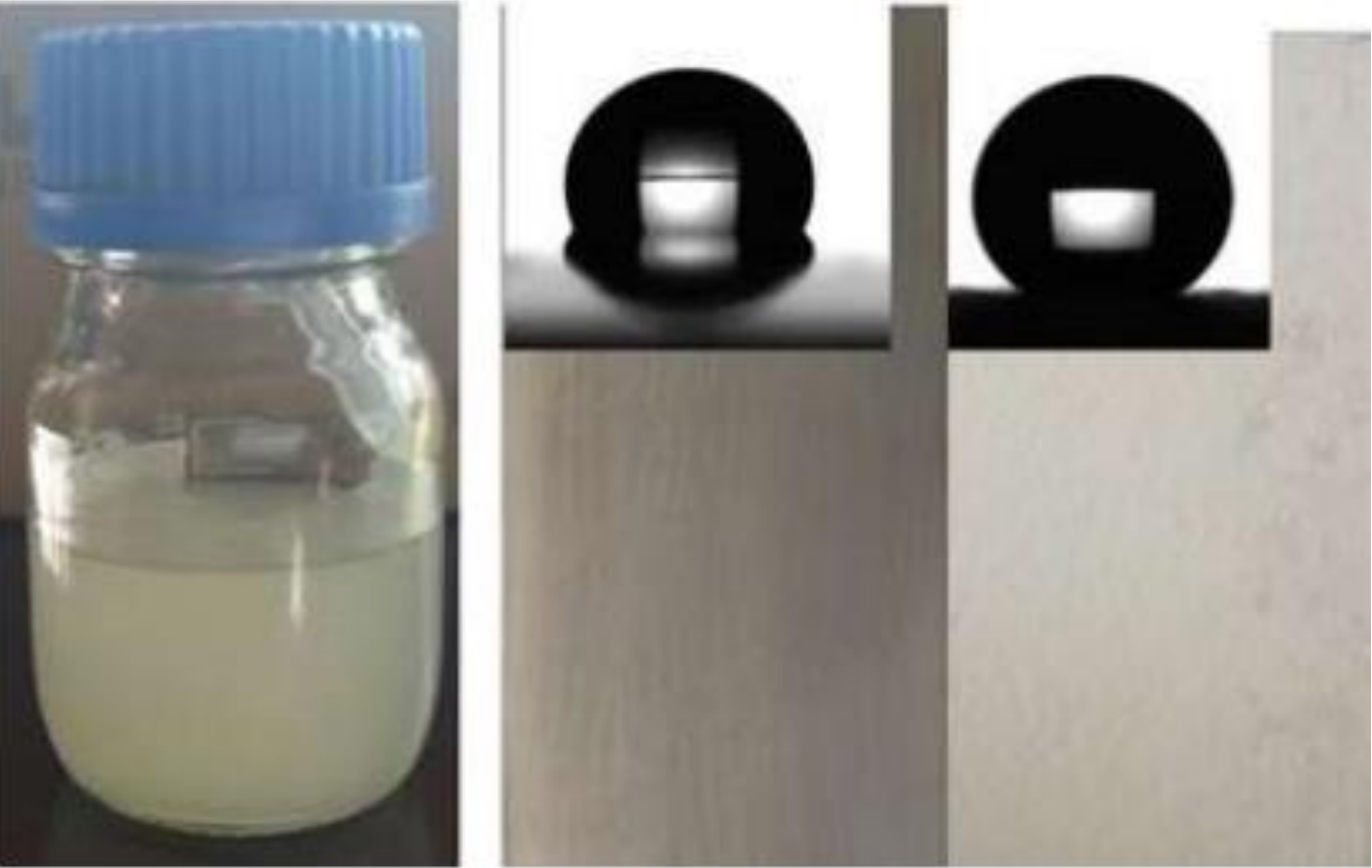
 润滑剂
润滑剂
 润滑油添加剂
 自润滑材料
自润滑材料
 密封材料
密封材料
 新兴材料
新兴材料
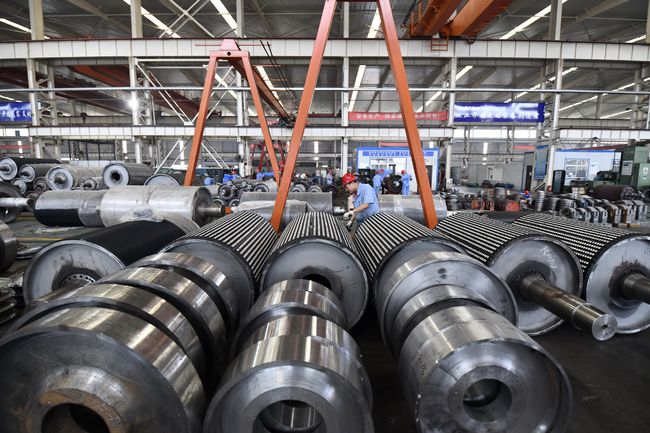 加工设备
加工设备
 摩擦试验机
摩擦试验机
 大型表征仪器
 小型测试设备