Polytetrafluoroethylene (PTFE) is widely used across various industrial and technological fields, including aerospace, automotive, electronics, and chemical processing. This work presents a sustainable approach to reusing PTFE waste and enhancing the limited applications of PTFE, which are constrained by its inferior mechanical properties, thermal expansion, and wear resistance. The reuse of PTFE scrap produced by lathe shops improves its previously mentioned properties by adding high-strength and high-stability ceramics. In this context, powder metallurgy technology produces PTFE-based composites reinforced with boron carbide (B4C) nanoparticles and graphene nanosheets. The phase composition and microstructure were determined using X-ray diffraction (XRD) and field emission scanning electron microscopy (FESEM) techniques. XRD indicated the presence of PTFE and B4C phases in the chart of the specimens and the absence of graphene nanosheets due to their small quantity. The hybrid composite PTFE/5vol.% B4C/1 vol% graphene (GB6) recorded an increase in the microhardness, compressive stress, and Young’s modulus of 138.55%, 114.86%, and 78.70%, respectively, relative to the PTFE matrix (GB0). The results also indicated that the addition of reinforcements led to a significant improvement in wear resistance and thermal stability, with the GB6 sample recording a decrease in wear rate, coefficient of friction, and thermal expansion coefficient (CTE) value of 40.73%, 42.49%, and 57.94%, respectively, compared to the CB0 sample. Moreover, the addition of reinforcements to the PTFE matrix has the positive effect of increasing the electrical conductivity.
周老师: 13321314106
王老师: 17793132604


邮箱号码: lub@licp.cas.cn





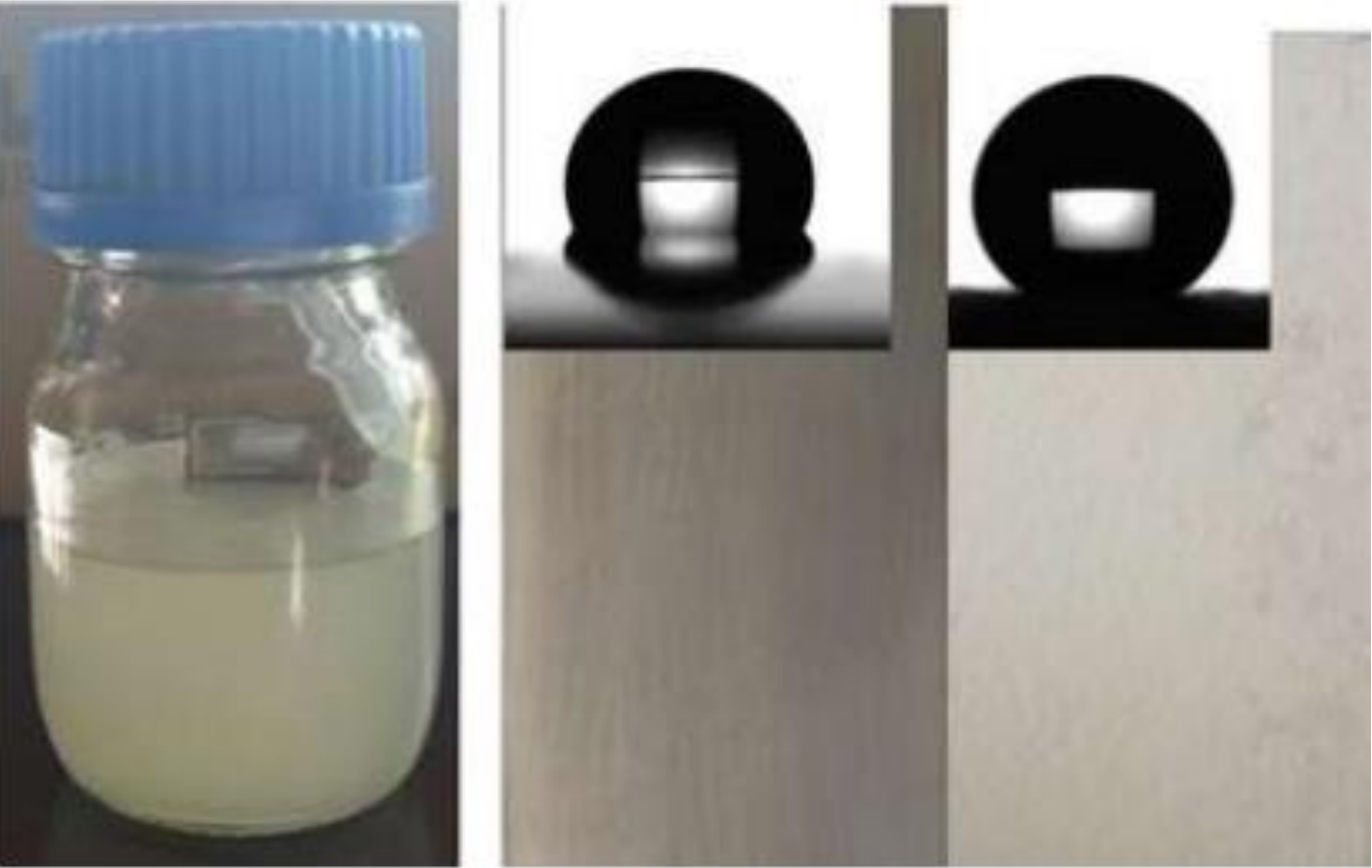
 润滑剂
润滑剂
 润滑油添加剂
 自润滑材料
自润滑材料
 密封材料
密封材料
 新兴材料
新兴材料
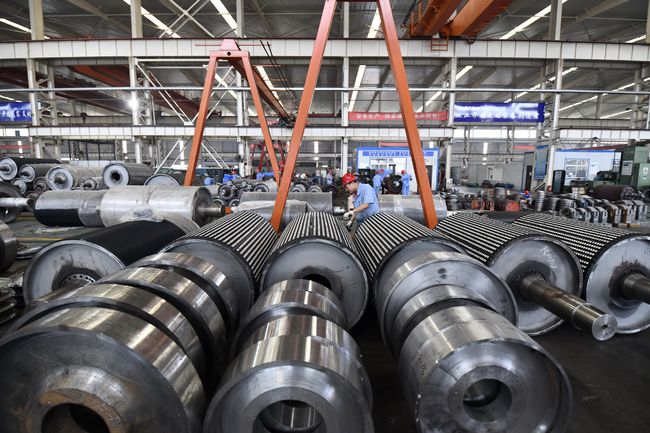 加工设备
加工设备
 摩擦试验机
摩擦试验机
 大型表征仪器
 小型测试设备