To fill the research gap on the wear behavior of water-lubricated stave bearings (WLSBs) under mixed lubrication conditions, a transient friction–wear model was developed by coupling a transient mixed lubrication model with a transient wear model, incorporating cavitation effects and evolving surface roughness. Two wear models—a modified Archard wear model and a frictional fatigue wear model—were evaluated, and the excellent predictive accuracy of the fatigue-based wear model was confirmed through comparison with equivalent experimental results. Based on this framework, two single-parameter optimization strategies targeting curvature radius and inclination angle of staves were proposed, and their sensitivity to key parameters (number of staves and stave width ratio) was analyzed. Subsequently, a dual-parameter optimization was conducted, and its effectiveness in performance improvements was quantitatively assessed. The results indicate that a negative stave curvature radius coefficient (concave staves) combined with a small number of staves (≤8) and a large stave width ratio, or a moderate inclination angle (0.01°-0.04°) with commonly used stave numbers (6-10) across a wide range of width ratios, can enhance the mixed lubrication and anti-wear performance of WLSBs compared with untreated ones. Moreover, the findings reveal that dual-parameter optimization outperforms single-parameter strategies, particularly in wear reduction, achieving an additional 19–42% decrease in wear volume under the current operating conditions. This work provides meaningful insights into the design of high-performance water-lubricated bearing systems in engineering applications.
周老师: 13321314106
王老师: 17793132604


邮箱号码: lub@licp.cas.cn




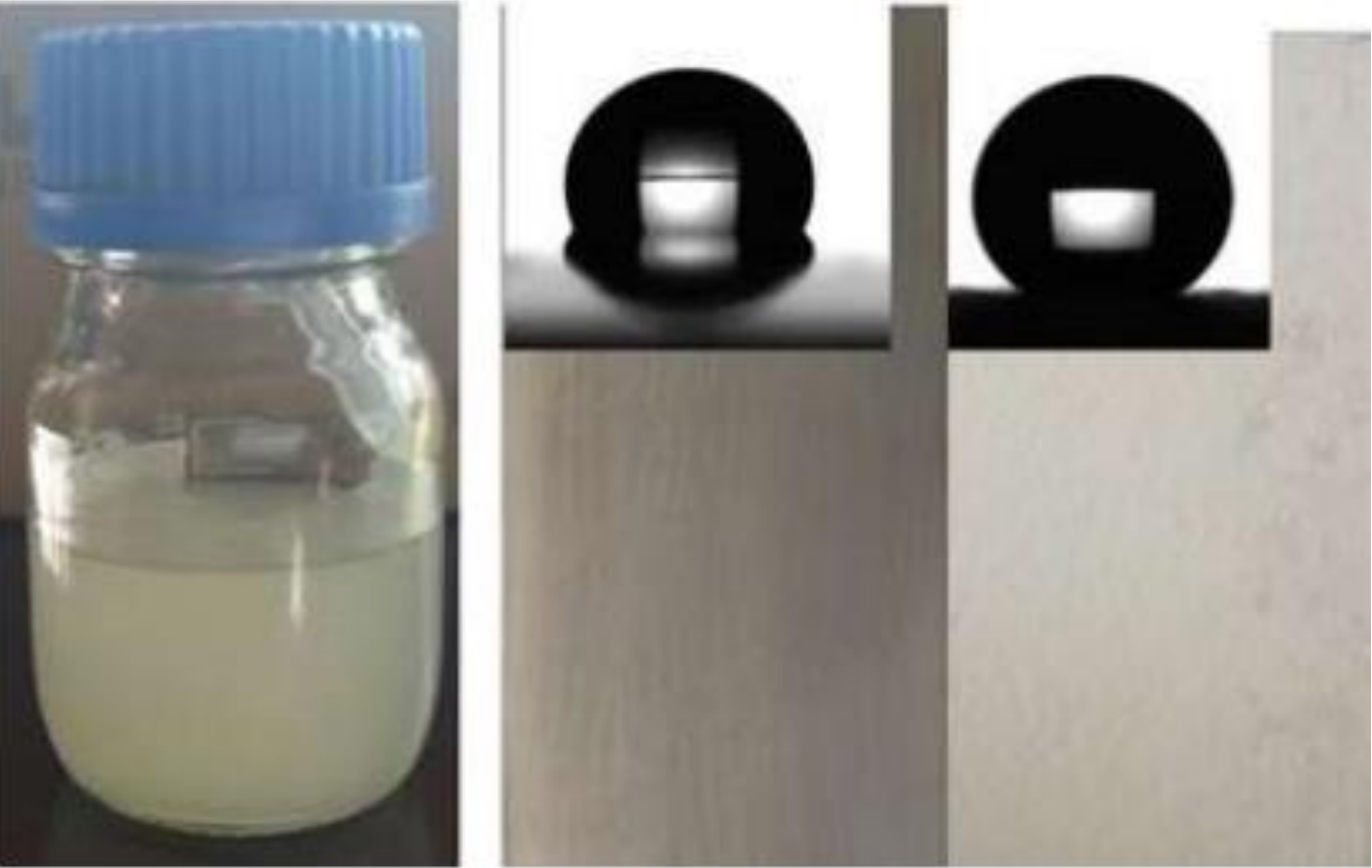
 润滑剂
润滑剂
 润滑油添加剂
 自润滑材料
自润滑材料
 密封材料
密封材料
 新兴材料
新兴材料
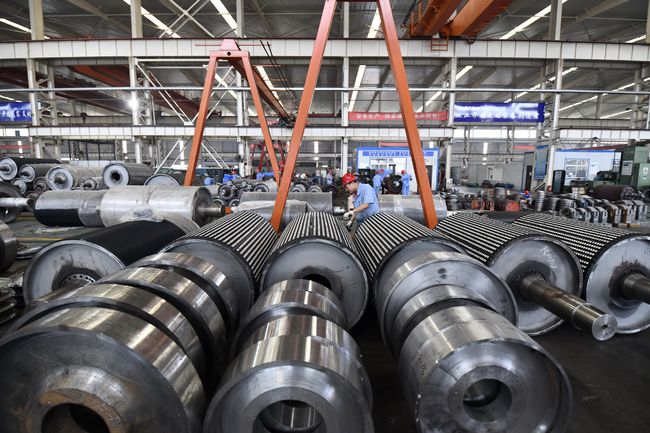 加工设备
加工设备
 摩擦试验机
摩擦试验机
 大型表征仪器
 小型测试设备