Aluminium based nanocomposites are promising candidates for different automotive parts like brake discs, clutch plates, cams and aerospace components like actuator joints, landing gear bushings, rotors, etc., where high strength-to-weight ratio and dry sliding wear resistance are critically important. Since these components frequently get exposed to dry sliding tribological environments like high sliding speed as well as longer sliding distance, understanding their dry sliding wear and friction characteristics is essential for reliable material design and performance of these components. Therefore, the purpose of the current study is to examine the effect of sliding speeds and distances on dry sliding tribological response on LM6-1.5 wt.% Si 3N 4 nanocomposite. Nanocomposite is synthesized through ultrasonic assisted stir casting (USC). Microstructural characterizations are evaluated through optical microscopy, FESEM, EDX, XRD and elemental mapping to assess successful incorporation and distribution of Si 3N 4 Nanoparticles. Pin-on-disc experiment is conducted by using EN31 steel disc as the counterface across sliding speed and distance ranging between 0.25 to 1.25 m/s and 300 to 3000 m respectively. Incorporation of Si 3N 4 nanoparticles enhanced wear resistance around 30 - 40% compared to base alloy under experimental conditions, indicating improved load-bearing ability and resistance to plastic deformation. Worn surfaces and wear debris are further analyzed through FESEM and EDX to evaluate the primary wear mechanisms. Typical observation of worn surfaces depicts how particle incorporation suppresses delamination as well as adhesion and shifts towards abrasion. This mechanistic change renders a new approach for tailoring material design in tribological applications.
周老师: 13321314106
王老师: 17793132604


邮箱号码: lub@licp.cas.cn





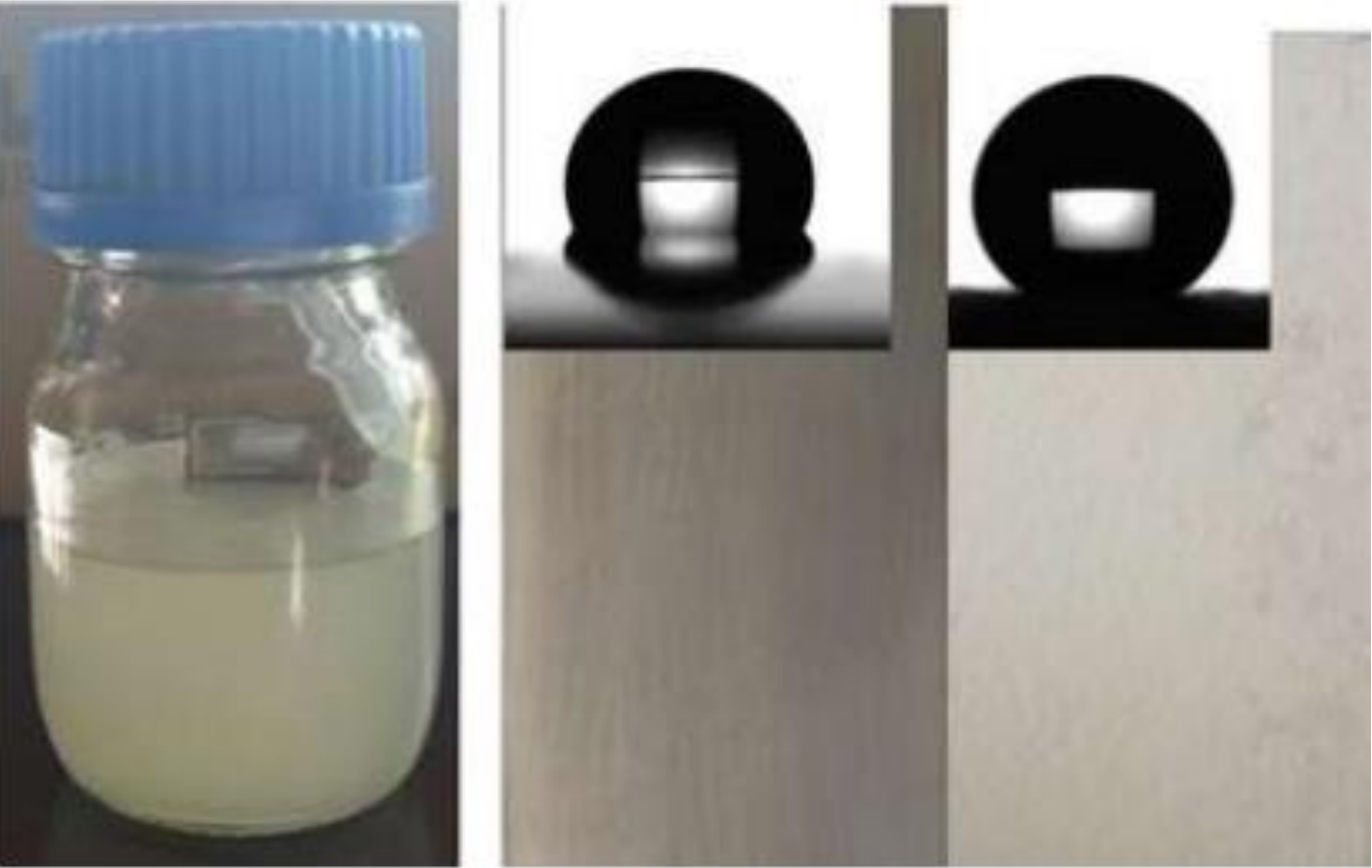
 润滑剂
润滑剂
 润滑油添加剂
 自润滑材料
自润滑材料
 密封材料
密封材料
 新兴材料
新兴材料
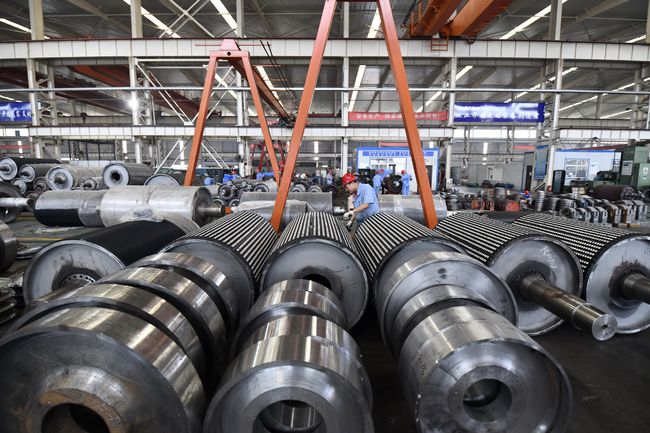 加工设备
加工设备
 摩擦试验机
摩擦试验机
 大型表征仪器
 小型测试设备