Titanium (Ti) and its alloys are widely used in biomedical implants owing to their excellent mechanical strength, corrosion resistance, and biocompatibility. However, their bioinertness, lack of antibacterial capability, poor tribological performance, and susceptibility to long-term corrosion all limit their clinical durability. Micro-arc oxidation (MAO) has emerged as a cost-effective surface-modification technique capable of addressing these challenges through producing ceramic-like coatings with tunable structural and functional features. The thickness, porosity, roughness, and phase composition of the coatings are strongly influenced by electrical parameters (e.g., voltage, current mode, frequency, duty cycle) and electrolyte composition (e.g., silicate-, phosphate-, and aluminate-based systems). These features establish critical structure–property relationships that underpin corrosion protection, tribological behaviour, and biological function. Although the intrinsic microstructure of MAO coatings provides partial functional improvement, enhancement is commonly achieved through dopants. Metallic ions, nanoparticles, ceramic oxides and carbides, carbon-based materials, transition-metal dichalcogenides, and bioactive molecules each provide specific benefits, including antibacterial activity, improved corrosion resistance, enhanced wear performance, and stimulation of osteogenic potential. More recently, co-doping strategies have attracted growing attention, offering synergistic effects for generation of multifunctional coatings. This review critically examines MAO coating-formation mechanisms and the influences of processing variables, with emphasis on dopant incorporation and associated structure–property relationships. Finally, perspectives are presented on future directions to accelerate the clinical translation of MAO-coated Ti implants.
周老师: 13321314106
王老师: 17793132604


邮箱号码: lub@licp.cas.cn




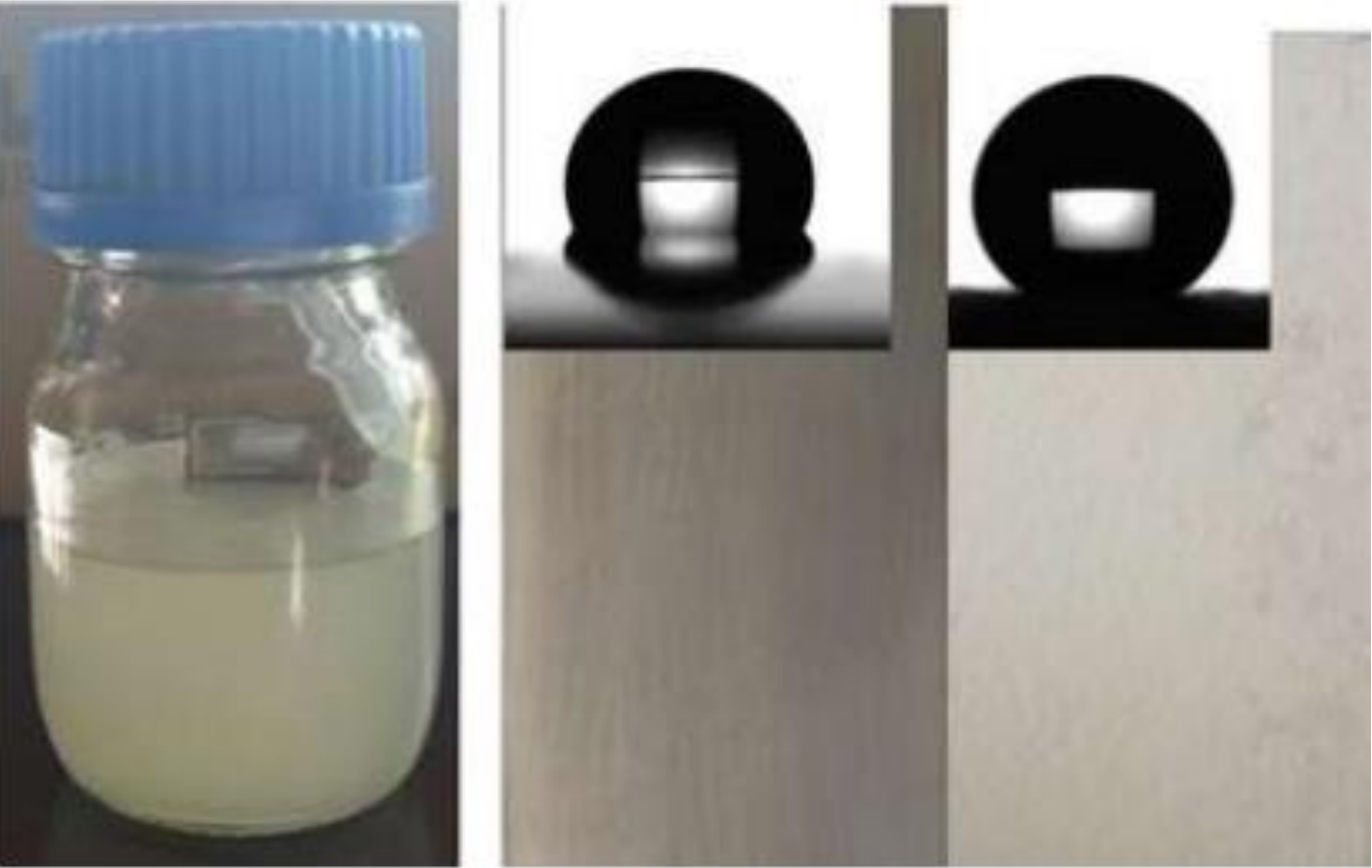
 润滑剂
润滑剂
 润滑油添加剂
 自润滑材料
自润滑材料
 密封材料
密封材料
 新兴材料
新兴材料
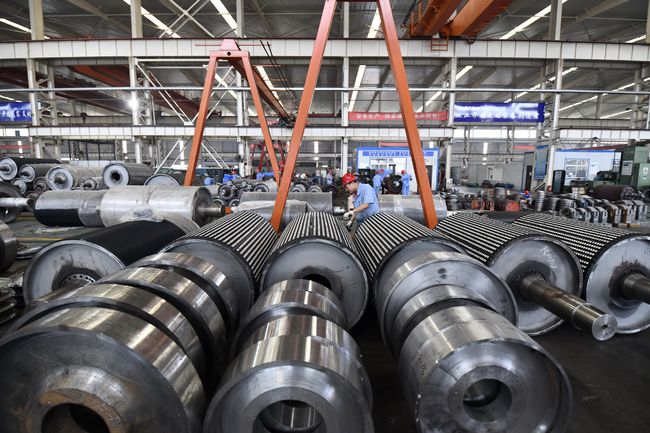 加工设备
加工设备
 摩擦试验机
摩擦试验机
 大型表征仪器
 小型测试设备