During Carbon Fiber Reinforced Polymer (CFRP) countersinking, inevitable wear of tungsten carbide (WC) tools degrades hole quality, critically impacting aircraft skin reliability. This study investigates the tool wear mechanism and its influence on countersinking finish by combining real manufacturing process analysis with simulated ball-on-disk sliding tests under heated conditions. Results demonstrate that thermomechanical coupling-induced oxidation wear is the primary driver of WC tool damage. As processing progresses, a sharp rise in cutting force occurs when the tool surface damage rate exceeds 25%, triggering a transition to severe tribochemical wear. This shift accelerates tool degradation and impairs CFRP countersinking quality. Ultrasonic vibration-assisted machining (UVAM) mitigates wear by reducing tool-composite contact and suppressing oxidation, enhancing CFRP surface quality. These findings advance high-performance CFRP machining strategies.
周老师: 13321314106
王老师: 17793132604


邮箱号码: lub@licp.cas.cn




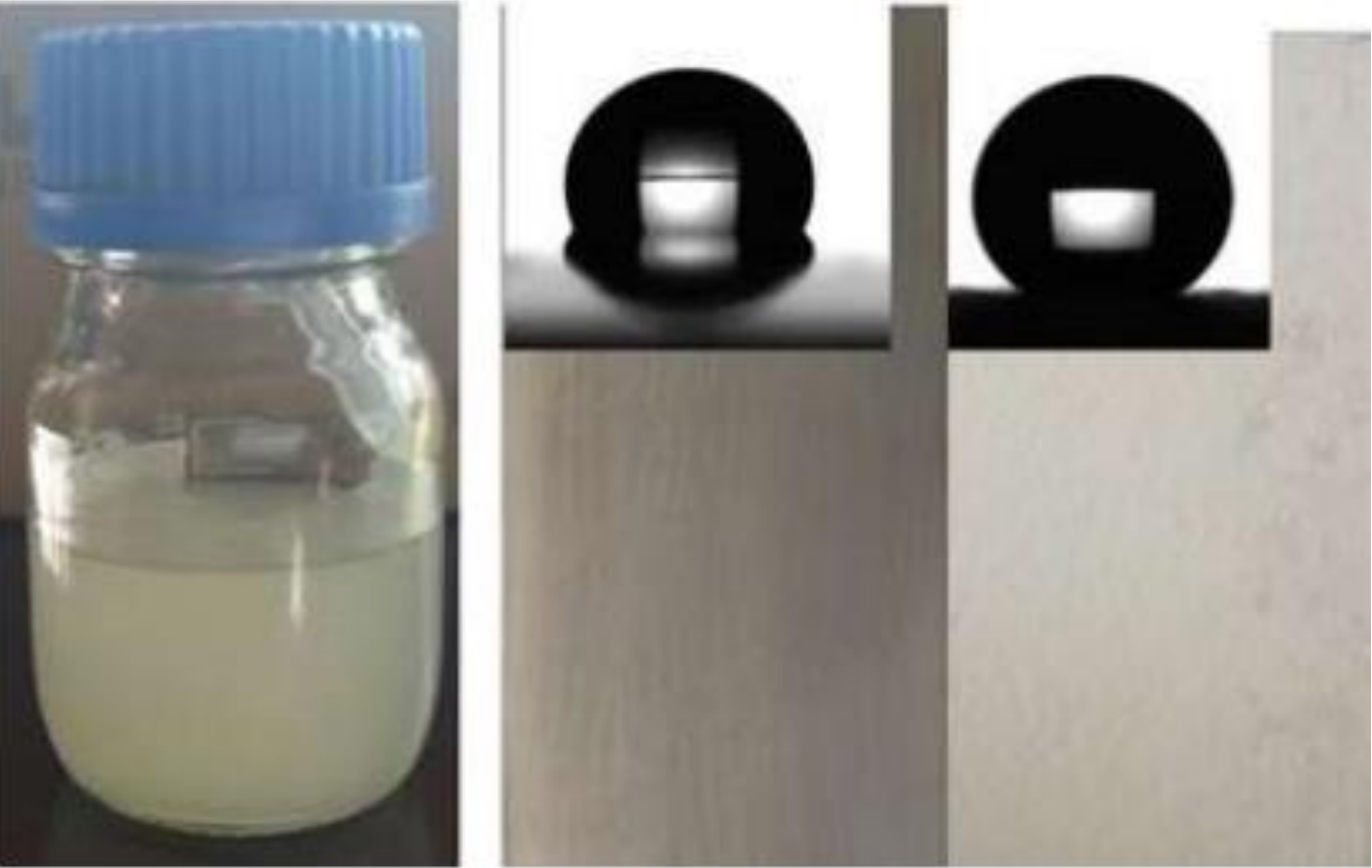
 润滑剂
润滑剂
 润滑油添加剂
 自润滑材料
自润滑材料
 密封材料
密封材料
 新兴材料
新兴材料
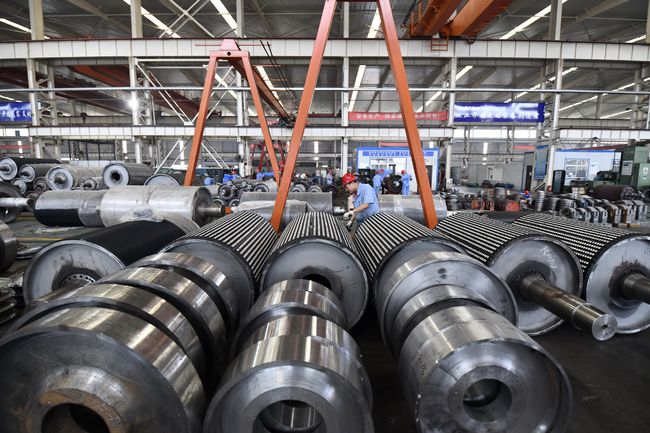 加工设备
加工设备
 摩擦试验机
摩擦试验机
 大型表征仪器
 小型测试设备