MA6000-based superalloys are important materials with potential use in the aerospace and energy sectors due to their enhanced high-temperature strength and structural stability. However, the influence of oxide-dispersion reinforcements such as Y2O3 on the high-temperature wear resistance of these alloys has not been sufficiently clarified in the literature. This study addresses this knowledge gap by systematically revealing the role of Y2O3 addition on the tribological performance. In this research, the wear behavior of MA6000 and MA6000+X% Y2O3 (X; 0.6, 1.2, 1.8 and 2.4 wt.%) superalloys produced from elemental powders by mechanical milling/mechanical alloying (MM/MA) at room temperature was examined. The produced superalloy powders were shaped by cold pressing, raw samples were obtained and then sintered. After metallographic processes, the microstructures of the superalloys were characterized by scanning electron microscopy (SEM), energy-dispersive spectroscopy (EDS), X-ray diffraction (XRD) analysis and density tests. Microhardness measurements were made to determine the effect of the Y2O3 additive phase on mechanical properties. Wear tests were carried out in a block-on-ring type wear device under high-temperature conditions. In the tests, 100, 200, 300 and 400 °C, 5N, 10N and 15N loads and 200 – 1000 m sliding distances were used. As a result of the studies, it was determined that the wear rate increased with the increase in the applied load in all superalloys and wear temperatures. As the temperature increased, the abrasion weight loss increased. As the amount of Y2O3 additive phase increased, the weight loss decreased, and the friction coefficient increased. These trends are attributed to the dispersion of hard Y2O3 particles within the MA6000 matrix, which enhances microstructural stability and promotes the formation of more stable oxide layers during high-temperature sliding, thereby reducing material removal while increasing interfacial friction. The highest weight loss was observed in MA6000 superalloy at 15N load at 400 °C. The MA6000+2.4 wt.% Y2O3 alloy exhibited the lowest weight loss and wear rate across all temperatures and loads, indicating superior high-temperature wear resistance. Furthermore, although Y2O3 addition increased the coefficient of friction, increasing temperature and load generally led to a decreasing trend in friction. Wear surface analyses showed that delamination and oxide-layer fracture were the dominant wear mechanisms, becoming more evident with higher Y2O3 content.
周老师: 13321314106
王老师: 17793132604


邮箱号码: lub@licp.cas.cn




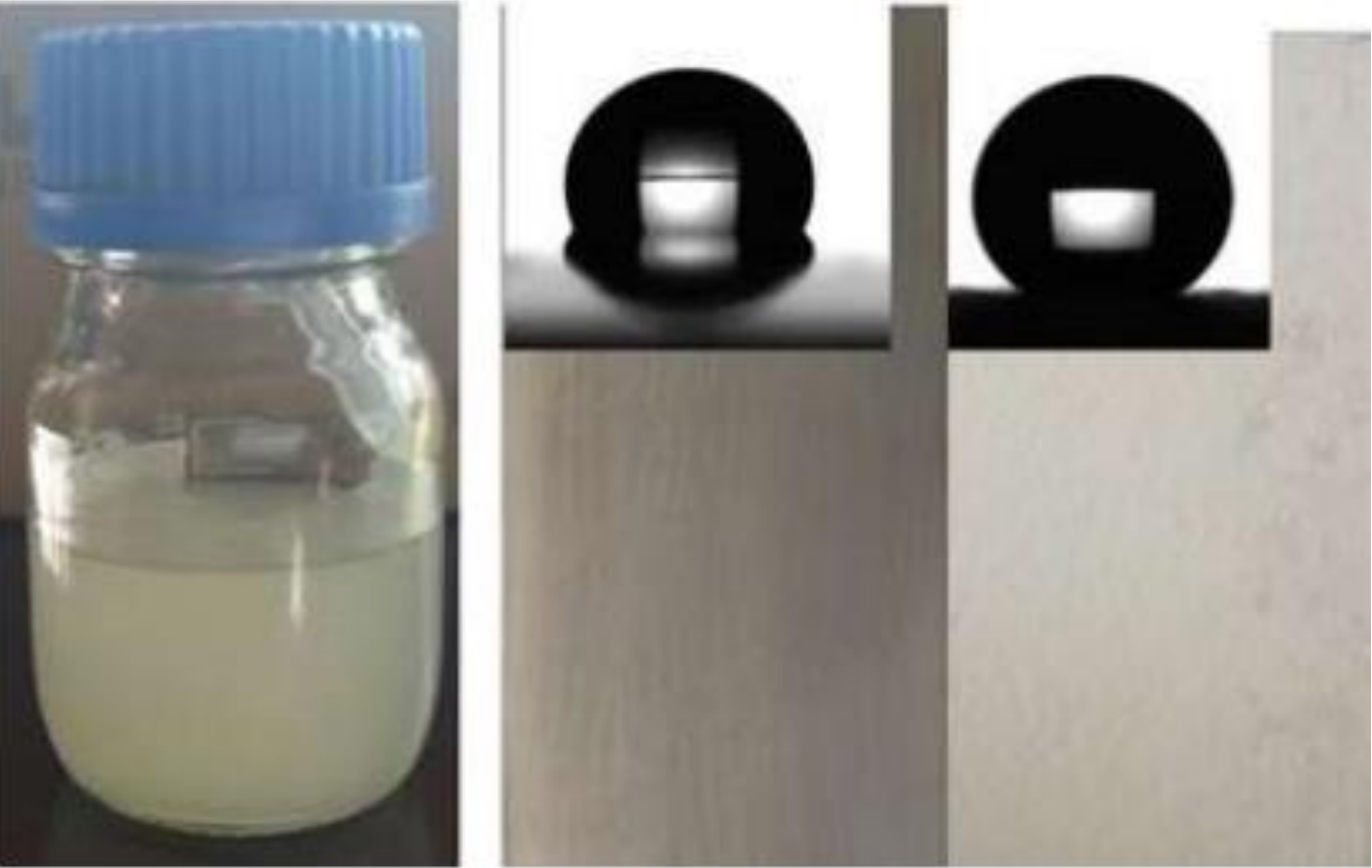
 润滑剂
润滑剂
 润滑油添加剂
 自润滑材料
自润滑材料
 密封材料
密封材料
 新兴材料
新兴材料
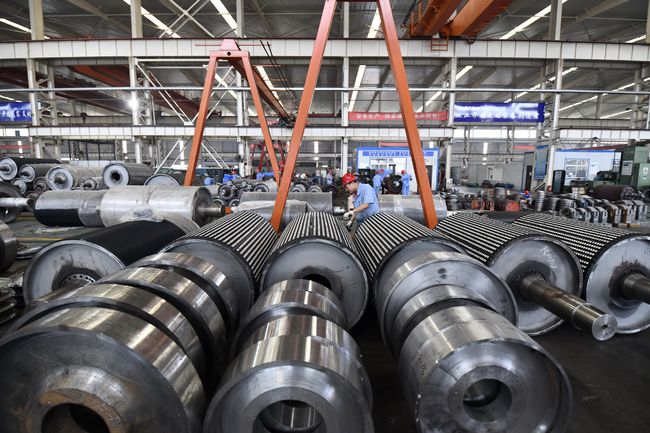 加工设备
加工设备
 摩擦试验机
摩擦试验机
 大型表征仪器
 小型测试设备