This study investigated the environmental effect on the tribocorrosion behavior of cobalt chromium molybdenum (CoCrMo) alloy using atomic force microscopy (AFM)-based nano-tribology under three environmental conditions: (1) air, (2) phosphate-buffered saline (PBS), and (3) bovine serum albumin (BSA) in PBS. Cyclic single-line scratches (8 μm) were generated using an AFM diamond tip (nominal radius 340 nm) under normal forces ranging from 137 to 170 μN (14.1 to 15.2 GPa stress). Tribological performance in solution-based conditions demonstrated significantly lower wear compared to air, contrary to the widely-accepted synergy of wear and corrosion. After 400 scratches, wear depth in air reached 62 nm, but reduced to 12 nm in PBS and further decreased to 7 nm in BSA. Similarly, wear volume in air (0.047 μm 3), was 8 times greater than in PBS (0.0061 μm 3) and 23 times greater than in BSA (0.0018 μm 3) (p < 0.0001). Likewise, tests in air produced a greater volume of wear debris (0.116 μm 3) than PBS (0.0076 μm 3) and BSA (0.0018 μm 3). Introducing fluid and albumin may alter the mechanical and electrochemical environment of CoCrMo oxide films to reduce wear. Unidentified proteinaceous aggregates in BSA environment suggest that proteins lubricate the surfaces and/or interacts with wear debris or ions.
周老师: 13321314106
王老师: 17793132604


邮箱号码: lub@licp.cas.cn




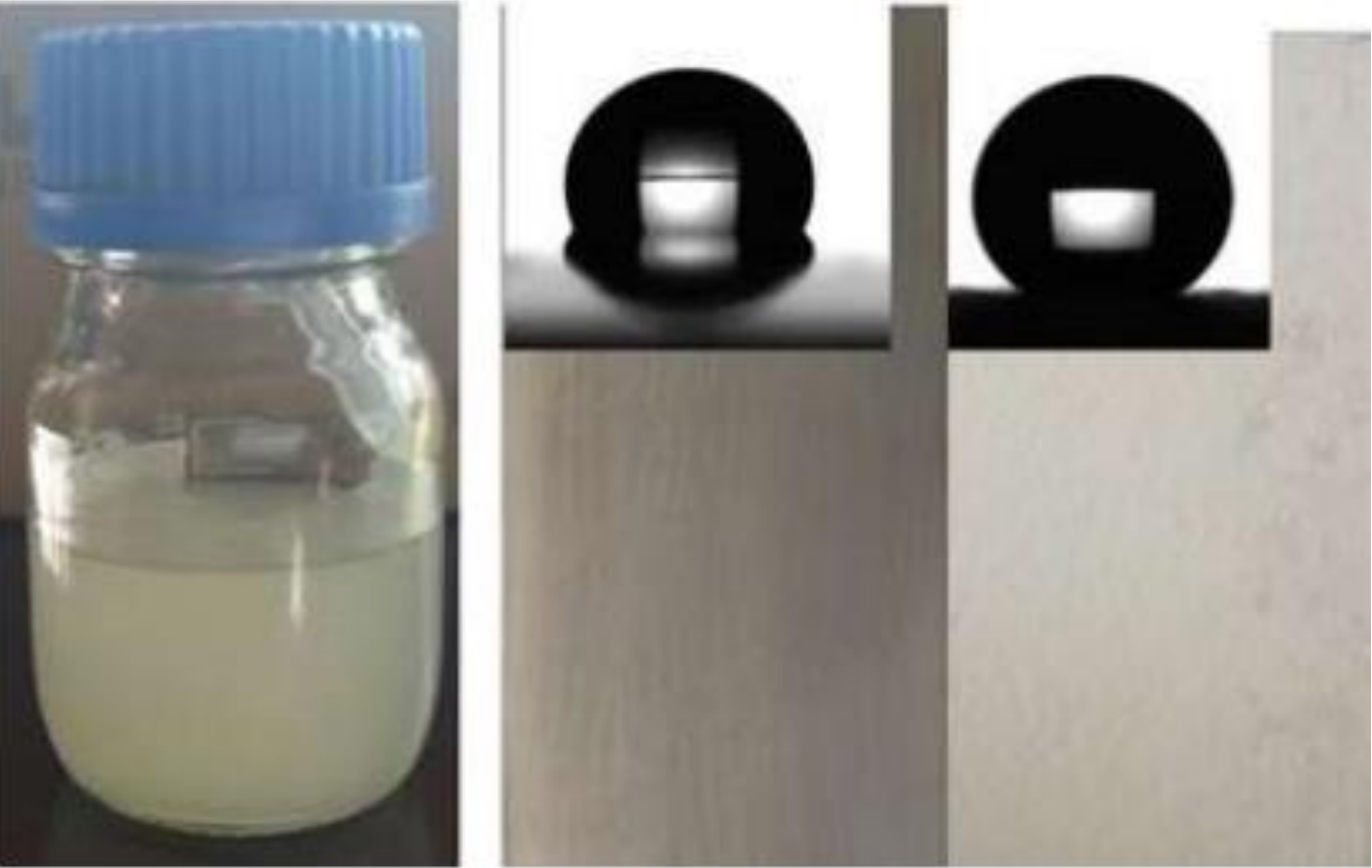
 润滑剂
润滑剂
 润滑油添加剂
 自润滑材料
自润滑材料
 密封材料
密封材料
 新兴材料
新兴材料
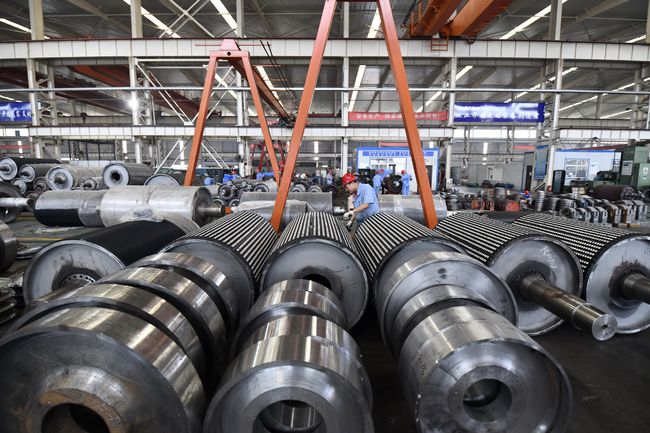 加工设备
加工设备
 摩擦试验机
摩擦试验机
 大型表征仪器
 小型测试设备