This study investigates the incorporation of anodizing aluminum waste (AAW), primarily aluminum hydroxide, into commercial brake pad friction materials. Four formulations were evaluated: a reference benchmark, one with 12% unsieved AAW, and two with 6% and 12% sieved AAW. Samples were produced by hot pressing and characterized in terms of wear, friction behavior, and particulate matter (PM) emissions using a sub-scale dynamometer and a 168-cycle braking protocol based on the AK Master standard. To assess the environmental implications of AAW addition and the associated drying step, a life cycle assessment (LCA) was also conducted. The results revealed that increasing AAW content led to larger friction coefficient fluctuations and higher sensitivity to pressure and sliding speed, with the 12% AAW formulations showing the greatest instability. The mean coefficient of friction under mild braking conditions decreased with AAW incorporation. In terms of wear, the 6% AAW formulation achieved performance comparable to the reference, whereas 12% AAW increased pad wear; disc wear remained unaffected across all compositions. Importantly, PM emissions from AAW-containing materials were similar to or lower than those of the reference, regardless of AAW content or sieving. LCA demonstrated that replacing alumina with AAW consistently reduced environmental impacts across all categories. Overall, among the tested compositions, the 6% AAW formulation provided the best compromise between tribological stability and environmental benefits, supporting both the technical feasibility and the sustainability potential of incorporating AAW into friction material manufacturing within an industrial symbiosis framework.
周老师: 13321314106
王老师: 17793132604


邮箱号码: lub@licp.cas.cn




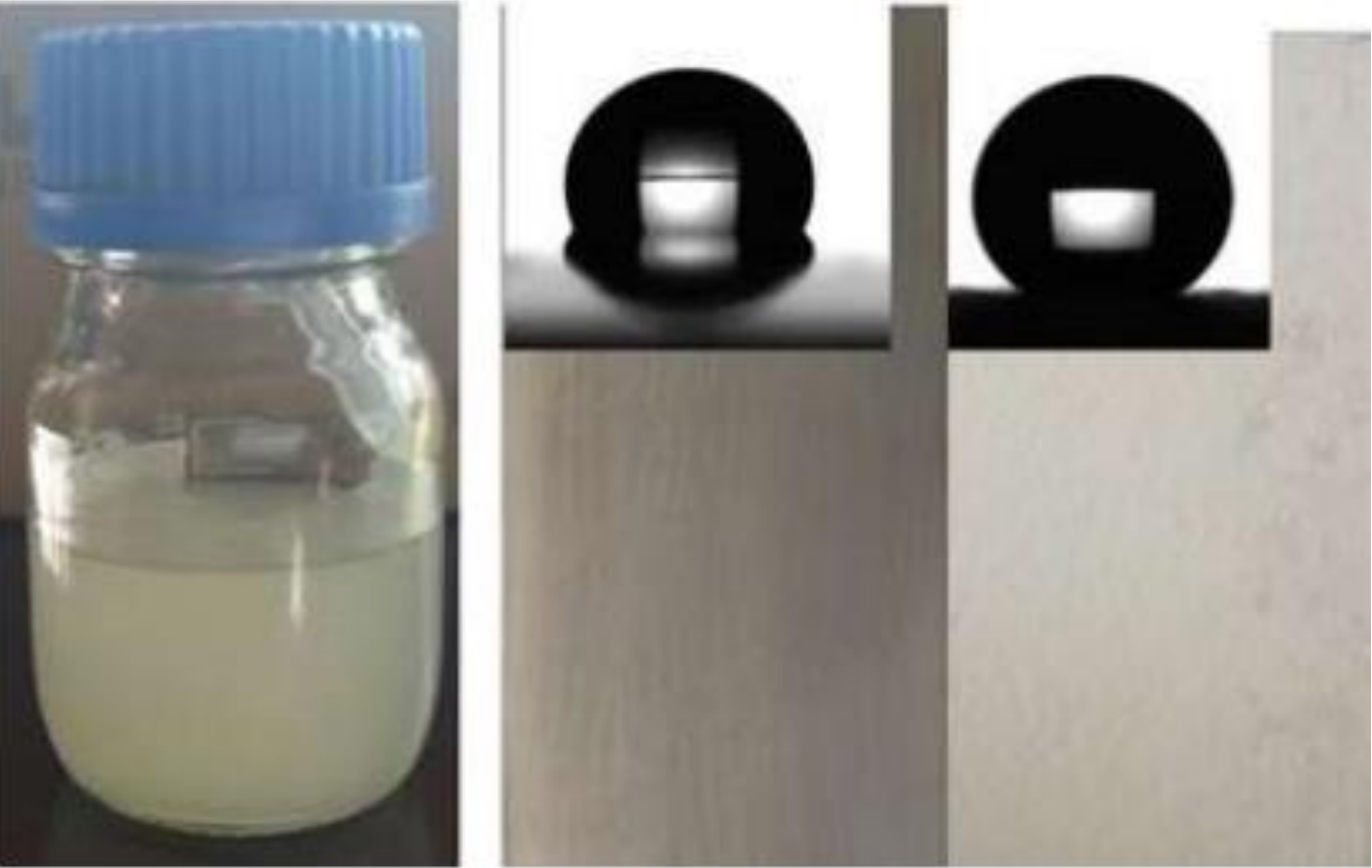
 润滑剂
润滑剂
 润滑油添加剂
 自润滑材料
自润滑材料
 密封材料
密封材料
 新兴材料
新兴材料
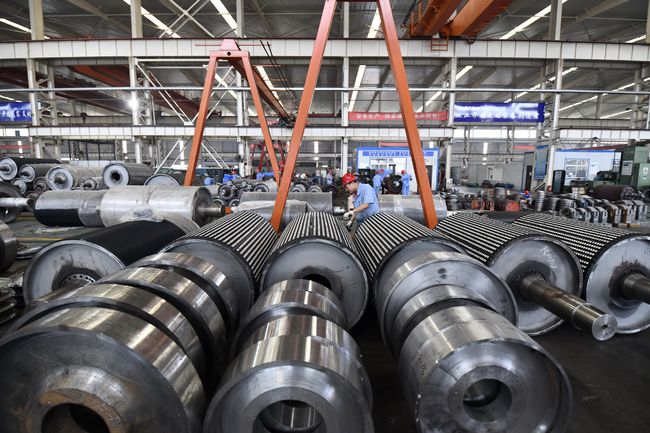 加工设备
加工设备
 摩擦试验机
摩擦试验机
 大型表征仪器
 小型测试设备