In this study, the grain size of the near-surface layer in carburized steel is refined to the submicron level by adjusting the parameters of carburizing heat treatment. The tribological test results indicate that the formation of a submicron-grained carburized layer reduces the average coefficient of friction from 0.75 to 0.54 and decreases the wear volume by approximately 40%. Compared to the sample with non-sub-micron crystal region (NSMCR), the sample with sub-micron crystal region (SMCR) exhibits less severe oxidative and adhesive wear, along with narrower and shallower wear tracks. The microscopic wear mechanisms of the wear tracks are examined through a combination of focused ion beam (FIB) sample preparation, transmission electron microscopy (TEM), and transmission Kikuchi diffraction (TKD). The carbides within the carburized layer of M50NiL steel provide structural support to the matrix, with notable deformation and increased dislocation density observed in surface carbides. Under cyclic loading during the tribological process, the surface grains in the carburized layer of M50NiL steel undergo nanocrystallization, significantly enhancing the surface hardness and mitigating further wear of the matrix. The SMCR sample exhibits a higher density of dispersed carbides and a greater degree of martensitic nanocrystallization in the wear layer, accompanied by reduced texture intensity. This is attributed to the enhanced precipitation of temper carbides promoted by the abundant grain and subgrain boundaries in the carburized layer of SMCR, which refines the martensite grains, improves the resistance to plastic deformation, and increases the randomness of grain orientation. By contrast, the wear track of the NSMCR sample exhibits stronger texture, with the long axes of martensite grains aligned parallel to each other and perpendicular to the sample surface. This alignment reduces the ability of the subsurface layer to resist crack propagation during wear.
周老师: 13321314106
王老师: 17793132604


邮箱号码: lub@licp.cas.cn




 润滑剂
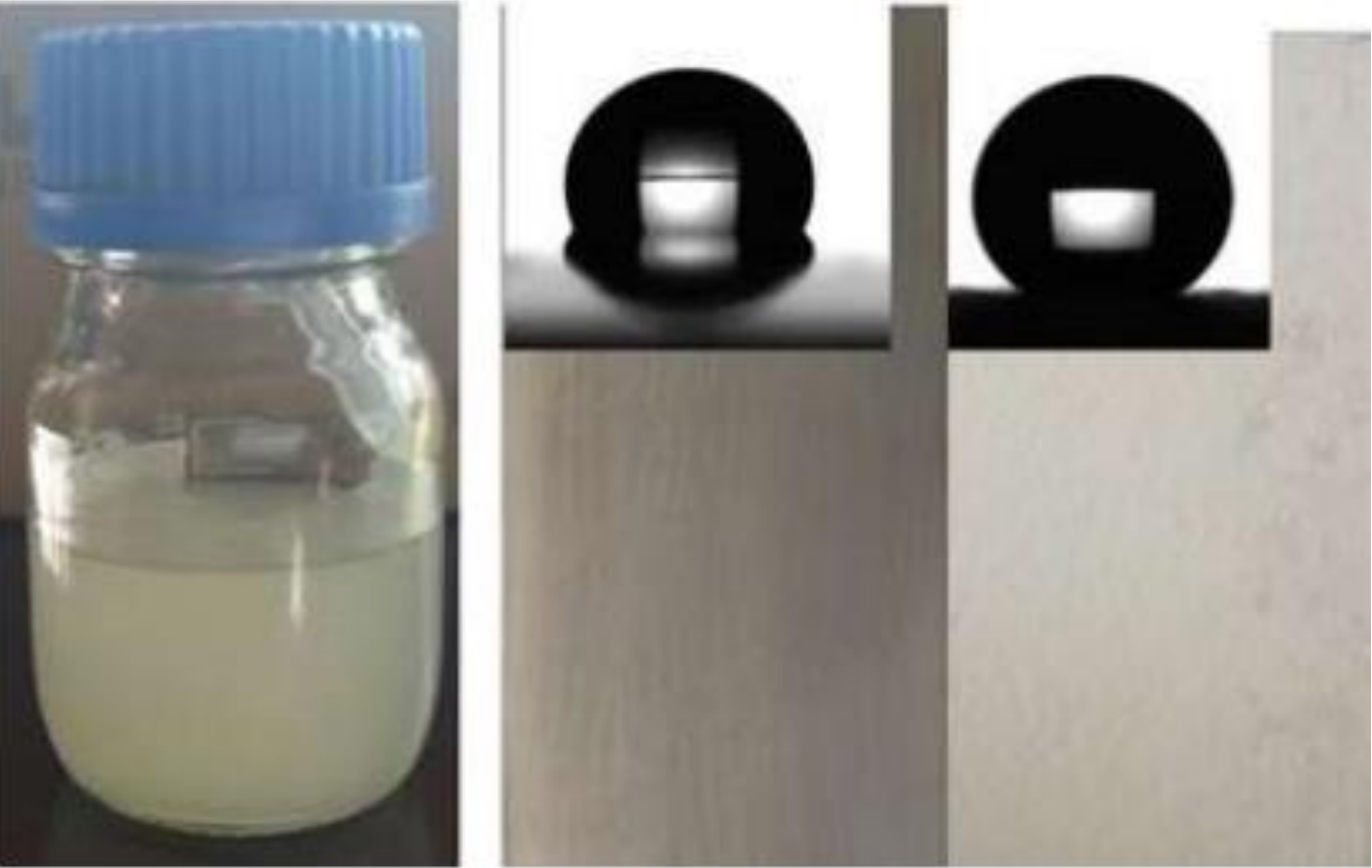
润滑剂
 润滑油添加剂
 自润滑材料
自润滑材料
 密封材料
密封材料
 新兴材料
新兴材料
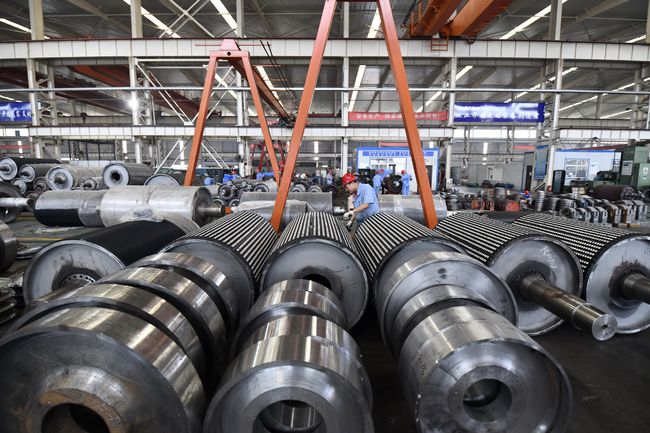 加工设备
加工设备
 摩擦试验机
摩擦试验机
 大型表征仪器
 小型测试设备