Developing flexible sensing materials that integrate high conductivity, mechanical robustness, self-healing capabilities, and environmental stability remains a critical challenge for next-generation wearable electronics. However, conventional hydrogels often suffer from intrinsic trade-offs between these properties and are prone to freezing-induced deactivation. Herein, a multifunctional POAL hydrogel was engineered via a synergistic strategy combining the double-helix network of agar, dynamic Schiff base crosslinking of oxidized sodium alginate (OSA), and ionic coordination of LiCl. This unique multi-network architecture endows the hydrogel with outstanding comprehensive properties, including a tensile strength of 111.9 kPa, an elongation at break of 158%, and a self-healing efficiency of 48.9%. Notably, the hydrogel exhibits exceptional ionic conductivity (2.25 S/m and anti-freezing tolerance down to −42.1 °C, ensuring reliable operation in harsh environments. Leveraging its excellent rheological properties, micro-triangular pyramidal arrays were precisely fabricated via Digital Light Processing (DLP) 3D printing to construct a high-performance triboelectric nanogenerator (POAL-TENG). By maximizing the effective contact area, the device achieved a peak output voltage of 239.9 V and a superior pressure sensitivity of 89.14 mV Pa −1, effectively harvesting mechanical energy. Furthermore, to realize intelligent sensing, a hybrid Deep Learning model (ResNet-18 + Bidirectional LSTM) was integrated to process handwriting signals, achieving a 97% recognition accuracy. This work presents a comprehensive strategy for designing robust, freeze-tolerant, and intelligent self-powered sensing systems, expanding the horizons of human-machine interaction (HMI).
周老师: 13321314106
王老师: 17793132604


邮箱号码: lub@licp.cas.cn




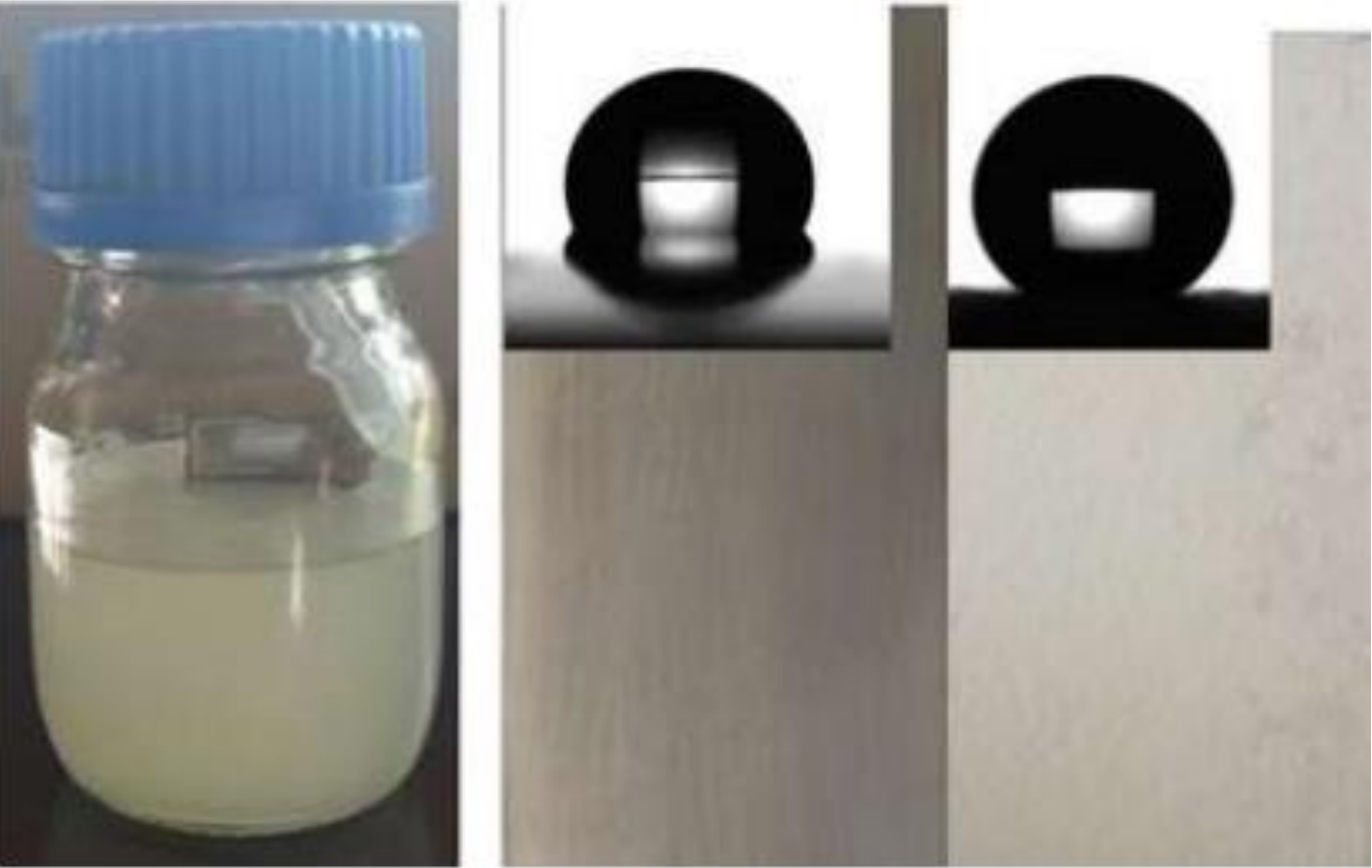
 润滑剂
润滑剂
 润滑油添加剂
 自润滑材料
自润滑材料
 密封材料
密封材料
 新兴材料
新兴材料
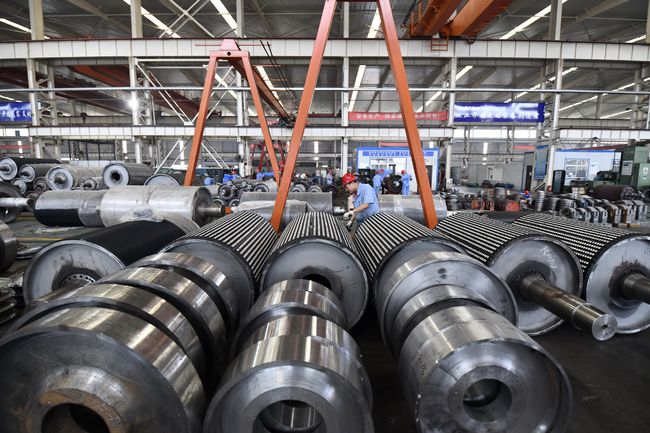 加工设备
加工设备
 摩擦试验机
摩擦试验机
 大型表征仪器
 小型测试设备