In this study, a series of copper-zinc matrix self-lubricating composites reinforced with graphite (5 wt. %) and Y 2O 3 (0–2 wt. %) were fabricated using powder metallurgy. Their tribological properties and wear mechanisms under different sliding speeds (V 1=0.1 m/s, V 2=0.5 m/s, and V 3=1.0 m/s) were systematically investigated. The results indicate that graphite, as a solid lubricant, significantly reduces the coefficient of friction (COF). The C 4 composite (with 5 wt. % graphite and 1 wt. % Y 2O 3) exhibited the lowest COF of merely 0.2 under the V 3 condition (1.0 m/s), representing a 60% reduction compared to the C 1 composite without graphite (which had a COF as high as 0.5). Concurrently, the introduction of Y 2O 3 effectively compensated for the loss in mechanical properties caused by the addition of the graphite lubricant. The specific wear rate of the C 4 composite under a sliding speed of 1.0 m/s was reduced by approximately 75% compared to the C 1 composite. As the sliding speed increased, the thermo-mechanical coupling effect promoted the formation of a continuous friction surface layer composed of oxides, amorphous carbon, and a plastic deformation layer. The average wear debris particle size decreased from 1.14 μm under the C 1V 1 condition to 0.58 μm under the C 4V 3 condition. Raman spectroscopy and XPS analysis confirmed that at a sliding speed of 1.0 m/s, the graphite structure in the copper-zinc matrix self-lubricating composites transformed into a highly defective amorphous state, while the oxidation degree of Cu was alleviated. This study's multi-scale reveals the synergistic lubrication-strengthening mechanism of graphite and Y 2O 3 over a wide speed range, providing a theoretical basis and data support for the design of high-performance copper-zinc matrix self-lubricating composites.
周老师: 13321314106
王老师: 17793132604


邮箱号码: lub@licp.cas.cn




 润滑剂
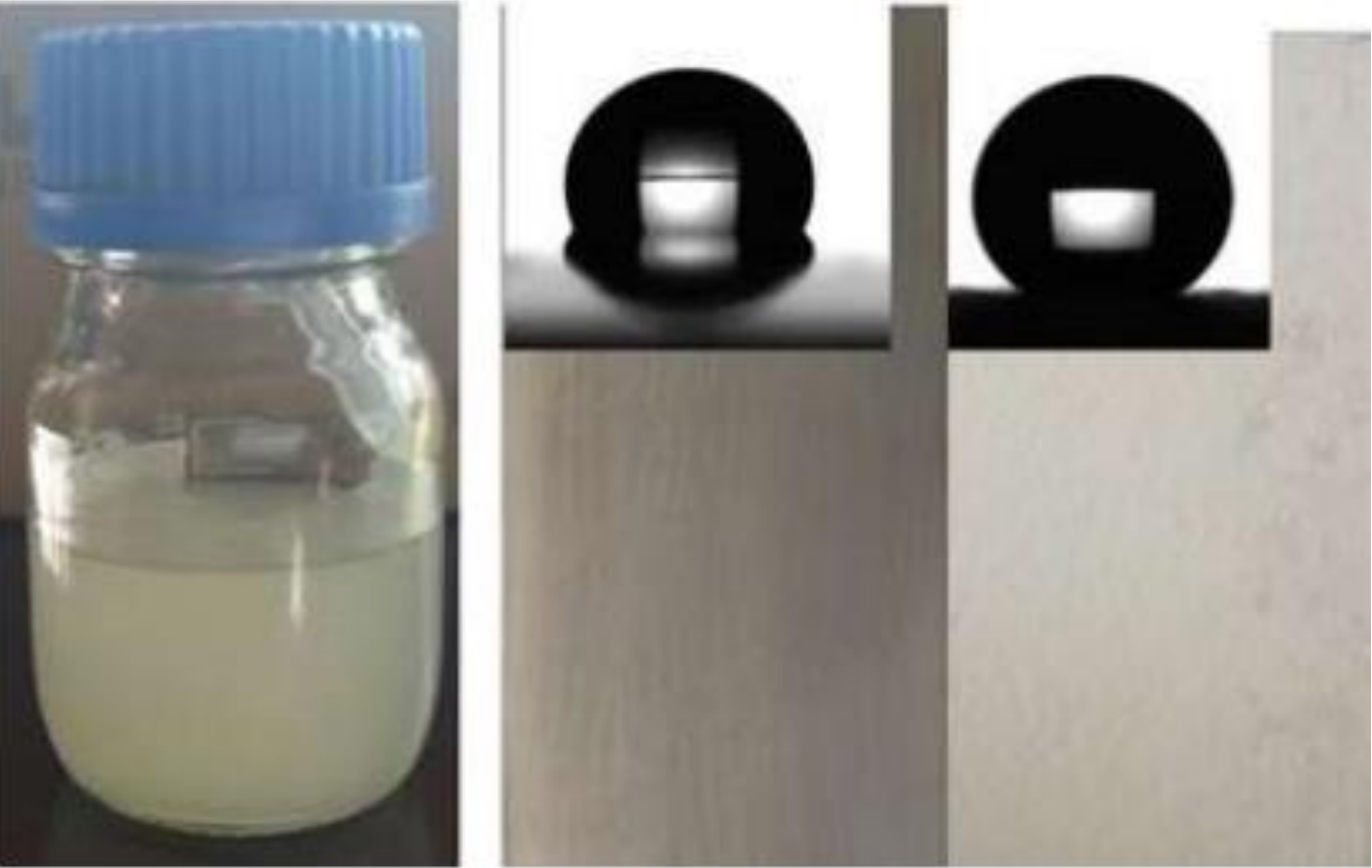
润滑剂
 润滑油添加剂
 自润滑材料
自润滑材料
 密封材料
密封材料
 新兴材料
新兴材料
 加工设备
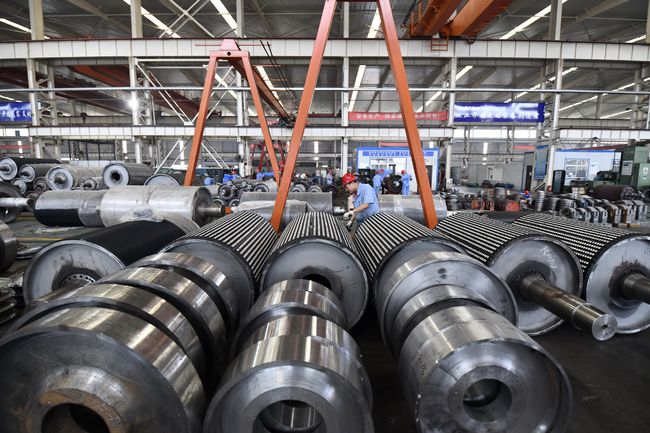
加工设备
 摩擦试验机
摩擦试验机
 大型表征仪器
 小型测试设备