Tetrahedral amorphous carbon (Ta-C) coatings are widely utilized for their exceptional hardness and superior wear resistance. However, under high-load sliding conditions, Ta-C coatings are often susceptible to severe spalling failure due to the inherent brittleness and high residual internal stress. To enhance the frictional load-bearing capacity, Ta-C coatings with graded sp³ bonding configurations were fabricated by precisely modulating the substrate bias during filtered cathodic vacuum arc (FCVA) deposition. In this study, three types of gradient structure and three constant structure coatings were prepared for comparative analysis. Compared with the constant structure, the gradient coatings feature multilayered interfaces with continuously transitioning bonding configurations and a high surface sp³ fraction, which leads to higher frictional bearing capacity. Notably, the gradient coating with a surface sp³ fraction of 83.7% exhibited the highest hardness (55.3 GPa), elastic modulus (476.6 GPa), and optimized toughness and adhesion. Under lubricated sliding at a maximum initial Hertzian contact stress of 1028 MPa, the constant structure coatings suffered from comprehensive delamination. In contrast, the gradient coatings maintained their structural integrity, achieving an ultra-low friction coefficient of 0.033 with negligible wear. Microstructural analysis revealed that superlattice-like multilayer features within the gradient structure promote stress redistribution and crack deflection. This work demonstrates that the synergy of gradient bonding design and multilayer modulation provides an effective strategy to overcome the brittleness and load-bearing limitations of superhard Ta-C coatings in high load applications.
周老师: 13321314106
王老师: 17793132604


邮箱号码: lub@licp.cas.cn




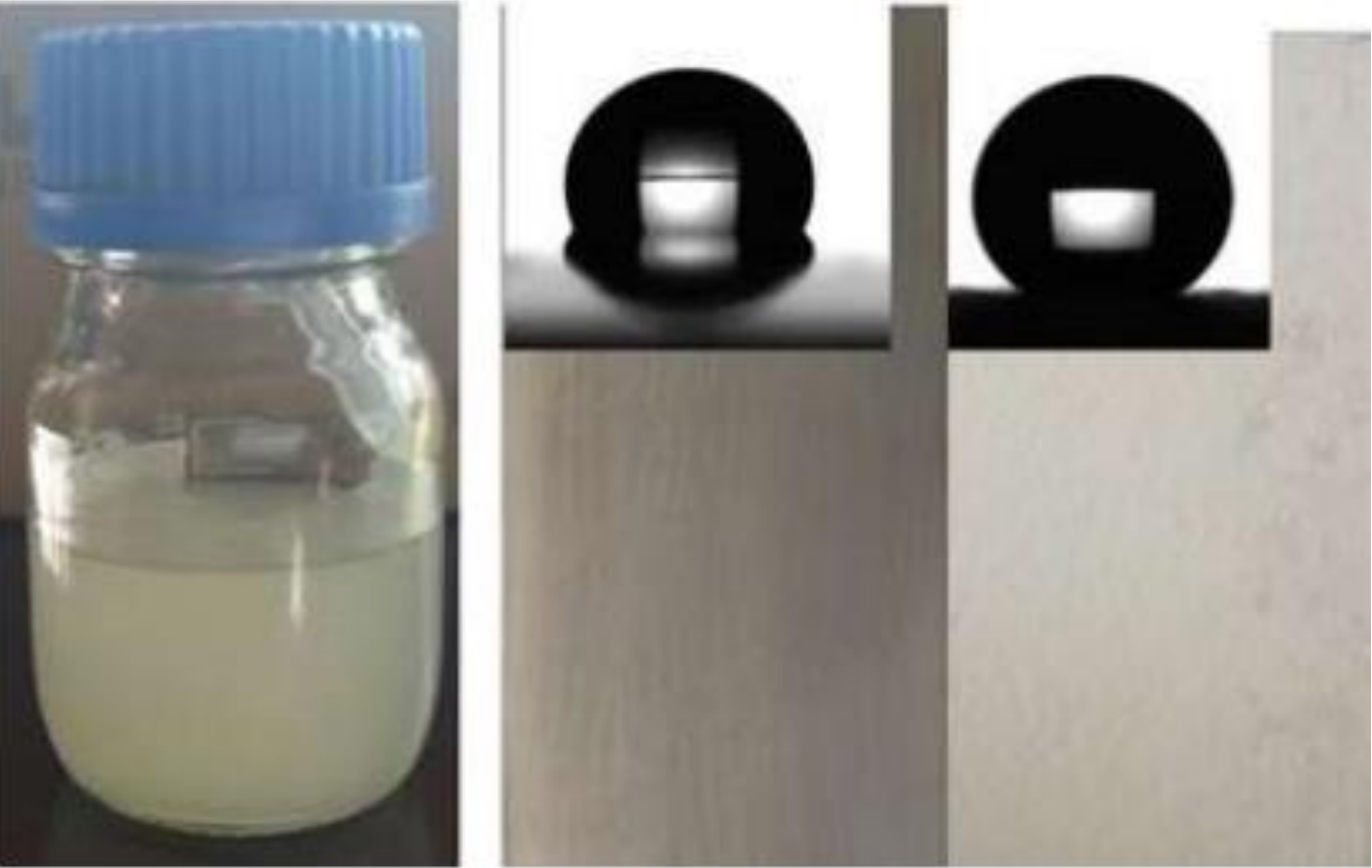
 润滑剂
润滑剂
 润滑油添加剂
 自润滑材料
自润滑材料
 密封材料
密封材料
 新兴材料
新兴材料
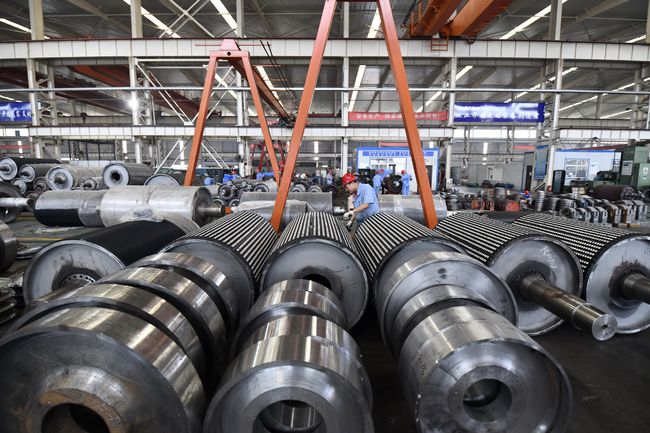 加工设备
加工设备
 摩擦试验机
摩擦试验机
 大型表征仪器
 小型测试设备