Implantation of artificial hip joints frequently induces local inflammatory responses, resulting in the accumulation of reactive oxygen species (ROS) such as H₂O₂ in peri-prosthetic fluid. These species critically affect fretting corrosion at the femoral head–neck interface. In this study, the fretting corrosion behavior of a CoCrMo–Ti6Al4V alloy pair was examined under simulated inflammatory conditions by introducing H₂O₂. A running condition fretting map (RCFM) was established, identifying three fretting regimes: partial slip (PSR), mixed fretting (MFR), and gross slip (GSR). Compared with normal physiological conditions, the presence of H₂O₂ markedly accelerated corrosion and aggravated material degradation across all regimes. The damage mechanisms of the Ti6Al4V–CoCrMo pair vary significantly across different regimes: abrasive wear and tribocorrosion dominate in PSR; adhesive wear and intensified tribocorrosion occur in MFR; and in GSR, severe abrasive wear, tribocorrosion were observed. Increasing H₂O₂ concentration enhanced thermodynamic stability but intensified corrosion kinetics. Concurrently, the dominant damage mechanism transitions from abrasive wear to tribocorrosion characterized by spallation. These collectively lead to a marked increase in material loss and metal ion release. Overall, H₂O₂ promotes cathodic depolarization and the formation of mechanically unstable oxide films, thereby strengthening corrosion-wear synergy and exacerbating material damage under inflammatory conditions.
周老师: 13321314106
王老师: 17793132604


邮箱号码: lub@licp.cas.cn





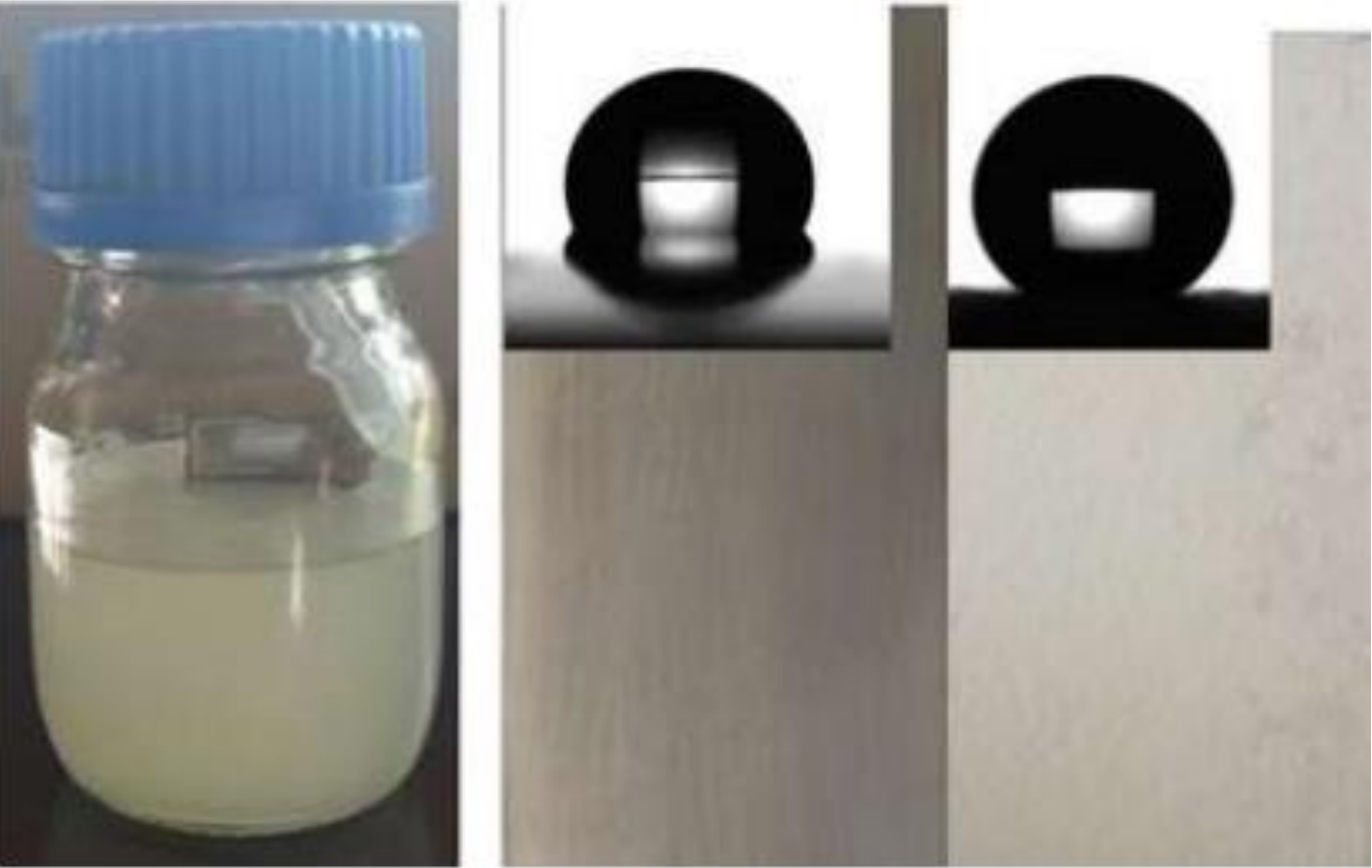
 润滑剂
润滑剂
 润滑油添加剂
 自润滑材料
自润滑材料
 密封材料
密封材料
 新兴材料
新兴材料
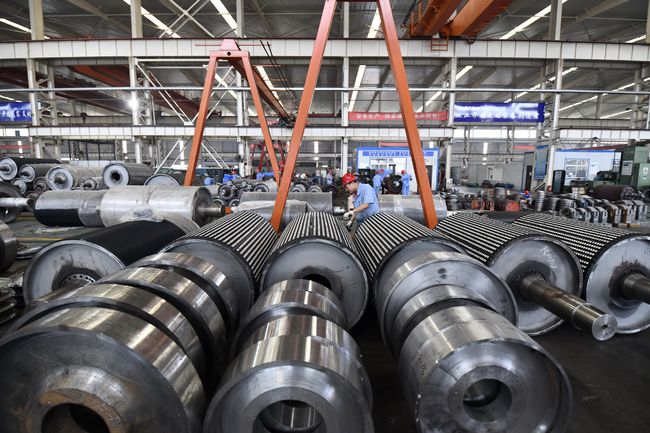 加工设备
加工设备
 摩擦试验机
摩擦试验机
 大型表征仪器
 小型测试设备