In this study, in situ WC–Cu–based composites containing graphite were fabricated from a mixture of W, C(graphite) and Cu powders by high-energy mechanical milling and subsequent reactive spark plasma sintering (SPS). The synthesis of the carbides occurred during the SPS stage. In order to investigate the effect of graphite concentration on the structure and properties of the composites, the W–C(graphite)–Cu mixtures with three different molar ratios of elements (1:1:3, 1:1.3:3 and 1:1.7:3) were prepared. The graphite not converted into carbides remained unreacted in the sintered compacts. The combination of mechanical milling and SPS resulted in the formation of unconventional microstructures. The Cu-rich regions of re-solidified material are located between the composite areas, in which the WC and W 2C particles are distributed uniformly. As the concentration of graphite was increased, the hardness and electrical conductivity of the composites decreased. The concentration of graphite in the composites influenced the morphology of the worn surfaces formed under dry sliding conditions. The WC–W 2C–Cu-graphite composite (processing conditions: W–C(graphite)–3Cu mixture, 15 min of milling, SPS at 980 °C) shows an attractive combination of properties: a hardness of 250 HV, an electrical conductivity of 25% of the International Annealed Copper Standard, a residual porosity of less than 5%, a coefficient of friction of 0.58 in a pair with a WC-6Co ball, and a specific wear rate of 0.6 × 10 −5 mm 3 N −1 m −1.
周老师: 13321314106
王老师: 17793132604


邮箱号码: lub@licp.cas.cn




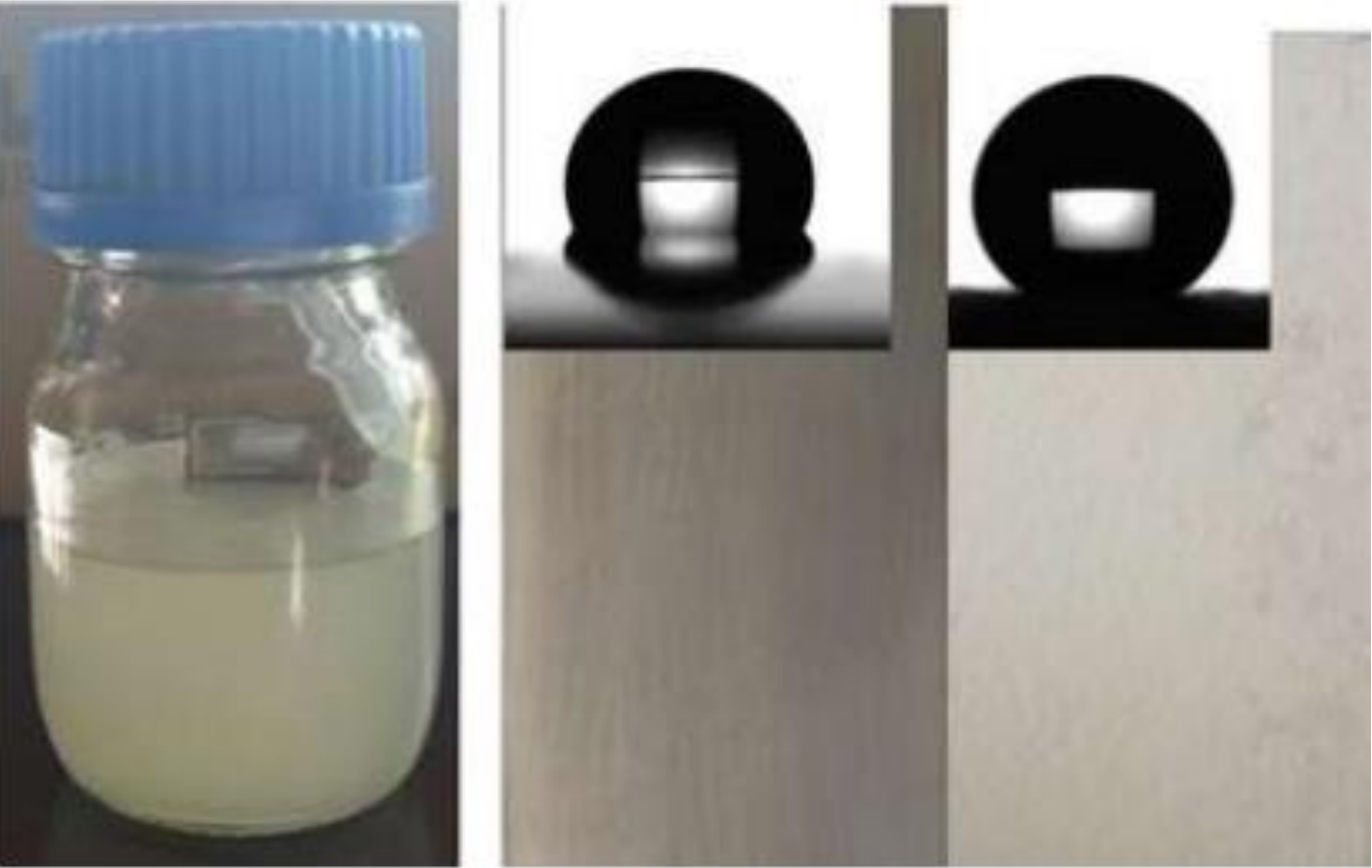
 润滑剂
润滑剂
 润滑油添加剂
 自润滑材料
自润滑材料
 密封材料
密封材料
 新兴材料
新兴材料
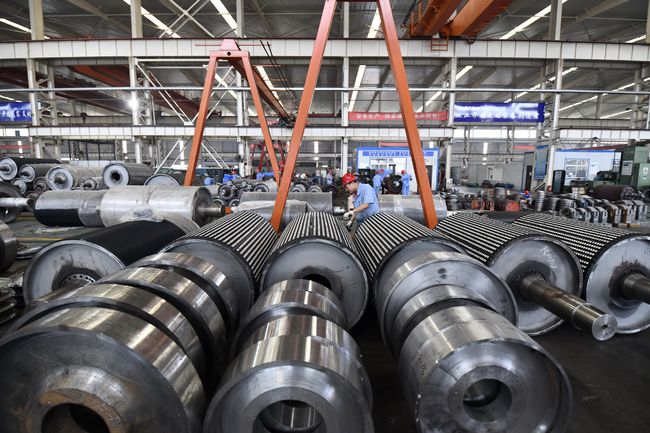 加工设备
加工设备
 摩擦试验机
摩擦试验机
 大型表征仪器
 小型测试设备