The objective of the current work is to investigate the tribological properties of nanodiamond (ND) reinforced polyurethane (PU) composite and examine the impact of UV irradiation on these properties. The experiments were optimized using the Taguchi design and ANOVA, while machine learning (ML) techniques were applied to predict the tribological performance. The study uses the Taguchi design of experiments (DOE) with an L27 orthogonal array to assess the effects of sliding distance (500–1500 m), sliding speed (100–300 rpm), load (10–30 N), composition (pure PU, 0.2 wt% ND, 0.5 wt% ND), and UV irradiation time (0, 200, 400 h) on wear rate and coefficient of friction (COF). The results show that incorporating 0.5 wt% ND significantly enhances PU performance, reducing the wear rate to 0.018 × 10⁻³ g/m and achieving a COF of 0.253 under optimal conditions of 30 N load, 0 h of UV irradiation, and 300 rpm. ANOVA reveals that composition and UV irradiation time are the most influential factors, contributing 52.52% and 35.46% to wear rate, and 22.18% and 50.57% to COF, respectively. Machine learning models, including Support Vector Regression (SVR), linear regression, and XGBoost, were used for performance prediction, with XGBoost providing the highest accuracy (R²/MSE = 0.99/0.000003 for wear rate, 0.98/0.00023 for COF). The findings highlight the potential for developing enhanced polyurethane nanocomposites with improved wear resistance for applications in industries such as automotive and aerospace, under varying tribological and environmental conditions.
周老师: 13321314106
王老师: 17793132604


邮箱号码: lub@licp.cas.cn




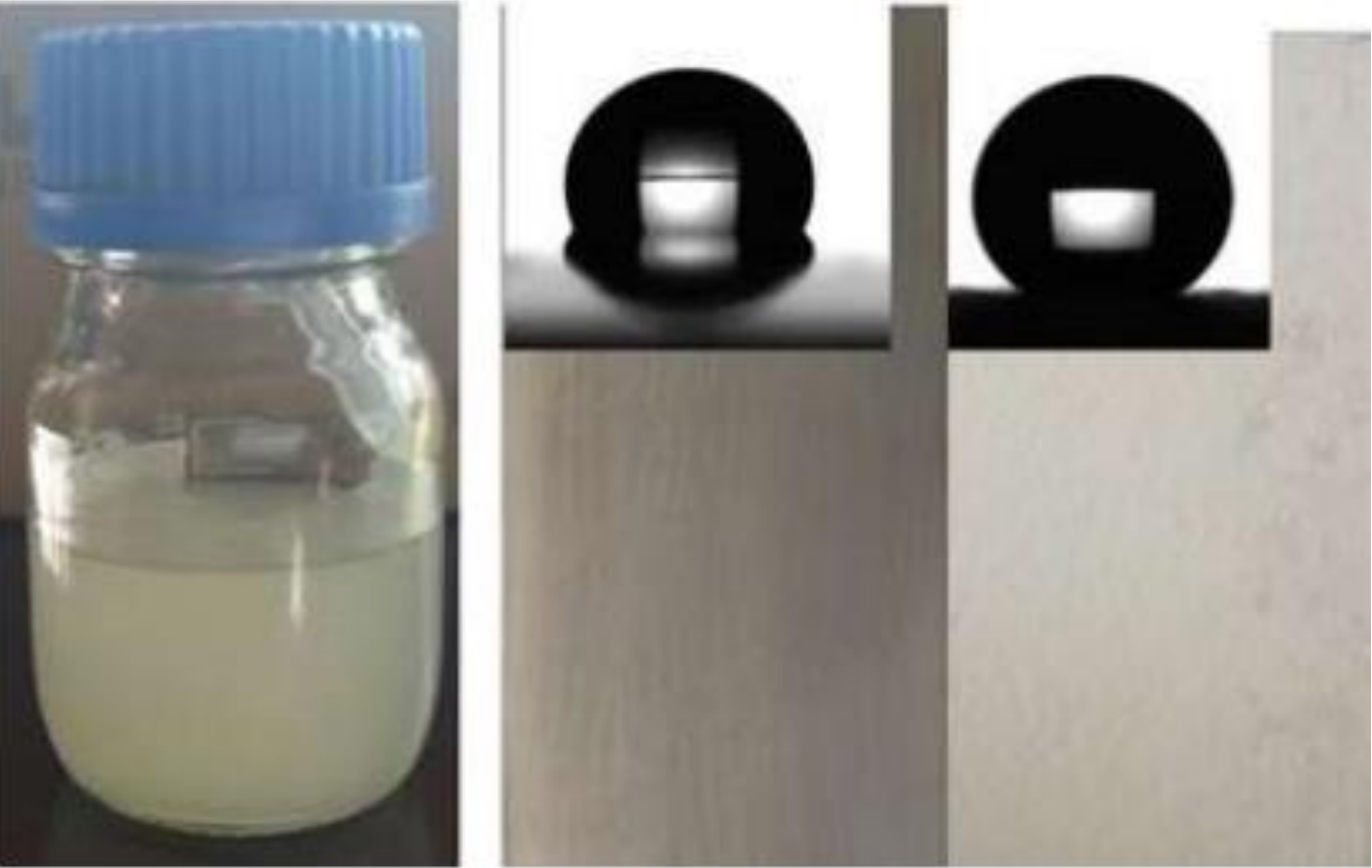
 润滑剂
润滑剂
 润滑油添加剂
 自润滑材料
自润滑材料
 密封材料
密封材料
 新兴材料
新兴材料
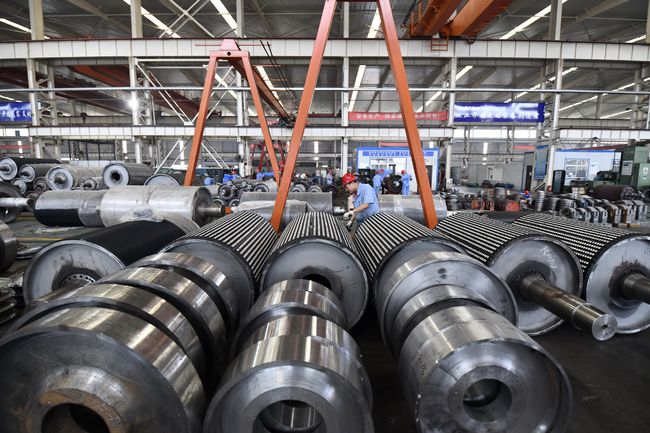 加工设备
加工设备
 摩擦试验机
摩擦试验机
 大型表征仪器
 小型测试设备