A central challenge in low-power laser cladding for surface engineering is to achieve coating densification and high performance under limited heat input, which often leads to insufficient molten pool dynamics. This study systematically investigated the mechanisms by which rare earth oxide CeO₂ (0–4 wt%) regulates the microstructure and tribological properties of a cobalt-based coating deposited on 40Cr steel under strictly low-power conditions (500–700 W). The results indicate that 600 W provides an optimal balance between dilution and fusion quality, and that CeO2 addition shows a pronounced threshold effect. When the CeO2 content is ≤2.0 wt%, CeO₂ promotes grain refinement by providing effective heterogeneous nucleation sites and enhancing constitutional supercooling, thereby driving a microstructural transition from coarse columnar grains to fine equiaxed dendrites. Accordingly, the microhardness increases to 587.41 HV and the coefficient of friction decreases to 0.271. Mechanistic analysis reveals that the confined Marangoni convection, characteristic of low-power processing, exacerbates the agglomeration of nanoparticles when the CeO₂ content exceeds the 2.0 wt% threshold, which in turn causes dendrite coarsening and performance degradation. The wear volume of the optimized coating (2.0 wt% CeO₂) decreases to 1.7952 mm 3, which is attributed to the synergistic strengthening effects of grain refinement and grain-boundary purification. This work establishes a well-defined process window for the low-energy surface modification of thermally sensitive components.
周老师: 13321314106
王老师: 17793132604


邮箱号码: lub@licp.cas.cn




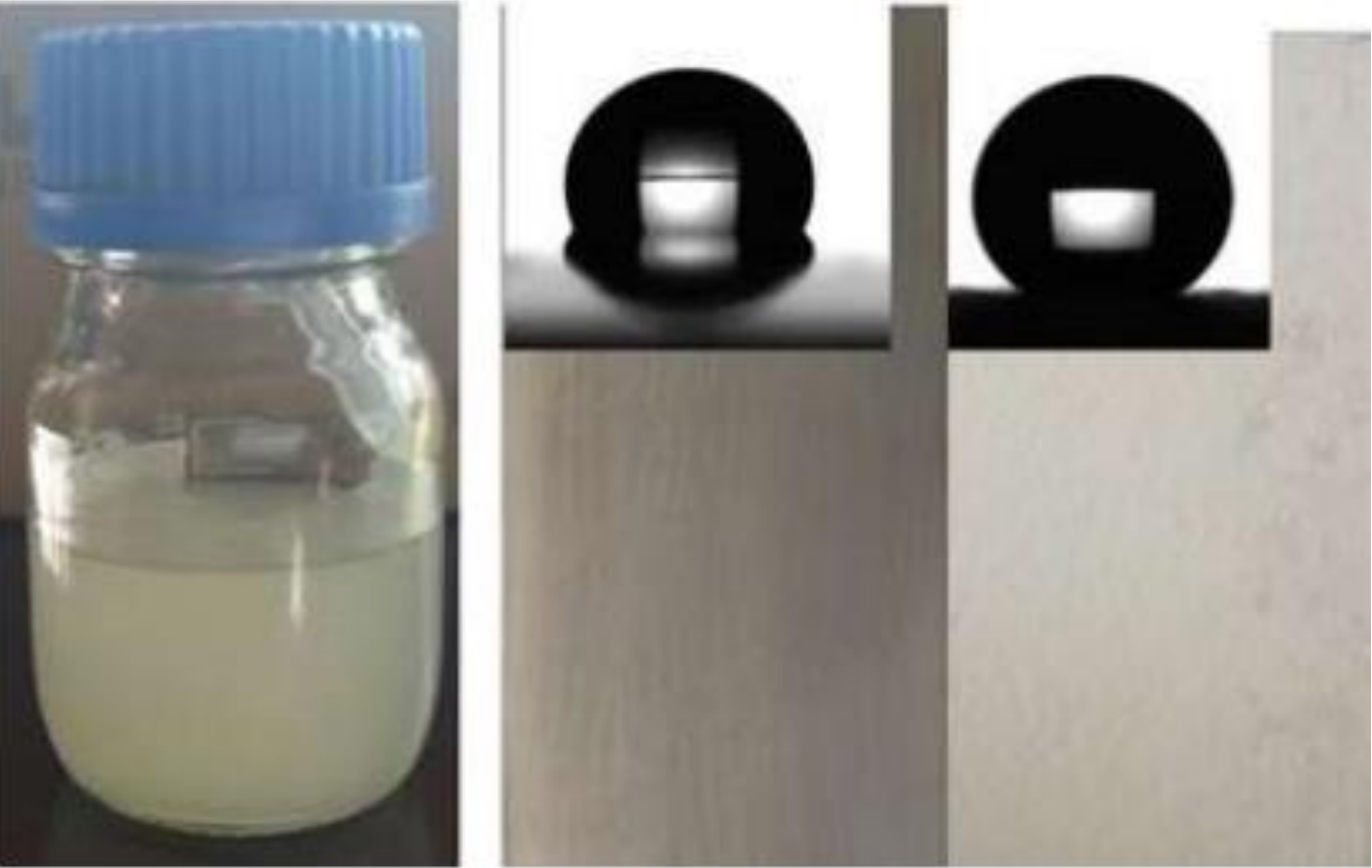
 润滑剂
润滑剂
 润滑油添加剂
 自润滑材料
自润滑材料
 密封材料
密封材料
 新兴材料
新兴材料
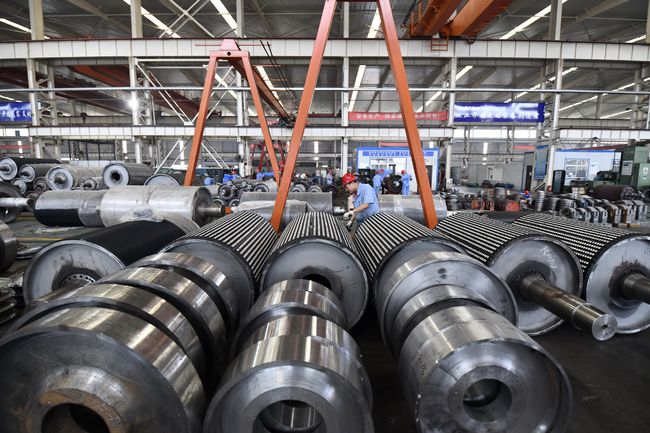 加工设备
加工设备
 摩擦试验机
摩擦试验机
 大型表征仪器
 小型测试设备