Enhancing engine efficiency, augmenting energy production in solar thermal systems, and reducing friction and wear in tribological contexts are key applications of ternary hybrid nanofluids comprising aluminium oxide, copper, and molybdenum disulfide nanoparticles dispersed in engine oil. This study presents a comparative analysis of the induced magnetic field and heat transfer characteristics of Carreau nanofluid flow over a vertical and an inclined stretching cylinder, highlighting the effects of thermal radiation, viscous dissipation, and stagnation point flow. The research formulates governing equations based on momentum, magnetic induction, and energy principles, converting them into nonlinear ordinary differential equations using appropriate transformations. The bvp4c solver in MATLAB is used to solve the linearised ordinary differential equations. The results indicate that the heat source/sink, magnetic field, thermal radiation parameter, and Eckert and Biot numbers contribute to enhancing the heat transfer. Ternary hybrid nanofluids excel in heat transfer and fluid motion compared to conventional nanofluids. Skin friction and local Nusselt number are computed and graphically represented for a vertical cylinder in comparison to an inclined cylinder.
周老师: 13321314106
王老师: 17793132604


邮箱号码: lub@licp.cas.cn





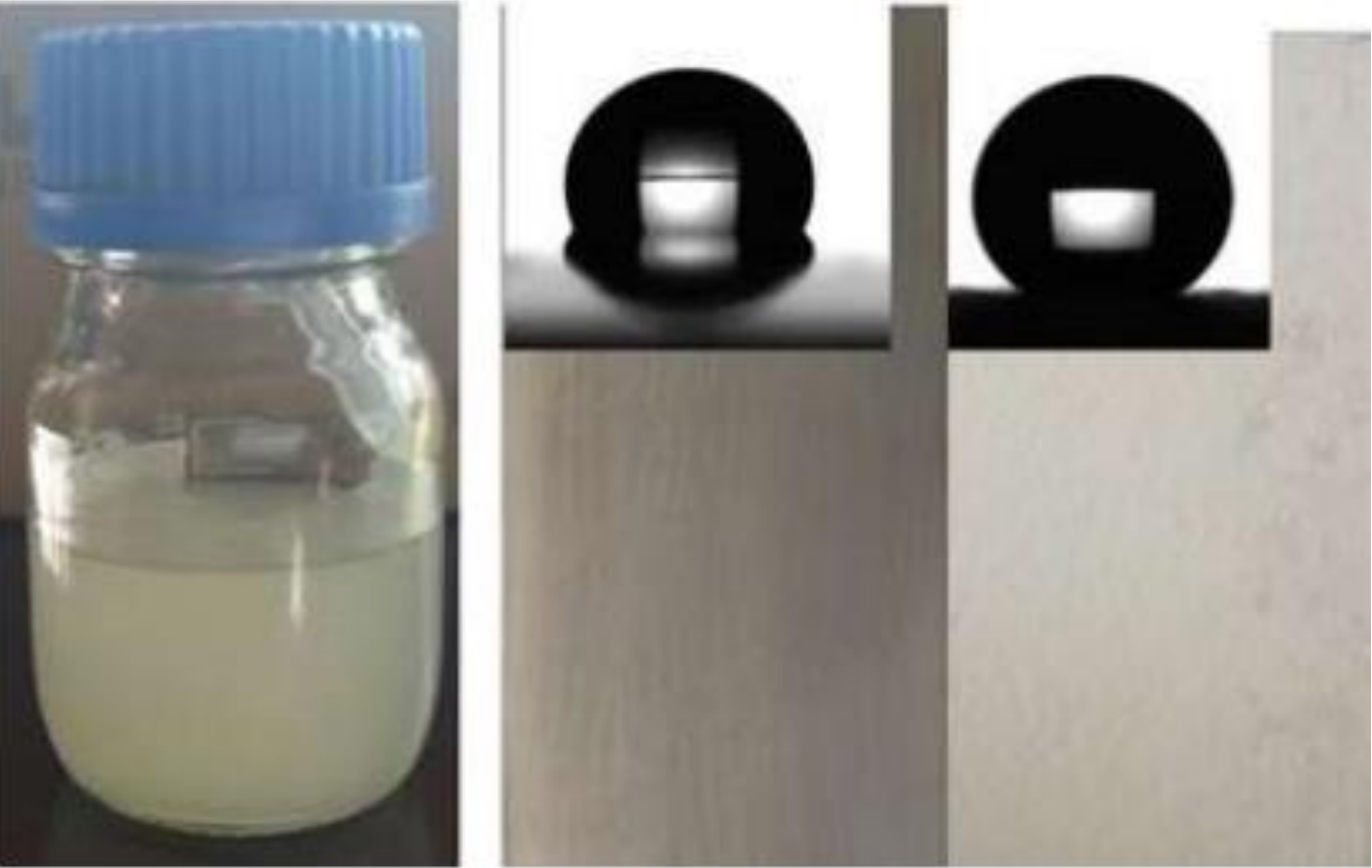
 润滑剂
润滑剂
 润滑油添加剂
 自润滑材料
自润滑材料
 密封材料
密封材料
 新兴材料
新兴材料
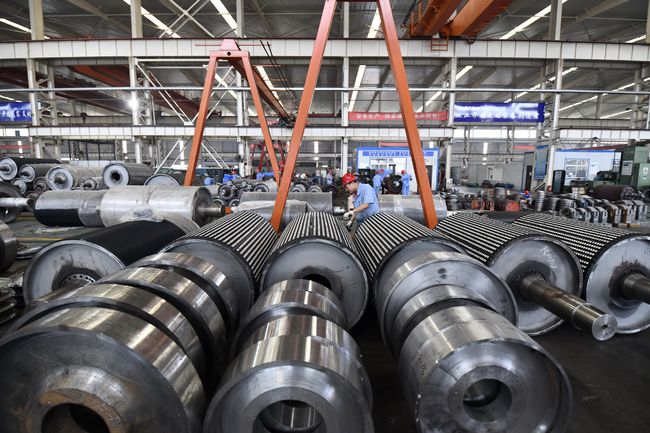 加工设备
加工设备
 摩擦试验机
摩擦试验机
 大型表征仪器
 小型测试设备