The practical application of wood-based materials in sustainable triboelectric nanogenerators (TENGs) is constrained by their mechanical weakness, poor environmental tolerance, and insufficient electrical output. Incorporating functional polymers offers potential for enhancing wood-based substrates, yet weak interfacial bonding often undermines structural stability. Herein, we develop an optimized wood-based substrate (WS) featuring superior mechanical toughness, water resistance, and transparency by constructing the biomimetic hierarchical structures. The filler matrix, engineered with reactive isocyanate groups, enables the formation of stable covalent bonds at hierarchical interfaces, thereby achieving exceptional mechanical toughness (3.38 MJ/m 3), water resistance, and a high dielectric constant (5.33). Leveraging these properties, the WS serves as a sustainable substrate for a rotary TENG, enabling efficient wind and water flow energy harvesting, and achieving a significantly enhanced peak power density (300.7 mW/m 2) compared with most of the reported wood-based TENGs. This work opens up new avenues for designing next-generation wood-based TENGs for efficient green energy harvesting.
周老师: 13321314106
王老师: 17793132604


邮箱号码: lub@licp.cas.cn




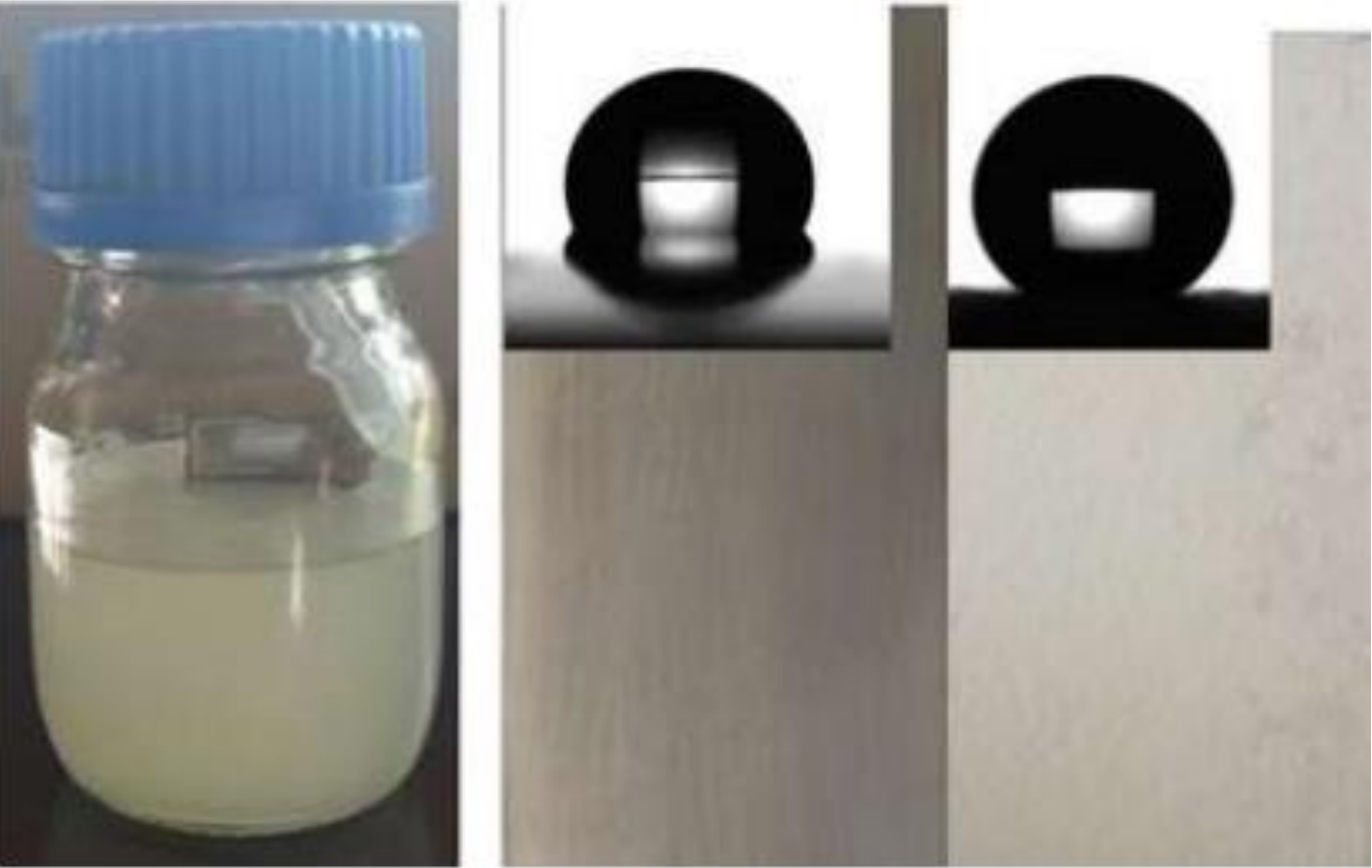
 润滑剂
润滑剂
 润滑油添加剂
 自润滑材料
自润滑材料
 密封材料
密封材料
 新兴材料
新兴材料
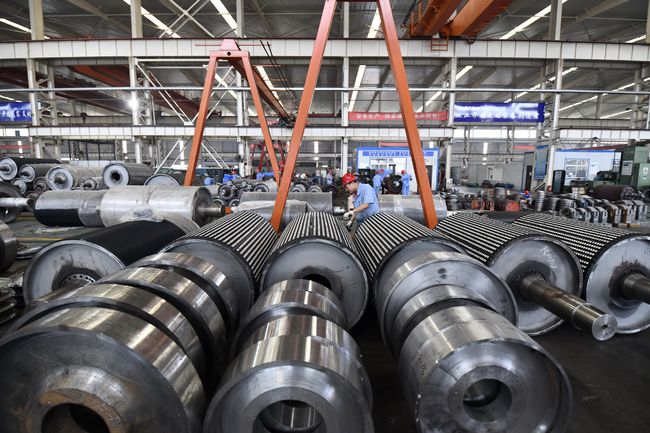 加工设备
加工设备
 摩擦试验机
摩擦试验机
 大型表征仪器
 小型测试设备