This research introduces a plasmonic nanostructure-based method for real-time observation of nanoscale fretting wear, which bypasses the drawbacks of traditional ex-situ methods like SEM and AFM. Tribological examinations under changing loads and oscillation amplitudes showed clear regimes of wear: elastic asperity contact at low stresses, micro-asperity flattening at ~ 10³–10⁴ cycles, and extensive cracking with debris formation over 10⁵ cycles. Localized surface plasmon resonance (LSPR) measurements registered these transitions with high spectral resolution. Nanoparticle-on-mirror cavities were the most sensitive, and their 15–25 nm peak shifts registered sub-2 nm asperity deformations. Au/Ag dimers were intermediate in sensitivity (10–15 nm shifts per 5–10 nm wear), and bowtie antennas gave stable calibration with 5–7 nm shifts at > 10 nm wear depth. Real-time LSPR mapping mapped progressive redshifts (2–20 nm) throughout wear cycles and produced heatmaps visualizing debris migration and crack coalescence with sub-second response times. Correlation with AFM and SEM verified that LSPR shifts of 2–4 nm are associated with asperity flattening, whereas 8–12 nm shifts are associated with crack initiation. These results make plasmonic sensing a predictive, in-situ diagnostic capability that can monitor wear progression from initial asperity deformation to global material delamination, allowing for transformative monitoring in high-reliability systems. Graphical abstract
周老师: 13321314106
王老师: 17793132604


邮箱号码: lub@licp.cas.cn




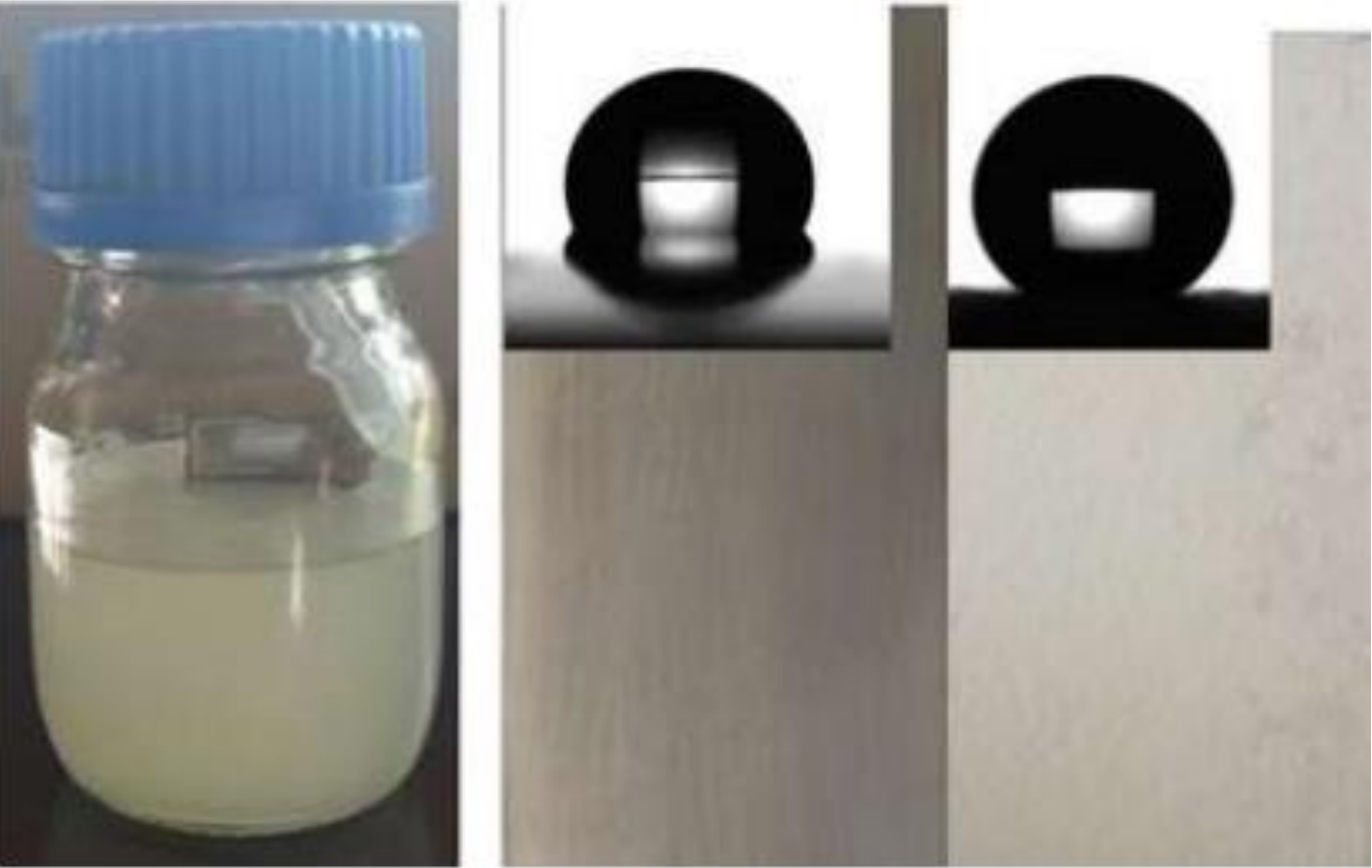
 润滑剂
润滑剂
 润滑油添加剂
 自润滑材料
自润滑材料
 密封材料
密封材料
 新兴材料
新兴材料
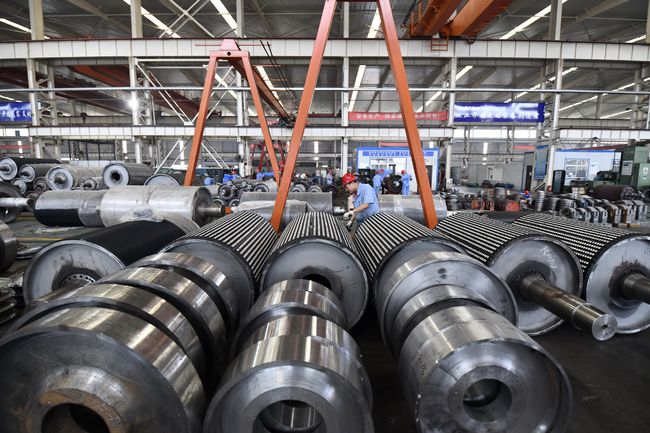 加工设备
加工设备
 摩擦试验机
摩擦试验机
 大型表征仪器
 小型测试设备