Based on the molecular dynamics simulation method, a Couette flow boundary lubrication molecular dynamics model was established to investigate the shape-dependence of copper nanoparticles (CuNPs) and the influence of the synergistic effect of multiple shapes on the tribological properties, thus revealing the shape-dependence in single-shape lubrication systems and elucidating the synergistic lubrication mechanism of multi-shape CuNPs. The results showed that in single-shape lubrication systems, lamellar CuNPs exhibited optimal friction-reducing performance during the initial lubrication stage due to their ability to form a lubricating copper film. However, lamellar CuNPs tended to adhere to friction surface asperities in later stages, causing adhesive wear. Columnar CuNPs exacerbated wear depth due to stress concentration at their tips. Spherical CuNPs demonstrated the best overall lubrication and friction-reducing effects due their minimal contact area and resistance to adhesion and particle detachment. Polyhedron CuNPs, being morphologically unstable, gradually transformed into spherical CuNPs. In the multi-shape synergistic lubrication system, the combination of spherical-lamellar CuNPs exhibited the best synergistic lubrication performance, significantly reducing the average frictional force by 36.5%, normal force by 49%, and wear rate by 15.7%. This performance is attributed to the lamellar CuNPs initially formed a stable lubricating film to bear the load, while the spherical CuNPs were subsequently extruded into a secondary dynamic film to fill gaps. Together, they achieved efficient friction reduction and wear resistance by isolating the friction surfaces, enabling atomic-level self-repair, and exhibiting a rolling bearing effect. The aforementioned research provided a theoretical foundation for predicting performance and developing water-based nanoscale lubrication systems.
周老师: 13321314106
王老师: 17793132604


邮箱号码: lub@licp.cas.cn





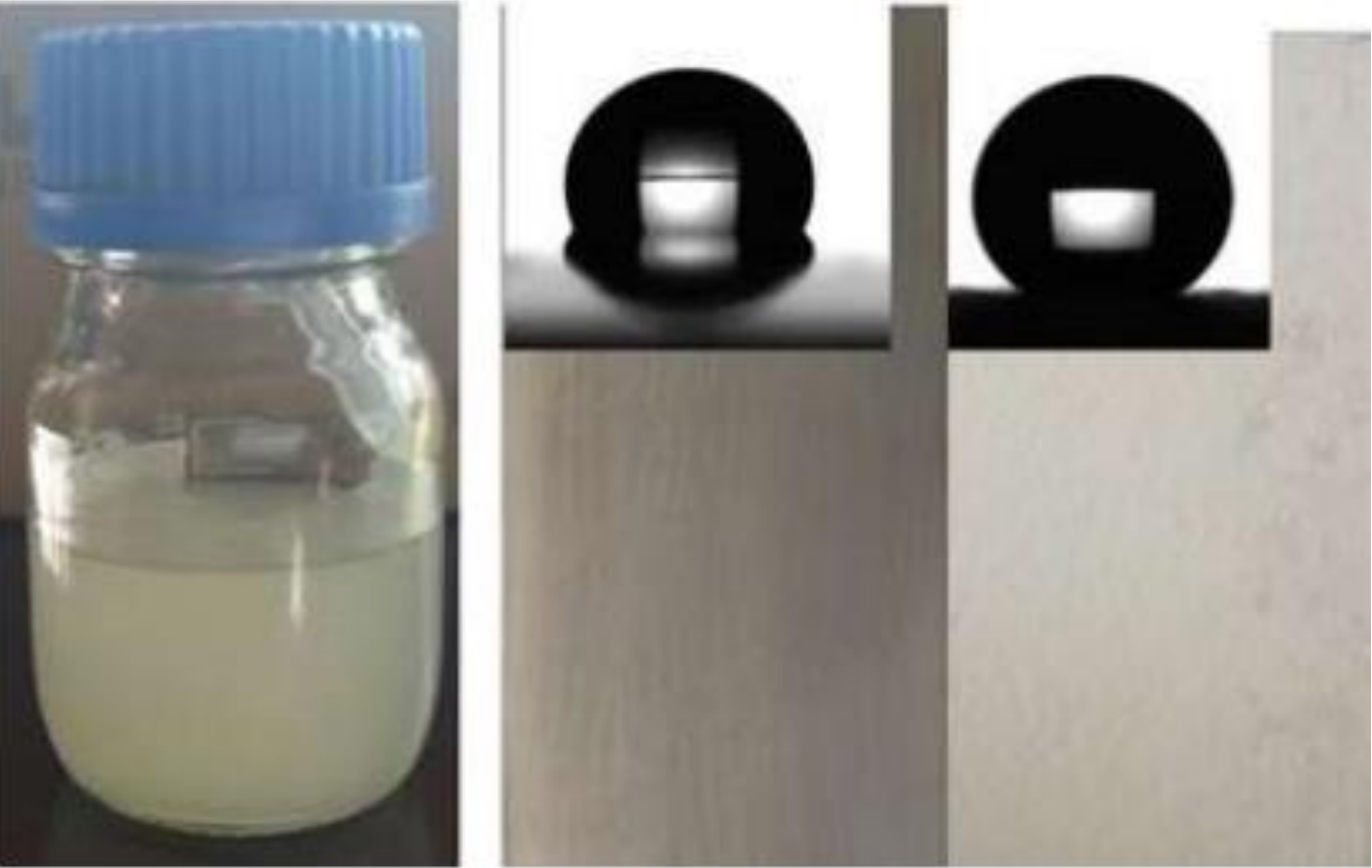
 润滑剂
润滑剂
 润滑油添加剂
 自润滑材料
自润滑材料
 密封材料
密封材料
 新兴材料
新兴材料
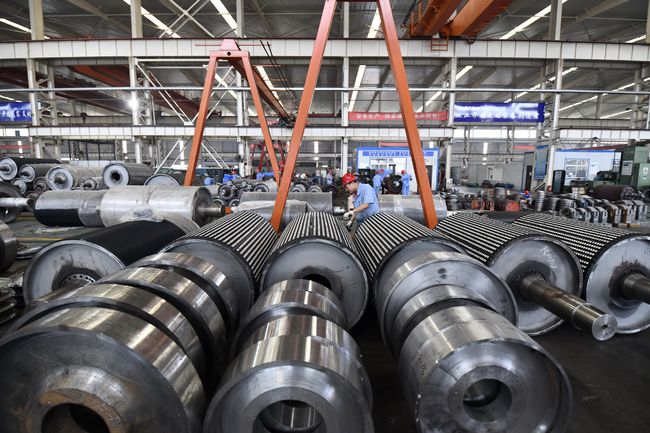 加工设备
加工设备
 摩擦试验机
摩擦试验机
 大型表征仪器
 小型测试设备