Nanoparticles offer strong potential as water-based lubricant additives, but their tendency to aggregate in aqueous media leads to poor dispersion and unstable tribofilms, limiting tribological enhancement. We developed a hybrid core–shell system composed of poly(acrylic acid)-modified Fe 3O 4 (Fe 3O 4@PAA) and amino-functionalized SiO 2 (SiO 2-NH 2). Small-angle neutron scattering (SANS) and dynamic light scattering (DLS) was used to analyze the colloidal stability and concentration-dependent aggregation of Fe 3O 4@PAA, while tribological testing revealed how surface chemistry governs tribofilm formation and lubrication performance. Results show that Fe 3O 4@PAA maintains a stable core–shell structure with good dispersibility influenced by concentration. During friction, multipoint binding of PAA chains forms a polycarboxylate network, and incorporation of SiO 2-NH 2 reinforces this network and enhances tribofilm stability. At a load of 100 N, the optimum mixture (1 wt.% Fe 3O 4@PAA and 1.2 wt.% SiO 2-NH 2) reduced the friction coefficient (COF) and wear volume by 74.8% and 67.8%, respectively. The proposed “polycarboxylate interfacial network” strategy overcomes the limitations of single-particle systems under high load, highlighting a new pathway for designing efficient, eco-friendly water-based lubricants.
周老师: 13321314106
王老师: 17793132604


邮箱号码: lub@licp.cas.cn




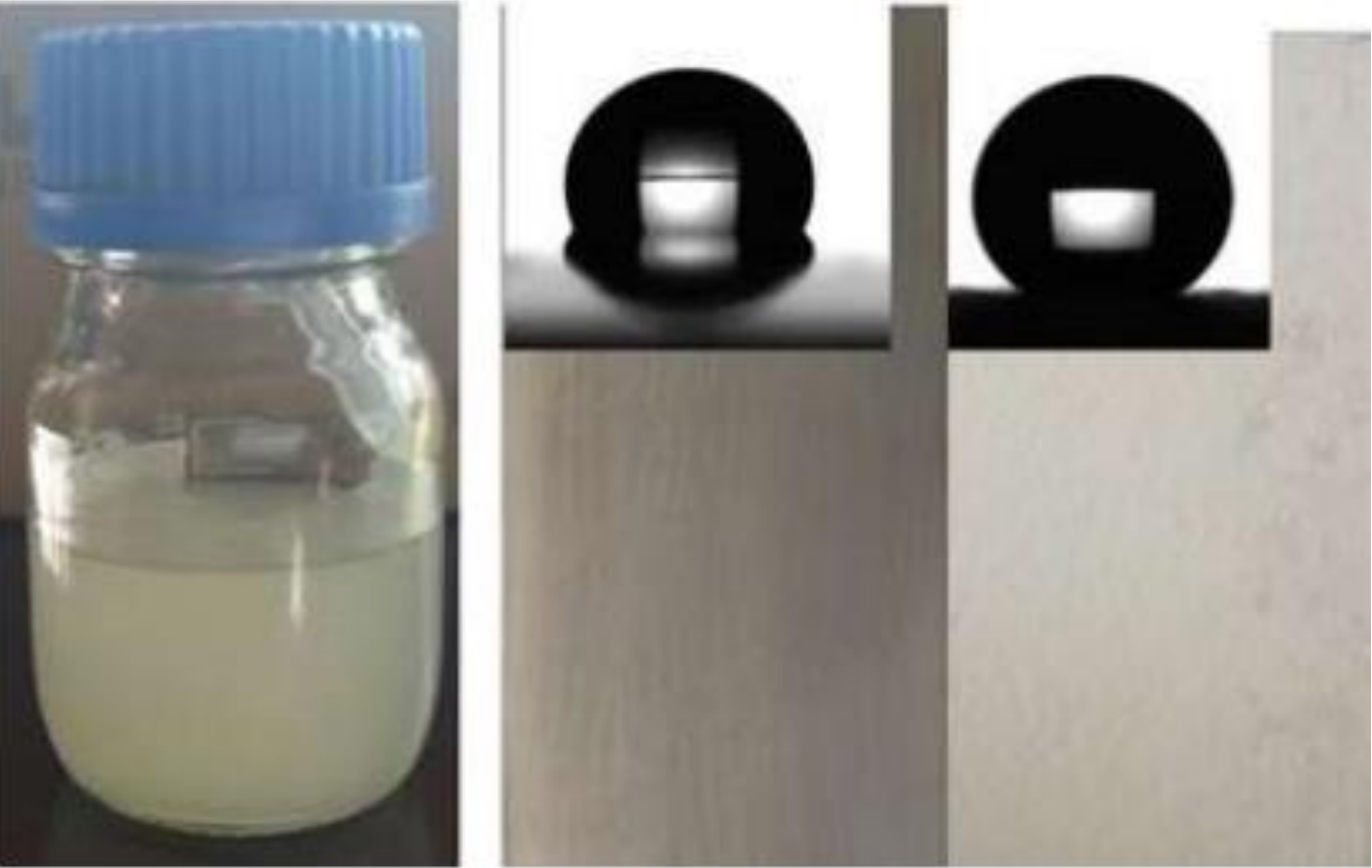
 润滑剂
润滑剂
 润滑油添加剂
 自润滑材料
自润滑材料
 密封材料
密封材料
 新兴材料
新兴材料
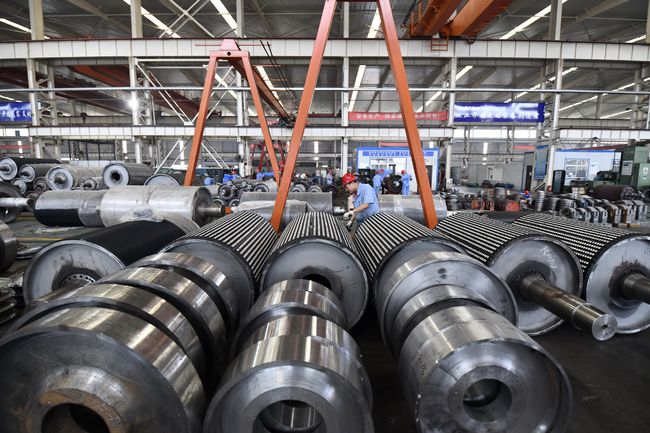 加工设备
加工设备
 摩擦试验机
摩擦试验机
 大型表征仪器
 小型测试设备