To overcome the challenge of accurately measuring transient high temperatures at the tool-chip interface, this study uses a self-developed N-type ZrB₂-based thermoelectric temperature-measuring tool. It aims to investigate the effects of ZrO₂ content and the integrity of the electrode interface on temperature measurement performance and mechanical properties. Samples with designated ZrO₂ contents (C202505, C202510, C202515) were prepared via vacuum hot-pressing and subsequently characterized through thermoelectric testing, interfacial mechanical analysis, microscopy, and wear experiments. The results show that the thermoelectric potential-temperature relationship for the C202515 sample exhibits significant anomalies. Experimental analysis confirms that the bonding performance at the joint interface is a critical factor governing temperature measurement stability. A mismatch in the CTE between the Positive and Negative electrode materials induces microdefects at the interface, which reduces the interfacial bonding strength. This degradation, in turn, increases the interfacial contact resistance and ultimately destabilizes the temperature measurement signal. This study is the first to establish correlations between temperature measurement performance, interfacial mechanics, and wear resistance. It identifies an optimal thermal expansion difference (ΔCTE ≤0.5 × 10 −6/°C) and thereby provides crucial guidance for developing stable and reliable thermoelectric ceramic tools.
周老师: 13321314106
王老师: 17793132604


邮箱号码: lub@licp.cas.cn





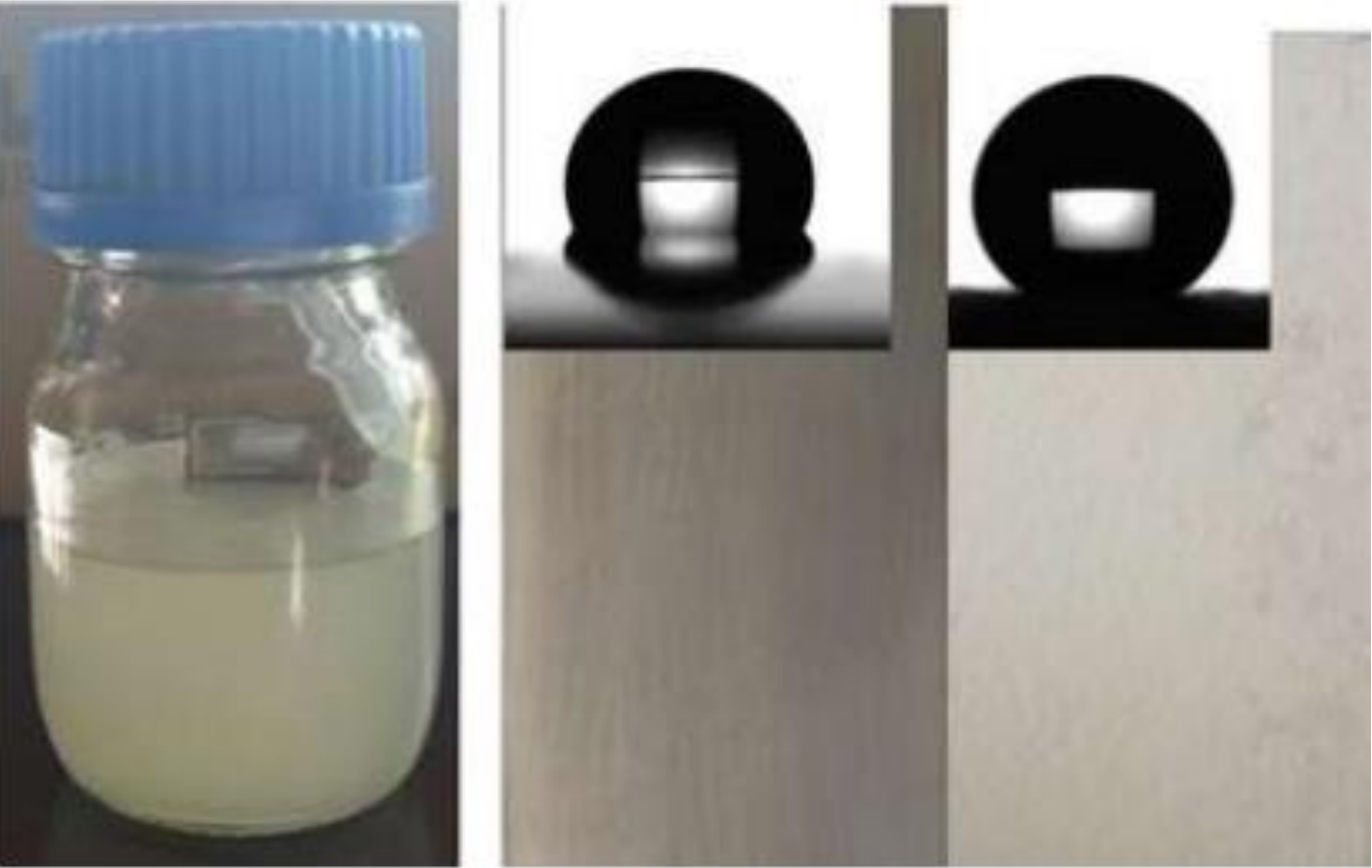
 润滑剂
润滑剂
 润滑油添加剂
 自润滑材料
自润滑材料
 密封材料
密封材料
 新兴材料
新兴材料
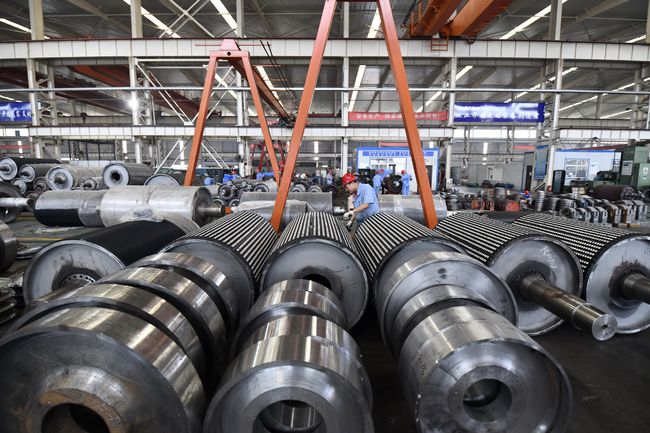 加工设备
加工设备
 摩擦试验机
摩擦试验机
 大型表征仪器
 小型测试设备