Intermittent operation is common in industrial processes where stainless steel components undergo repeated cleaning cycles. In such conditions, the durability of passive films plays a central role in controlling tribocorrosion. Here, the tribocorrosion behavior of AISI 316L stainless steel in 5 wt.% NaHCO 3 solution was examined under ball-on-plate reciprocating sliding at 25 N load, 10 mm stroke, and 5 Hz frequency, with four sliding sequences (1000 s each) separated by rest intervals of 15 min, 1 h, 2 h, and overnight for a total test duration of 20 h. A ∼50% reduction in the coefficient of friction occurred within the first 180 s, followed by a stable low-friction regime (∼0.4) that persisted regardless of rest duration. This response correlated with open circuit potential recovery during pauses, evidencing rapid repassivation. A total wear volume of 0.28 mm 3 was measured, giving a wear rate of 1.12 × 10 -4 mm 3/N·m. After an initial transient stage, the wear curve stabilized, showing that the tribofilm arrested further degradation. Post-test surface analyses revealed a chemically complex tribofilm composed of iron/chromium oxides and hydroxides enriched with carbonate species, with localized metallic nickel enrichment in chromium-depleted areas. These results provide quantitative evidence that sodium bicarbonate promotes the formation of durable self-healing tribofilms, capable of suppressing wear and maintaining low-friction conditions in stainless steel components subjected to intermittent sliding in diverse industrial cleaning alkaline environments.
周老师: 13321314106
王老师: 17793132604


邮箱号码: lub@licp.cas.cn




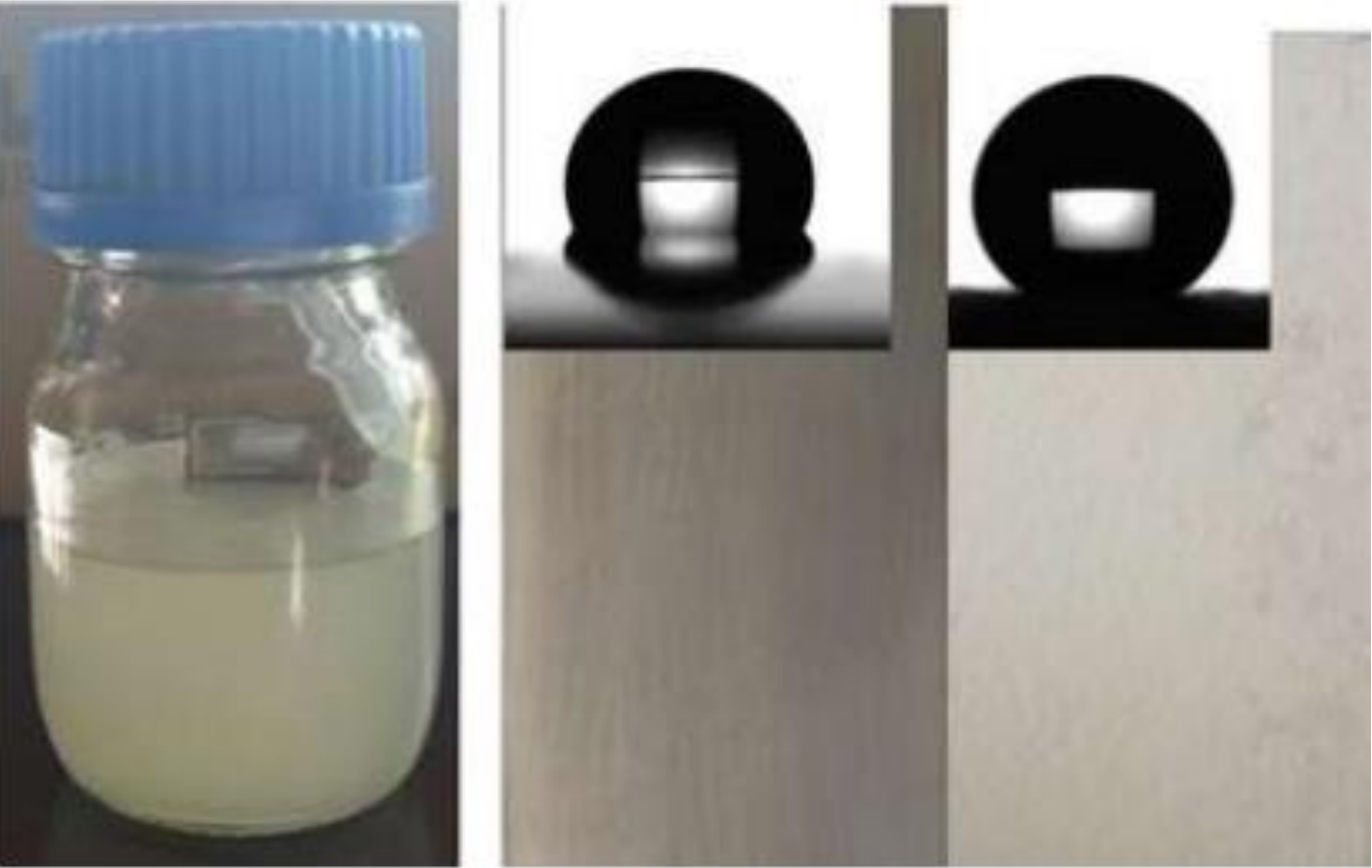
 润滑剂
润滑剂
 润滑油添加剂
 自润滑材料
自润滑材料
 密封材料
密封材料
 新兴材料
新兴材料
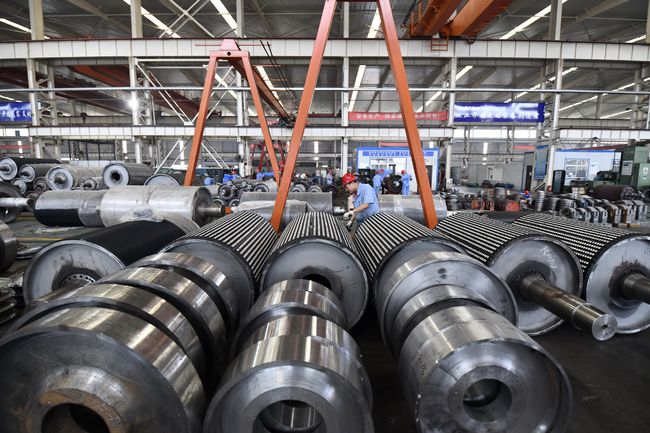 加工设备
加工设备
 摩擦试验机
摩擦试验机
 大型表征仪器
 小型测试设备