This study investigates the machinability and surface integrity of hardened X38CrMoV5-1 steel (50 HRC) during dry hard turning using coated and uncoated mixed ceramic cutting tools (Al₂O₃/TiC). The influence of cutting speed, feed rate, depth of cut, and nose radius on surface roughness (Ra), cutting force (Fc), specific cutting force (Kc), and material removal rate (MRR) was analyzed using Taguchi design, Response Surface Methodology (RSM), and Analysis of Variance (ANOVA). Experimental results showed that Ra varied between 0.18 and 1.51 μm, Fc between 25.57 and 207.45 N, and Kc between 1423 and 3925 MPa within the selected cutting conditions. Feed rate and depth of cut were identified as the most significant parameters affecting surface roughness and cutting forces. Uncoated ceramic tools consistently produced lower cutting forces, improved surface finish, and longer tool life compared with TiN-coated tools under identical dry machining conditions. The maximum tool life reached 41 min for the uncoated insert (r = 1.2 mm), while the coated insert reached 28.5 min under the same parameters (Vc = 150 m/min, f = 0.08 mm/rev, ap = 0.30 mm). Two-dimensional and three-dimensional surface analyses, along with scanning electron microscopy (SEM) and energy-dispersive X-ray spectroscopy (EDS), revealed that abrasion was the dominant wear mechanism, with adhesion and diffusion contributing to crater formation. The developed RSM models demonstrated high goodness of fit within the studied parameter range. This work provides a comparative evaluation of coated and uncoated Al₂O₃/TiC ceramic tools for sustainable dry hard turning of hardened steel, highlighting the influence of machining parameters on surface integrity and tool performance.
周老师: 13321314106
王老师: 17793132604


邮箱号码: lub@licp.cas.cn




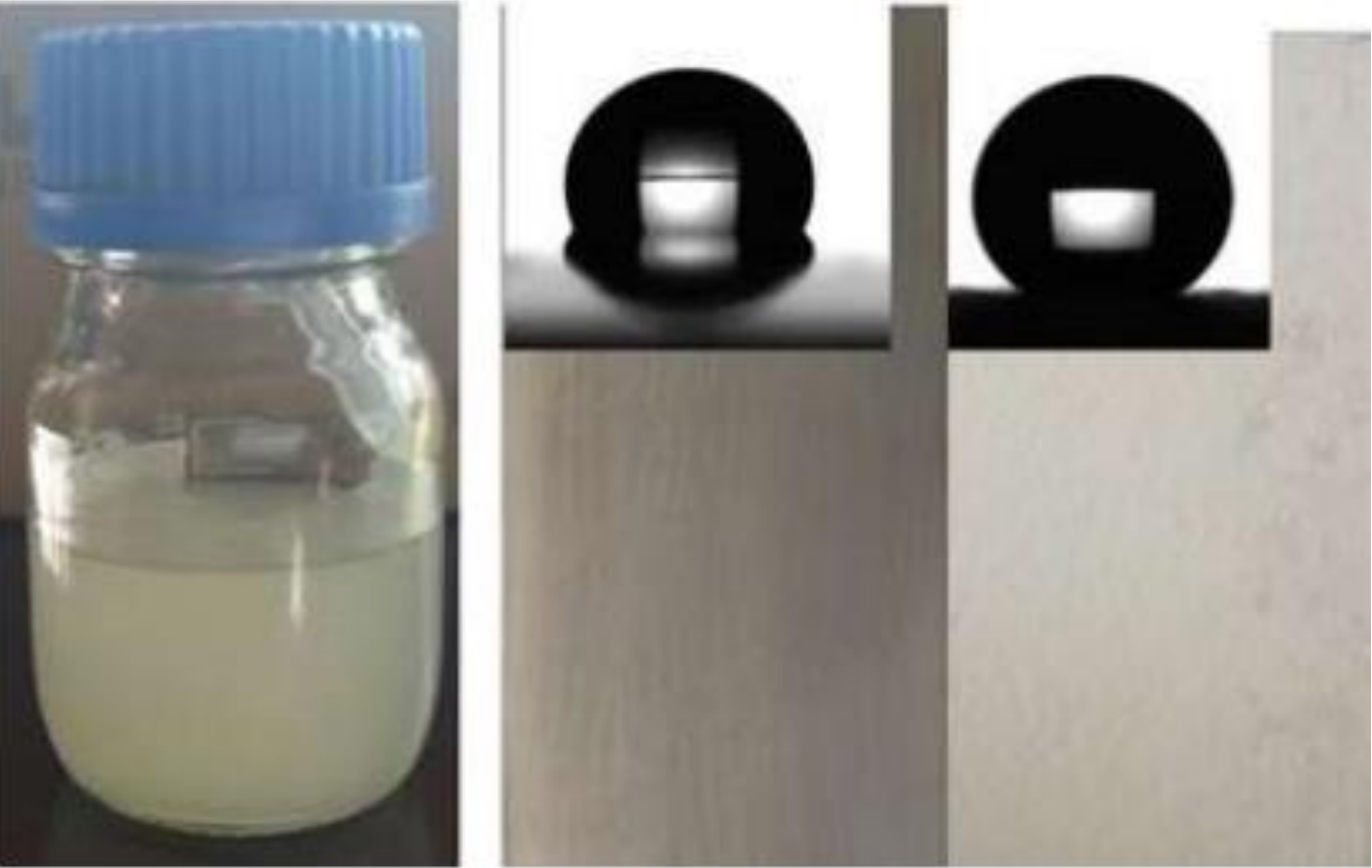
 润滑剂
润滑剂
 润滑油添加剂
 自润滑材料
自润滑材料
 密封材料
密封材料
 新兴材料
新兴材料
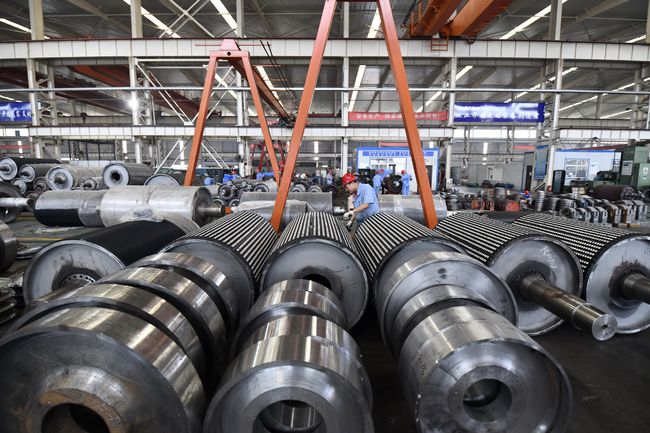 加工设备
加工设备
 摩擦试验机
摩擦试验机
 大型表征仪器
 小型测试设备