Ni/Cu–P composite coatings were fabricated on Q235 steel substrates with dimensions of 20 mm×15 mm×2 mm by introducing different CuSO4 concentrations (0–0.30 g/L) into the Ni–P plating bath, denoted as SCU-0, SCU-0.1, SCU-0.15, SCU-0.2, and SCU-0.3, respectively. The effects of Cu addition on the structural, mechanical, magnetic, and corrosion properties were systematically investigated. The SCU-0.15 coating, deposited with 0.15 g/L CuSO₄, exhibited the most compact microstructure with a Cu content of 1.28 wt% and a thickness of 68.7 μm. TEM analysis confirmed that amorphous phosphorus was uniformly distributed in the Ni/Cu solid-solution matrix, forming nanosized grains (~ 34.6 nm) that improved structural uniformity. Compared with the undoped Ni–P coating (447.6 HV), the SCU-0.15 coating showed a markedly enhanced hardness of 713.5 HV and the lowest wear loss. The saturation magnetization decreased from 443 to 284 emu/cc as the CuSO₄ concentration increased from 0.1 to 0.3 g/L. Electrochemical testing in 15 wt% HNO₃ revealed that the SCU-0.15 coating possessed the most positive corrosion potential and the lowest corrosion current density (30.79 µA/cm²). Its charge-transfer resistance reached 4678.4 Ω·cm², and the largest Nyquist arc radius further confirmed superior corrosion protection. Overall, moderate Cu incorporation refined grains, strengthened the Ni–P matrix, and significantly improved the hardness, wear resistance, and corrosion durability of the coatings, demonstrating an effective route to optimize Ni-P coating performance.
周老师: 13321314106
王老师: 17793132604


邮箱号码: lub@licp.cas.cn




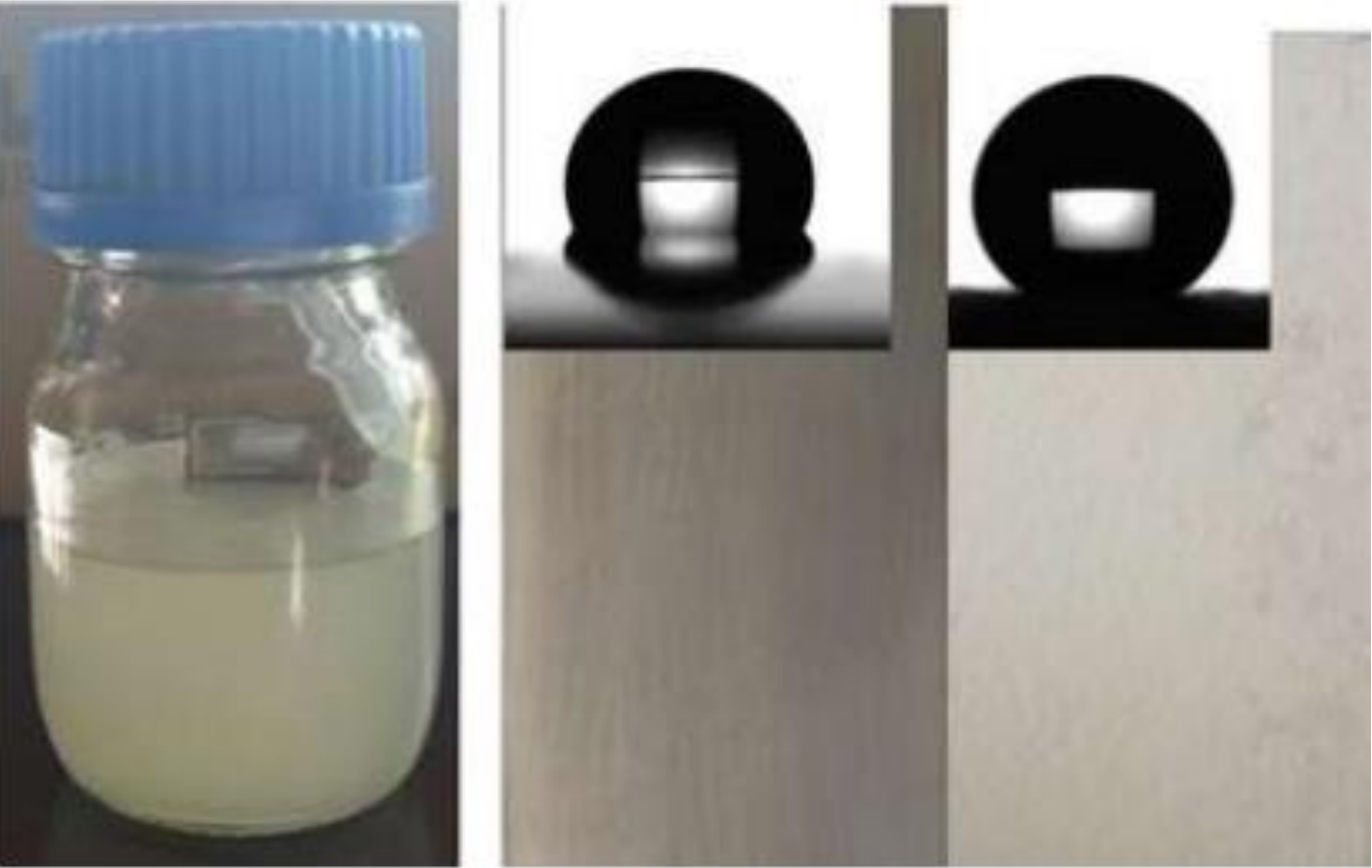
 润滑剂
润滑剂
 润滑油添加剂
 自润滑材料
自润滑材料
 密封材料
密封材料
 新兴材料
新兴材料
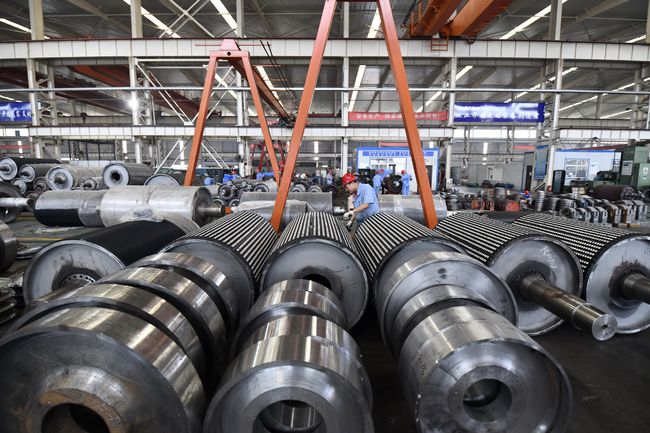 加工设备
加工设备
 摩擦试验机
摩擦试验机
 大型表征仪器
 小型测试设备