The use of advanced aluminum-based bimetal bearings is critical for addressing modern automotive demands such as downsizing, higher loads, and improved fuel efficiency. Traditional roll bonding methods, widely employed for manufacturing bimetal bearings, face significant limitations when applied to next-generation aluminum alloys due to their complexity, cost, and inflexibility. This study evaluates thermal spray techniques, specifically cold spray (CS) and high-velocity air fuel (HVAF) deposition, as alternative manufacturing methods for aluminum-based bimetal bearings. Cold spray trials showed that the AlMn1Cu bond coat achieved > 88% deposition efficiency (DE) at 500-600 °C, while the AlZn5SiCuMgBi top coat reached only 32.69% at 650 °C. The lower DE of the top coat is attributed to its higher hardness and the presence of preexisting intermetallic phases (e.g., Bi2Mg3), which are only partially reduced during deposition and may undermine particle bonding. Experimental comparisons between HVAF and cold spray (CS) coatings revealed significant differences in mechanical and tribological performance. HVAF coatings exhibited superior hardness of 151 HV compared to cold spray, which had 94.5 HV, indicating a more robust and potentially wear-resistant surface. In terms of wear behavior, HVAF demonstrated lower wear depth of 83.3 µm and volume loss of 0.137 mm3, which are 21.5% and 22.5% lower, respectively, compared to cold spray, which had wear depths of 106.1 µm and volume loss of 0.1767 mm3. These results reflect the denser microstructure and improved bonding achieved by HVAF. Additionally, friction coefficient (COF) measurements showed that HVAF with a COF of 0.5 outperformed cold spray with a COF of 0.625, further emphasizing its superior tribological properties.
周老师: 13321314106
王老师: 17793132604


邮箱号码: lub@licp.cas.cn




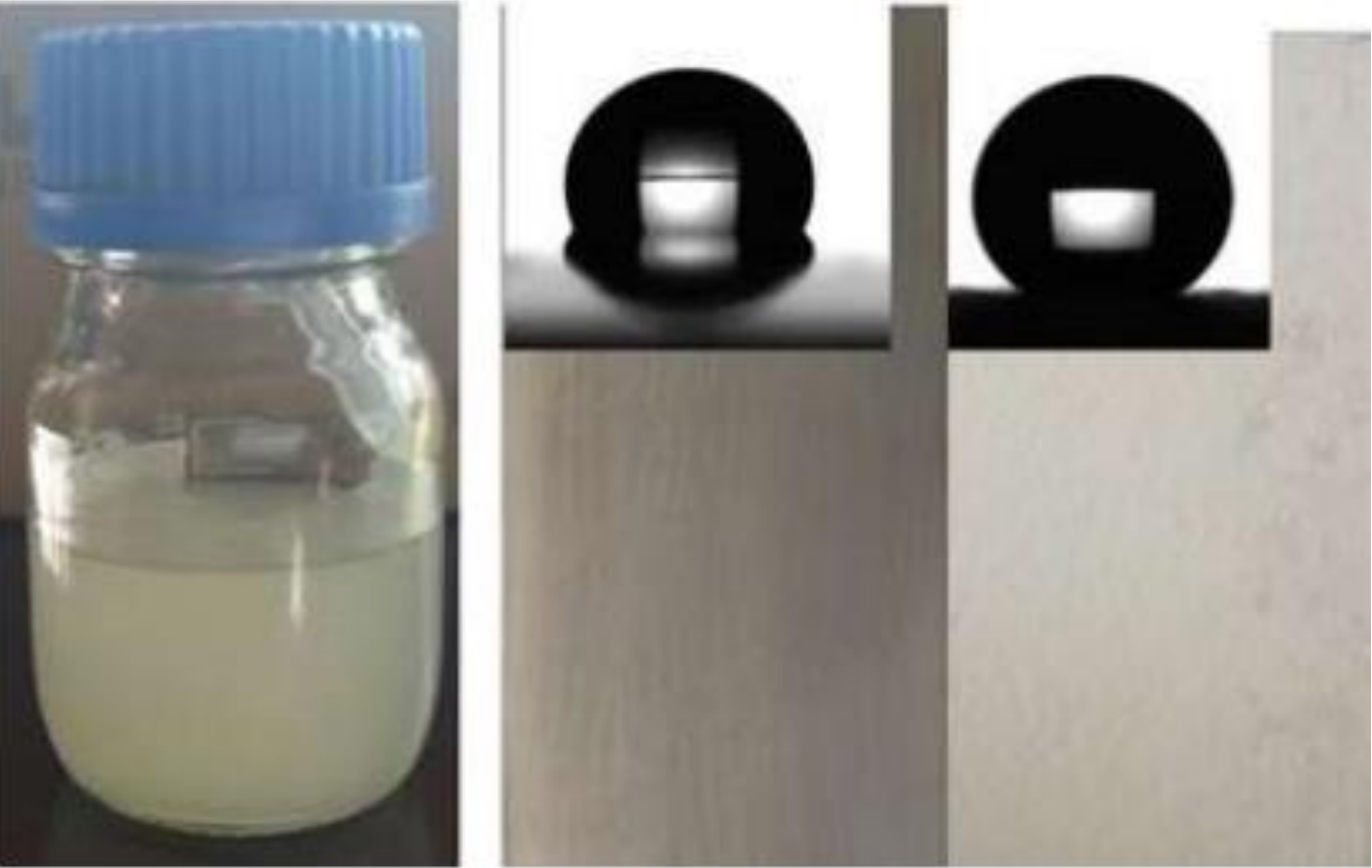
 润滑剂
润滑剂
 润滑油添加剂
 自润滑材料
自润滑材料
 密封材料
密封材料
 新兴材料
新兴材料
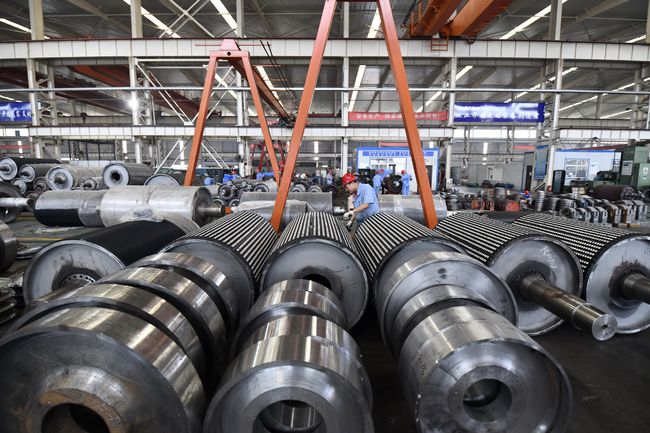 加工设备
加工设备
 摩擦试验机
摩擦试验机
 大型表征仪器
 小型测试设备