Novel internal diameter HVOF (ID-HVOF) systems enable the targeted deposition of uniform coatings on challenging geometries, including the internal surfaces of components. By introducing an inert gas to the combustion fuels, these systems achieve warm spray ability, enabling solid and semisolid-state deposition of metal particles with minimized oxidation. As such, ID-HVOF systems show great promise as a complementary technique to cold spray deposition for restoration and repair applications in hard-to-reach areas of components. In this study, a hydrogen-fueled ID-HVOF spray system with nitrogen gas addition was used for the deposition of Inconel 625 (IN625) protective coatings. The effect of standoff distance (SOD), and spray configuration, on deposition properties was investigated. The process–microstructure–performance relationships were investigated, with emphasis on wear behavior and corrosion, and compared to benchmark cold-sprayed IN625 coatings. Wear tests were conducted at room temperature and at 300 °C using a ball-on-flat reciprocating sliding test, with Al2O3 spheres as counterparts under a normal load of 5 N. A detailed analysis of the worn surfaces and the counterparts was performed and associated with the friction response and wear mechanisms. Accelerated electrochemical corrosion testing was performed at room temperature in 0.61 M (3.5 wt.%) NaCl solution, and the resulting corrosion behavior was correlated with deposition parameters. Both ID-HVOF and CS coatings exhibited similarly low porosity levels, indicating dense microstructures. The ID-HVOF coatings showed microhardness values between 340 and 410 HV, higher than the bulk IN625 (~ 310 HV) and comparable mechanical performance across all configurations. The CS coating reached ~ 560 HV, attributed to severe plastic deformation and work hardening during solid-state deposition. At 300 °C, the ID-HVOF coatings displayed lower wear rates and more stable friction compared with CS and bulk IN625. Electrochemical tests in 3.5 wt.% NaCl revealed lower corrosion current densities and more stable corrosion potentials for ID-HVOF coatings, confirming their excellent corrosion resistance. These findings demonstrate that optimized ID-HVOF parameters can produce coatings with mechanical and functional properties comparable to CS, offering a viable approach for restoring internal components.
周老师: 13321314106
王老师: 17793132604


邮箱号码: lub@licp.cas.cn





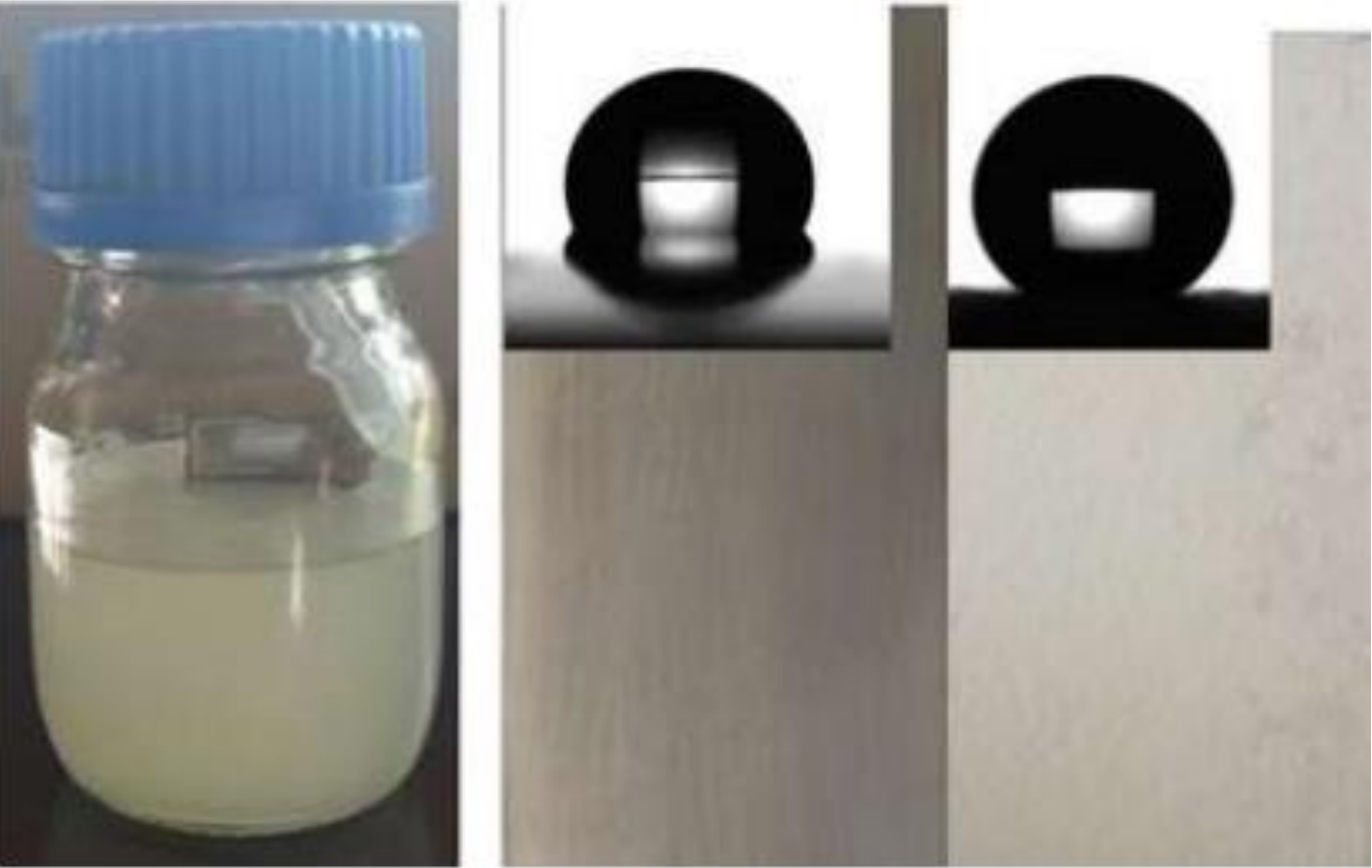
 润滑剂
润滑剂
 润滑油添加剂
 自润滑材料
自润滑材料
 密封材料
密封材料
 新兴材料
新兴材料
 加工设备
加工设备
 摩擦试验机
摩擦试验机
 大型表征仪器
 小型测试设备