Fe-based composite coatings with varying B4C contents were fabricated on Cr12 mold steel by laser cladding technology. A systematic analysis was conducted to characterize the coatings’ phase composition, microstructure, microhardness, fracture toughness, and tribological properties. The results show that an appropriate addition of B4C can refine the microstructure and facilitated the precipitation of hard phases such as Fe2B, Cr7C3 and Cr2B. However, excessive B4C led to microstructural coarsening and pronounced carbide segregation. These defects ultimately resulted in the deterioration of both mechanical strength and wear resistance. When the B4C content was 8 wt.%, the cladded layer exhibited optimal comprehensive performance, with an average microhardness of 1009.8 HV0.3, approximately 1.35 times that of the substrate, and a fracture toughness of 2.05 MPa·m1/2. Friction and wear experiments demonstrated that the Fe-based composite coatings exhibited substantially reduced wear volumes compared to the substrate when subjected to varying loads, indicating their superior resistance to abrasive damage. Notably, the composite coating with 8 wt.% B4C demonstrated superior wear resistance among all tested samples. Detailed wear mechanism investigations revealed that the degradation process resulted from a combined effect of adhesive, oxidative, and abrasive interactions. The predominant wear mode exhibited dynamic transitions dependent on both the B4C concentration and the magnitude of the applied load.
周老师: 13321314106
王老师: 17793132604


邮箱号码: lub@licp.cas.cn





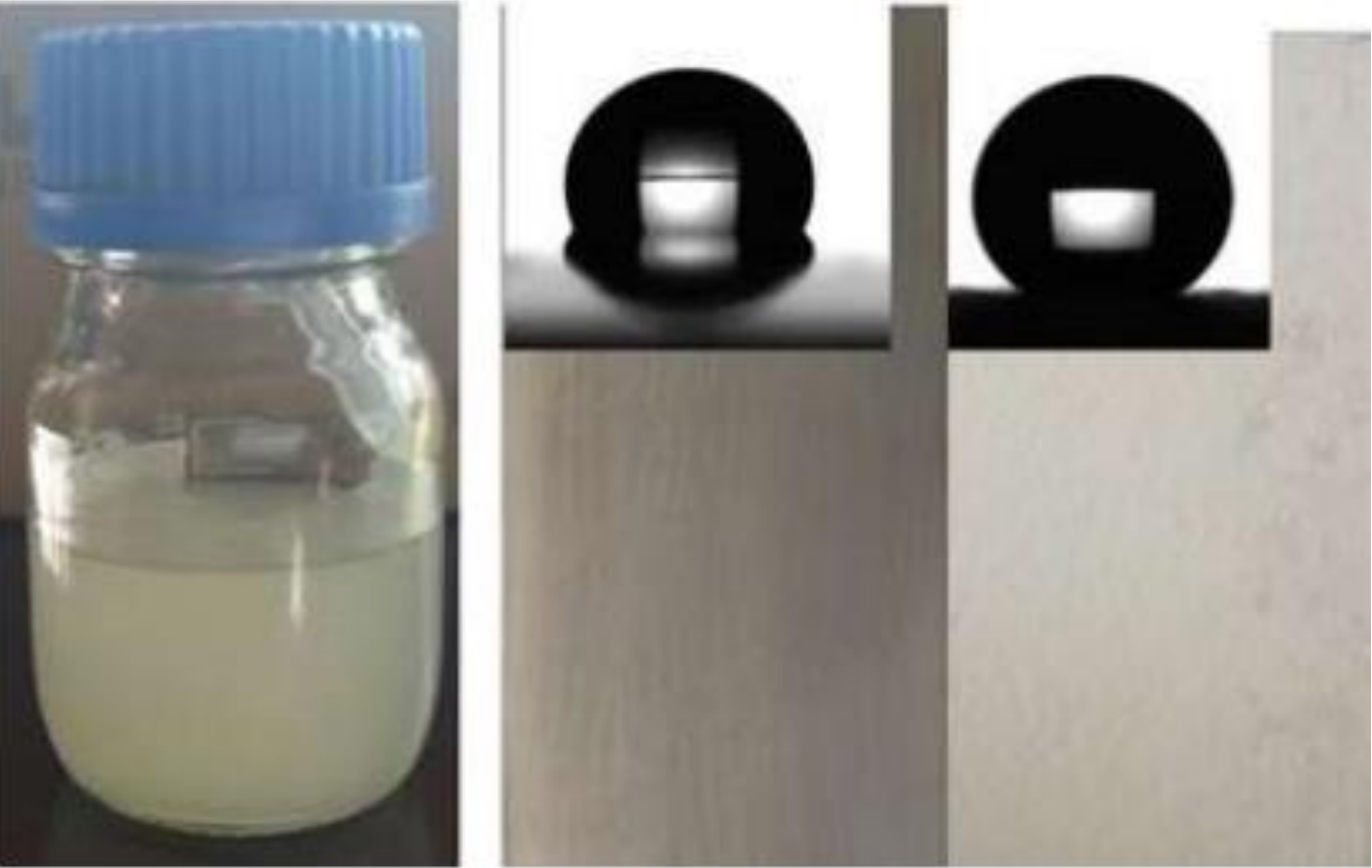
 润滑剂
润滑剂
 润滑油添加剂
 自润滑材料
自润滑材料
 密封材料
密封材料
 新兴材料
新兴材料
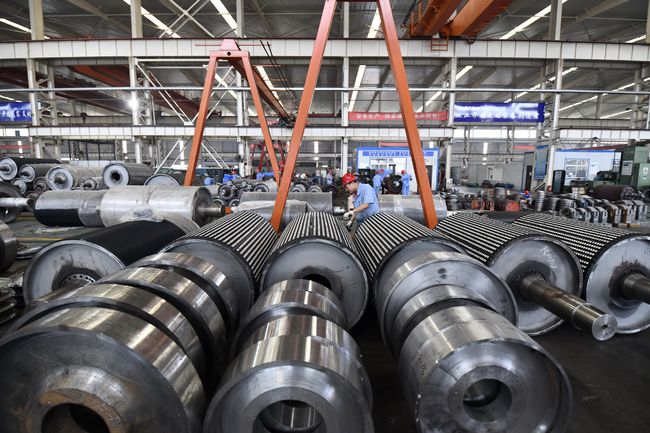 加工设备
加工设备
 摩擦试验机
摩擦试验机
 大型表征仪器
 小型测试设备