To enable in situ, machining-compatible surface modification, sub-nanosecond laser irradiation in polyalphaolefin (PAO) oil was used to directly form amorphous Fe–C layers on medium-carbon steel. In this study, the structural and tribological characteristics associated with the resulting low-friction behavior are investigated. Laser irradiation in oil enables simultaneous carbon incorporation and liquid-confined ultra-fast quenching, producing a fully amorphous Fe–C-rich layer (~ 150–200 nm). Ball-on-disk tests show sustained low friction (μ ≈ 0.10–0.12) only under sufficiently developed irradiation within an intermediate pulse energy range around 500–650 μJ; lower energies yield fragile/discontinuous layers, whereas excessive energy (1000 μJ) promotes crystallization as the solidification path approaches the TTT nose. AFM lateral-force measurements reveal progressive microscale friction reduction upon repeated sliding, accompanied by indentation evidence of softening limited to the topmost ~ 5 nm. Raman spectroscopy and cross-sectional transmission electron microscopy further demonstrate friction-induced partial structural ordering and carbon enrichment within a thin surface zone (~ 5–10 nm), while the underlying layer remains fully amorphous. These results suggest that the observed low-friction behavior is closely associated with a hierarchical structure combining a load-bearing amorphous Fe–C base layer with a dynamically formed, shear-facilitating surface tribo-layer.
周老师: 13321314106
王老师: 17793132604


邮箱号码: lub@licp.cas.cn




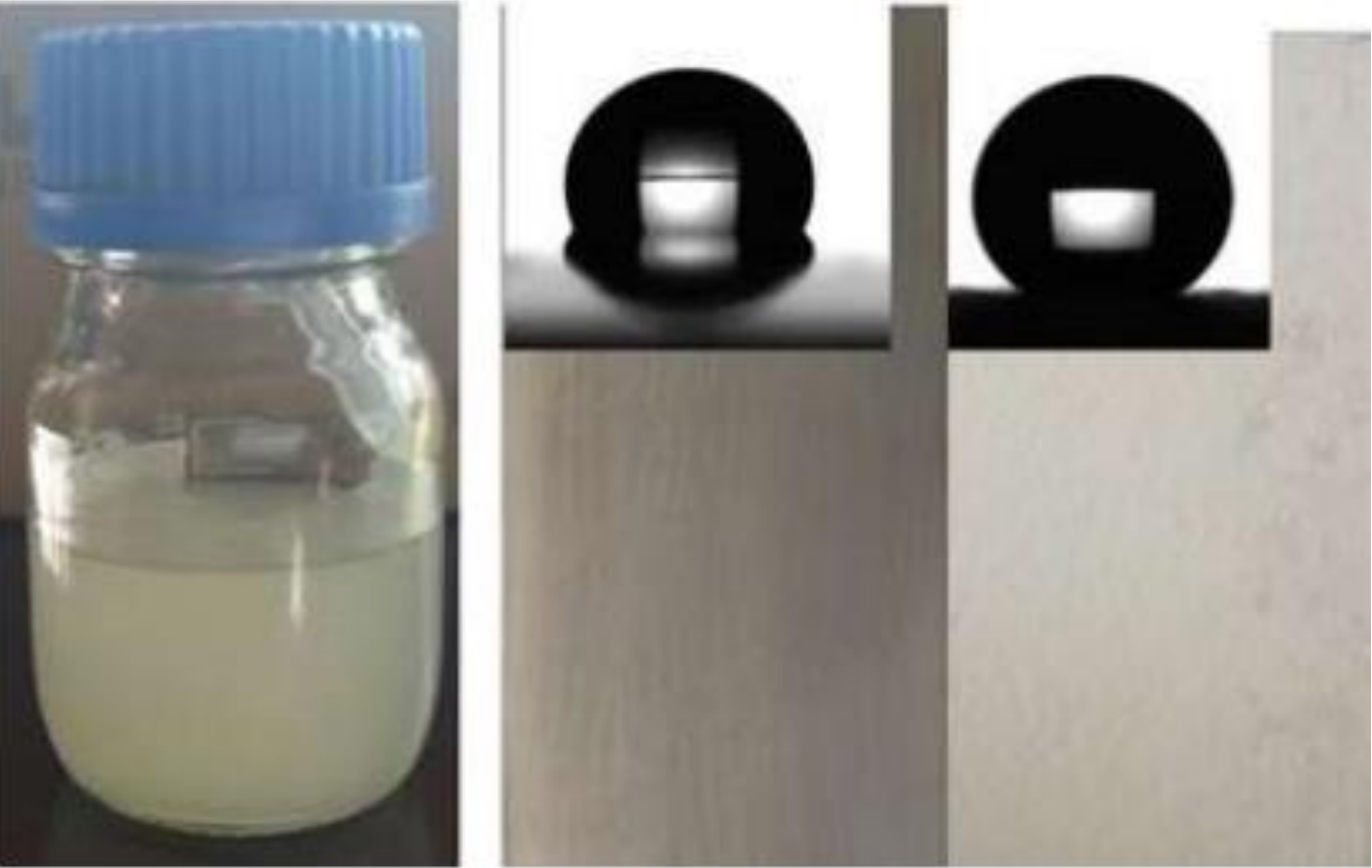
 润滑剂
润滑剂
 润滑油添加剂
 自润滑材料
自润滑材料
 密封材料
密封材料
 新兴材料
新兴材料
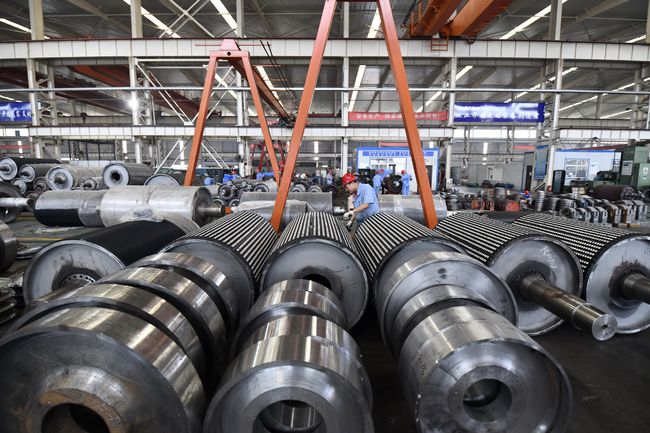 加工设备
加工设备
 摩擦试验机
摩擦试验机
 大型表征仪器
 小型测试设备