The dynamic stability of high-speed rotor systems is highly dependent on the interaction between bearing geometry and lubricant rheology. The present work examines the stability of hydrodynamic journal bearings with four different axial configurations: conical (wedge), concave, convex, and wavy, lubricated with TiO₂ nanofluids. The integration of a modified Krieger-Dougherty viscosity model that takes into consideration packing fractions and nanoparticle aggregation, extending beyond conventional static volume-fraction assumptions, is an important advance of this work. The governing Reynolds-like equation is expressed in curvilinear coordinates and numerically solved to determine the transition between stable and unstable vibrations. The results show that nanoparticle aggregate size and packing percent strongly influence the critical stability number, with larger aggregation generally improving the stable working range. The stability limitations are studied using a numerical simulation of the journal’s vibration behavior. Vibration data is collected to create a stability map, which represents the transition between stable and unstable vibrations as a function of eccentricity ratio and stability number. It is found that concave and wedge geometries outperform the other shapes investigated; but the concave geometry is recommended to attain the highest critical stability number for a given eccentricity ratio.
周老师: 13321314106
王老师: 17793132604


邮箱号码: lub@licp.cas.cn





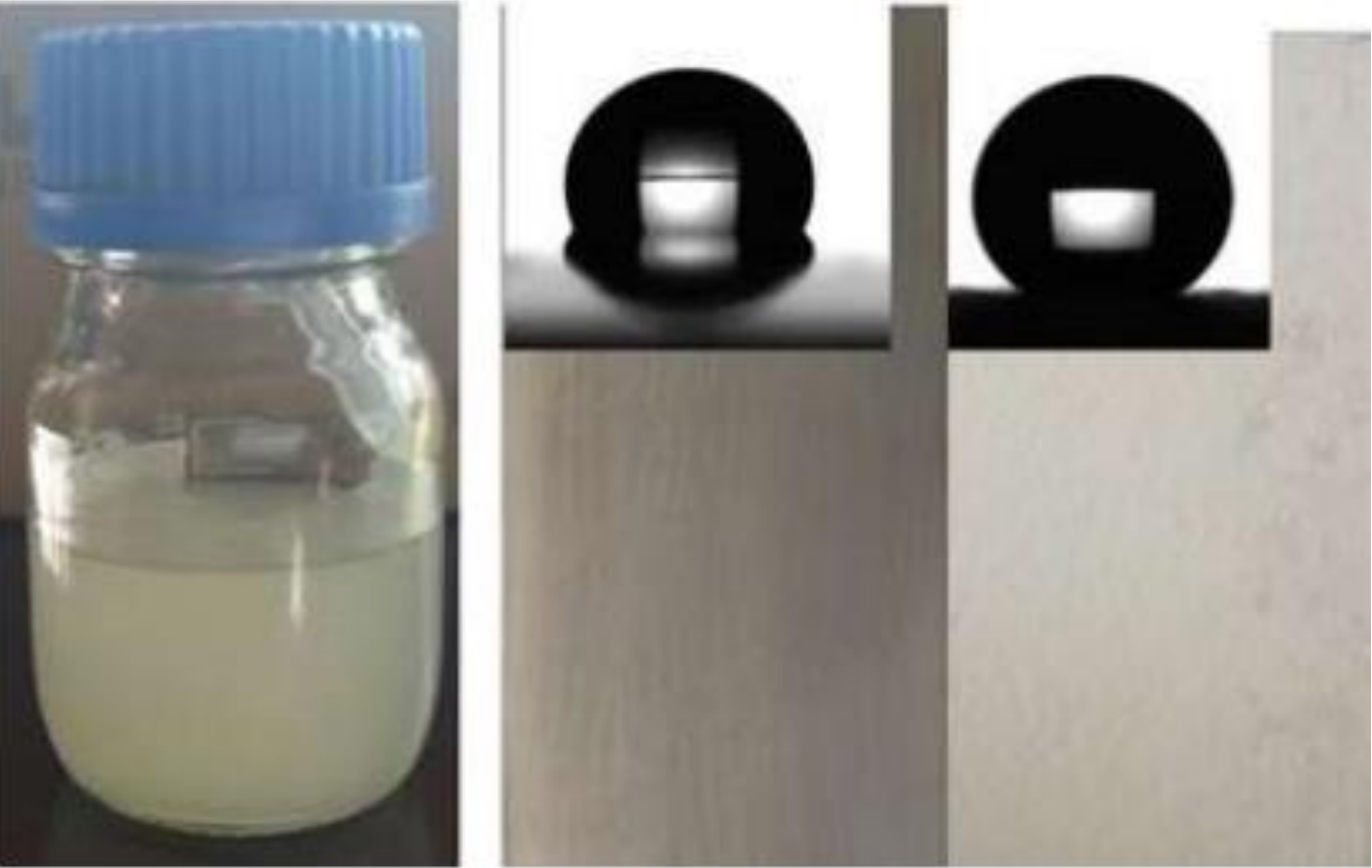
 润滑剂
润滑剂
 润滑油添加剂
 自润滑材料
自润滑材料
 密封材料
密封材料
 新兴材料
新兴材料
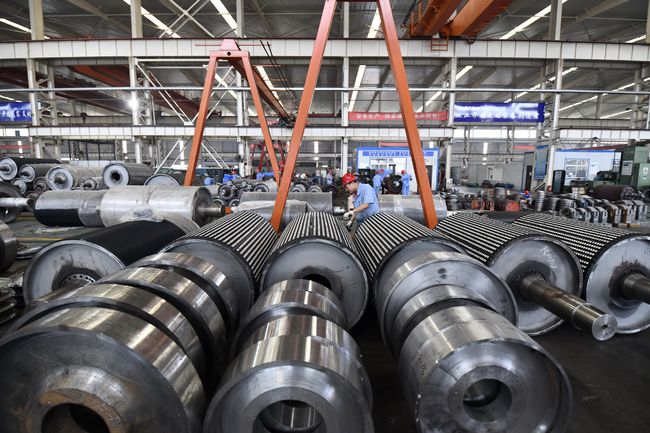 加工设备
加工设备
 摩擦试验机
摩擦试验机
 大型表征仪器
 小型测试设备